The term operational security (OPSEC) is an essential practice that helps organisations, military agencies, governments, and individuals to protect sensitive information from getting into the wrong hands. It plays a crucial role in defending & removing major security breaches that occur because of simple human errors.
These operational negligence have contributed to some of the past enormous cyber attacks, business compromises, and intelligence failures. So, learning from these lessons of the past can serve as a valuable resource for anyone who is responsible for protecting valuable and essential cyber operations.
In this article, we’ll discuss real-world OPSEC failures. You’ll learn why operational security is important and explore real-life incidents that show what can happen when good security practices are ignored.
Top OPSEC Examples: Quick List
- The Strava Heat Map Incident: This happened when a fitness data tracker unknowingly revealed data about military personnel.
- The Ashley Madison Data Breach: This exposed the personal information of millions of users. Again, it happened because customers’ sensitive information was poorly protected.
- Edward Snowden’s NSA Document Leak: An insider disclosed confidential intelligence documents.
- The SolarWinds Supply Chain Attack: Attackers compromised software updates. This allowed the circulation of malware to thousands of organizations.
- The Pentagon’s Social Media Mistakes: Military personnel shared photos that unintentionally exposed operational details.
- The Zoom Meeting Security Issues: Virtual meetings where the organization did not configure security settings properly. This allowed unauthorized participants to join.
- Celebrity Flight Tracking Using Public Data: Cybercriminals used publicly available flight information to track the travel plans and business trips of high-profile individuals.
- Password Reuse Across Corporate Systems: Employees used the same password across different accounts. This gave hackers access to multiple business accounts.
What is Operational Security (OPSEC)?

Operational security(OPSEC) is a risk management process that helps organisations in identifying, protecting, and controlling their sensitive information that enemies of such organisations can leverage to carry out their attacks once in their possession.
The U.S. military originally developed it, and it later became essential for government agencies, businesses, cybersecurity teams, and critical infrastructure operators.
Unlike traditional security strategies, its focus is mainly on the defense of networks and systems. OPSEC means information protection that could disclose an organisation’s plans, weaknesses, capabilities, and daily operations.
Cyberattackers often rely on available information or human mistakes to build a complete picture of potential targets, and the public information they gather becomes a valuable asset. Attackers also don’t always rely on publicly accessible websites. Some use dark web websites and forums to exchange information, communicate anonymously, and discover data exposed in previous breaches.
By deploying operational security, organizations can limit unnecessary exposure of their systems, and this action can help to significantly reduce the risks of cyber invasion, fraud, espionage and any form of operational hitches.
Below are examples of sensitive operational information they protect:
- Network architecture.
- Employee schedules.
- Internal communications.
- Project timelines.
- Login credentials.
- Security policies.
- Customer information.
- Physical access procedures.
Often most information that appears not harmful on its own can snowball into a dangerous security risk that attackers combine with other data available on public domain to execute their nefarious activities usually via an open- source intelligence (OSINT).
The Five-Step OPSEC Process

Cybersecurity experts rate an operational security program as successful based on various factors. It can identify sensitive information, assess security threats, and reduce risks before intruders gain access.
These five steps help organisations of any size protect their vital assets. Below are the steps:
1. Identify Critical Information
You can start the first approach by determining the information that is more sensitive and valuable. This information may include: login credentials, customer records, financial data, business strategies, network configurations, and any future project plans.
Organisations should classify information by its importance and the potential damage caused by exposure. Identifying critical information helps security teams prioritize the protection of essential assets.
2. Analyze Threats
Ransomware groups are a good example of why this matters. Understanding how major ransomware operators work can help organizations recognize common tactics and strengthen their defenses. The threat landscape also includes criminal forums that facilitate ransomware activity, such as BreachForums’ partnership with The Gentlemen ransomware group, which highlights how attackers can use underground communities to expand their operations.
The engagement of identifying critical assets and information is very important. Organizations must evaluate who may want to obtain it and the reason or purpose. Cybercriminals in any organization can include insider threats, competitors, hackers, and even state groups in the nation. Understanding why attackers target organisations, what they can do, and how they operate may help organisations prepare for possible attacks.
Some cybercriminals also turn to active darknet marketplaces to buy and sell stolen credentials, compromised accounts, and other illicit data. Understanding these underground markets can help security teams recognize where exposed information might end up.
Ransomware groups are a good example of why this matters. Understanding how major ransomware operators work can help organizations recognize common tactics and strengthen their defenses. You can also learn more about the top 10 most notorious ransomware groups and the threats they have posed.
3. Assess Vulnerabilities
The next step is to identify any weakness that may allow sensitive information to enter into the wrong hands.
Attackers take advantage of the loopholes. These include outdated software, weak passwords, insecure communication channels, poor employee awareness, physical security gaps, and weak access controls.
Regular assessments and audits help identify and fix weaknesses before an attack occurs.
4. Evaluate Risks
After identifying loopholes, organizations should also assess whether there is any chance of exploitation and the impact of such incidents on their business operations.
This risk evaluation helps the decision-makers in the organisation to make security their priority while securing investments. Focusing on the possible threat before the organisation is the greatest challenge to their finances, objectives, reputation, and regulatory compliance. And they must work to close up such gaps to avert any future damage.
5. Apply Countermeasures
Organisations should identify and implement security protection mechanisms. Doing so will remove any potential risk.
The countermeasures to apply include encryption of sensitive data, enforcing stronger access controls, training and retraining of employees on cybersecurity, continuous monitoring of their systems, regularly reviewing operational procedures, and establishing clear security policies.
8 Spectacular Operational Security Failures
Over the years across the internet space, history has shown that organisations with sophisticated security systems can also suffer major data breaches when they did not protect their operational security properly. Below are some examples:
1. The Strava Heat Map Incident
What Happened?
In 2018, Strava released a global heat map that revealed users’ exercise patterns, including activity in sensitive locations.
Strava fitness did not intend to cause harm with the data it exposed, but cybersecurity researchers made a discovery that the map revealed patrol routes and jogging inside military installations in countries like Iraq, Syria, and Afghanistan.
The public map unintentionally exposed locations that turned out to be military bases.
Why It was an OPSEC Failure
The incident became one of the most popular military OPSEC failures because it exposed the exact locations, military data, and sensitive operational information, though without any confidential documents.
Lesson from It
Location and military data can reveal vital intelligence, thereby operational awareness and privacy controls are necessary for safeguarding sensitive activities.
2. The Ashley Madison Data Breach
What Happened?
The Ashley Madison data incident led to the exposure of personal information of 36 million internet users across diverse organisations. Attackers gain access into the company’s systems and stolen data are published online on public space.
The data leaks include; account details, names, email addresses, payment details, military personnel became victims even politicians and business executives. This Madison data breach became widespread concerns regarding privacy, also brought legal consequences and reputational damage for companies.
Why It was an OPSEC Failure
The breach became one of the core OPSEC failures examples because internal security controls were weak and protection of the sensitive customer data was inadequate & that brought about a large-scale impact of the attacks.
Lesson
Several organisations should endeavour to encrypt their sensitive information, implement strong security controls, and collect only important data. These steps will help in reducing risk and the impact on its database.
3. Edward Snowden’s NSA Document Leak
What Happened?
The 2013 Edward Snowden disclosure involved a former NSA contractor copying and providing thousands of classified intelligence documents to journalists, leading to the public exposure of secret U.S. surveillance programs.
It was on record that the files he leaked revealed existing global surveillance programs and these leaks triggered debates globally regarding national security, government monitoring and privacy protection rights.
The data breach became one of the greatest intelligence disclosures in contemporary history, and the consequences affected both diplomatic and political circles.
Why it was an OPSEC Failure
The incident is also on the list of significant OPSEC failure examples because giving excessive privileges to users and less monitoring can allow a single insider to gain access and remove a large volume of confidential information without leaving any trace.
Lesson
Corporations should ensure they enforce the principle of reduction in privilege access, continuously monitor the activities of users and put in place insider threat detection to prevent unsafe access to sensitive information.
4. The SolarWinds Supply Chain Attack
What Happened?
Cybercriminals invaded the software development ecosystem and immediately installed suspicious code into legitimate software updates. These cybercriminal actions led to the compromise of the software updates & the company, which, without knowing, sent them to many customers, Fortune 500 companies & government agencies.
Why it was an OPSEC Failure
This cyber incident highlights the necessity of OPSEC cybersecurity, as attacks always leverage weaknesses in the software development process and updates that many people trust to compromise many organisations via a single supply chain.
Preventive Measures
Organisations should endeavour to secure software development environments and promote rigid access controls, continuously monitor systems built up, conduct regular audits of software supply chains, and implement code verification all in the bid to minimise risks of similar incidents from happening in the near future.
5. The Pentagon’s Social Media Mistakes
What Happened?
This incident stemmed from some careless actions by military personnel who, on several occasions, shared updates and photos on social media & unknowingly exposed sensitive operational mechanisms.
While the posts weren’t intended to reveal confidential information, elements surrounding the background, such as military maps, equipment, troop locations, computer screens, and facility layouts, served as valuable intelligence to attackers.
Cybersecurity researchers and analysts highlight how bad actors could gather these seemingly harmless exposures together to uncover essential operational details.
Why it was an OPSEC Failure
These incidents are among notable Military OPSEC failures, as the content the people shared in the public domain helped enemies to collect vital intelligence via open source intelligence (OSINT) techniques without carrying out any attacks on systems that seem very secure.
Lesson
It’s important that organisations make provision for regular OPSEC awareness, training their employees that every photo, social media post, or videos on public domain can serve as a potential tool in exposing sensitive operational information.
6. The Zoom Meeting Security Issues During the Pandemic
What Happened?
Zoom meetings became popular during the COVID-19 pandemic, resulting in a paradigm shift into remote work that made many organisations adopt virtual meeting platforms without the implementation of adequate security measures to checkmate cyberattacks.
In several cases, companies distributed invitations, links, and meeting IDs at public meetings, and they didn’t put any protective measures in place. As a result of a lack of protection of passwords, unauthorized individuals gained access to covert discussions, a practice called “zoombombing”.
These incidents of intruders disrupted business meetings, education, and exposed government information.
Why it was an OPSEC Failure
This incident became a notable failure because accessing meeting links publicly and unsecured virtual sessions allows unauthorized users to access operational information that is confidential.
What to do
Before organizations initiate virtual meetings, they should take proactive actions to protect users’ passwords by enabling waiting rooms where participants’ authentication can be verified.
Also, they should restrict screen sharing & in the background, ensure they carefully control how they distribute meeting invitations to potential attendees.
7. Celebrity Flight Tracking Using Public Data
What Happened?
Journalists, researchers, and aviation enthusiasts had leveraged public aircraft tracking services to get the movement of celebrities, corporate executives, and high-profile individuals by using legally available flight data.
Although airline information is always made public, these journalists also track private aircraft, and this exposed confidential meetings, business negotiations, acquisition talks, and travel schedules before official announcement.
Why it was an OPSEC Failure
This case highlights how publicity of travelling data can expose sensitive business activities and the operational vulnerabilities of individuals to attackers without them needing to hack their systems.
Lesson
Executives and hierarchies in organisations should always assess the damages which public information regarding their travel records and location data could cause to their strategic planning & take necessary actions to checkmate it.
8. Password Reuse Across Corporate Systems
What Happened?
Uncountable organisations have encountered breaches in their security architecture because employees use the same passwords across many personal and business accounts. Once attackers access employee credentials from one compromised site or network, they use that information in accessing the organisation’s corporate system.
In most cases, this breach gives unauthorized access to internal applications, cloud platforms, emails, and other confidential business resources without relying on technical glitches. Stolen login credentials can also end up on the dark web, where other criminals may find and misuse them.
Why it was an OPSEC Failure
Because poor management of an organisation’s credentials and employee reuse of passwords on several platforms allows attackers to compromise multiple systems by deploying the same information they obtained from a single data breach.
Lesson
Large organizations should always insist on unique passwords from every employee, enforce the activation of multi-factor authentication(MFA) & carry out regular close monitoring for any form of compromise in order to reduce risks that are associated with unauthorized access.
Common Causes of OPSEC Failures
Getting a familiarity of common causes of these incidents will help organizations in identifying early risk and implement effective security techniques before the information becomes public.
Below are the causes why these happen:
1. Human Error
Most of the operational security failures organizations record are as a result of human errors, and such errors include revealing confidential information through conversations, calls, emails & social media posts.
Though it may appear harmless, the details can provide hackers with vital intelligence. And they will combine the information with other information they garner from the public accounts of such individuals.
2. Poor Access Controls
Excessive access privileges may increase the risk of exposure of secret information. On this premise, employees should only have access to systems and data that are in line with their job description.
Application of the practice of restricting access will help the organisation minimize the impact of both insider threat and accounts that are already compromised.
3. Weak Authentication
Weak passwords and re-used passwords make it easy for hackers to gain access to employees’ accounts. Users can avoid these activities by enabling two-factor authentication, strong passwords, and deploying password managers will also help to improve the security of the organization.
4. Lack of Security Awareness
Employees’ ignorance of phishing emails, data handling procedures, and social engineering tactics will cost the organisation more harm.
The need for regular cybersecurity awareness training will help to reduce enormous risk in the organisation.
5. Oversharing Online
Excessive sharing of photos, data location, videos, and social media updates most times reveals sensitive operational information without you knowing.
Organisations should endeavour to establish vivid & concise policies that help employees to know the information that is safe to share publicly.
Best Practices to Strengthen Operational Security
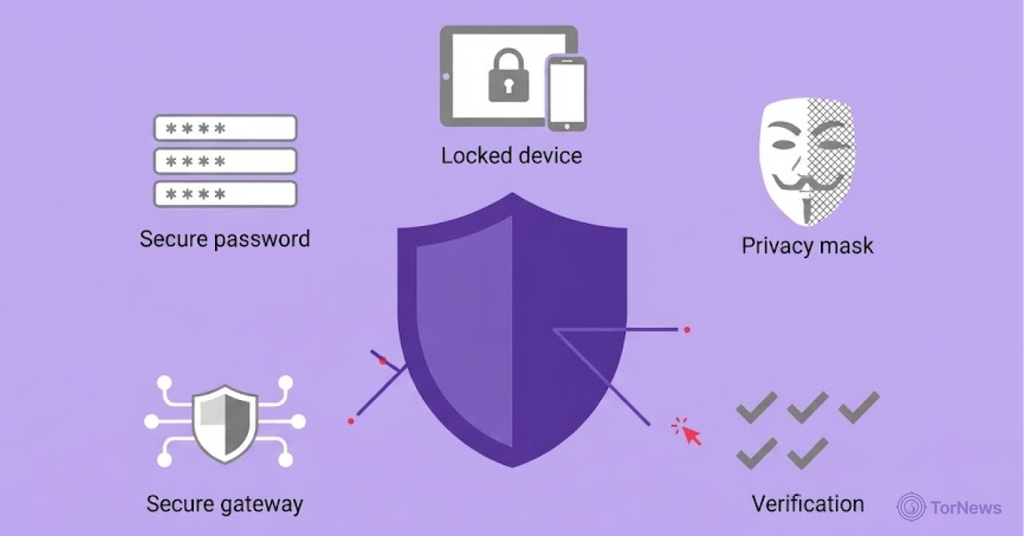
The implementation of effective OPSEC cybersecurity practices has helped many organisations in reducing operational risk, protecting sensitive information and reducing the likelihood of costly security attacks. For people who want to apply these principles in more detail, our dark web OPSEC guide covers practical steps for protecting identity, accounts, and sensitive information while operating in higher-risk online environments.
The following best practices will form a solid foundation for strong operational security program:
Classify Sensitive Information
Identifying critical assets such as customer records, internal memos and financial data ensures these sensitive materials receive the level of protection that is appropriate and shut out any unauthorized access.
Apply Least Privilege
Putting up a restriction on unnecessary access helps to reduce the risk of insider threats & limit excess damage in the event of account compromise.
Conduct Regular Security Training
The organisation should create a platform where employees should always undergo training on how to recognise phishing attacks and OSINT techniques. Well trained personnels are less likely to make the costly mistake of exposing their confidential details to anyone.
Enable Multi-factor Authentication
All accounts must be protected with multi-factor authentication (MFA). Taking this action will add an extra verification layout that will also help in reducing the chances of unauthorized access to the organisation even when there is an incident of stolen passwords.
Monitor Insider Activity
Continuous monitoring of some behavioural activities such as logging in, will also help in detecting any suspicious activity such as multiple unauthorised attempts.
Secure Communications
Securing all messaging platforms and file sharing services by encrypting also protects employees information while transmitting data between customers and partners.
Limit Public Information
Unnecessary exposing of employee details, travel schedules, location of the office, is not good. Attackers can exploit this intelligence to carry out their nefarious activity against the organisation.
Perform Regular Risk Assessments
This is the act of reviewing operational processes over and again to ascertain emerging threats and update security controls within the organisation in order to protect the systems against evolving potential attacks.
OPSEC Violation Punishment
Employees having a good understanding regarding the OPSEC violation punishment is crucial to whosoever is responsible for handling critical information in an organisation.
The penalties for violating operational security policies vary depending on how severe the incident that took place damaged the system. Disciplinary actions may include termination of employment, suspension, loss of security clearance, financial liability & criminal prosecution in cases that seem highly damaging.
In government and military settings, such OSPEC violations can attract serious legal consequences.
Conclusion
Operational security is far beyond protecting vital information architecture or building up defense against cyber incidents. It involves taking cognisance of how little pieces of information that seem harmless can be used in exposing valuable operational details to the detriment of the organisation.
These OSPEC examples above demonstrate how incidents like social media posts, GPS tracking, weak password practices, & insider actions show that human errors often create room for hackers to exploit.
Organisations should make operational security their utmost priority by putting up mechanisms such as protecting their sensitive data, responding effectively to evolving threats and reducing any form of risk.
FAQs
Simply said, it means operational security, or OPSEC. It is the act of identifying & protecting sensitive information that enemies of an organisation can exploit to attack an institution. It also helps organizations in reducing the risk of cyberattacks, accidental information leaks, espionage, and insider threat.
The crucial five steps of OPSEC cybersecurity include: evaluating risk, analyzing potential threats, assessing vulnerabilities plus implementing countermeasures. The above-listed steps will help organisations to proactively safeguard vital information and, in the same vein, strengthen their overall security architecture.
Military OPSEC failures usually occur when personnel expose sensitive information through GPS-enabled devices, social media posts, insider actions, or unsafe communications. Even some details that seem harmless can provide enemies with valuable intelligence, coupled with other available information in the public space.
Some common OPSEC failure examples in organizations include: oversharing on social media, poor employee security awareness, and failure to protect sensitive information with strong encryption. Excessive granting of user privileges to access very important information is among them.