-
More than 15,000 U.S. residents recruited: Oleg Korniev admitted helping lead Your Mule Cashout (YMCO), an international operation that moved money stolen by cybercriminals.
-
At least $7 million laundered: Korniev admitted laundering at least $7 million. He also acknowledged more than $14.7 million in actual and intended losses to confirmed victims.
-
Up to 50 years in prison: The 42-year-old Ukrainian-Russian dual citizen pleaded guilty to five federal offenses. A judge will decide his sentence later.
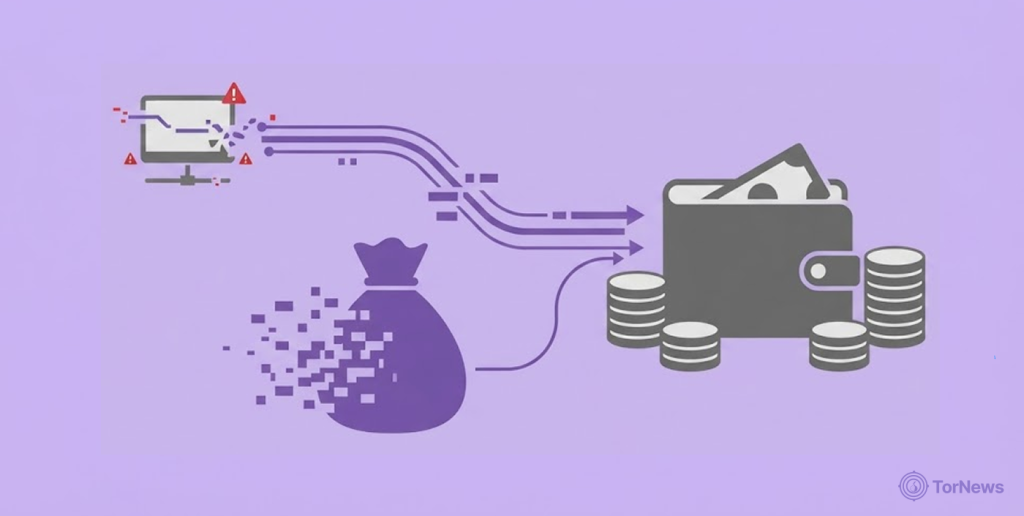
Oleg Korniev, who is a citizen of both Ukraine and Russia, has pleaded guilty to the role he played in an international money laundering scheme. The criminal network recruited over 15,000 people from the United States. It used the bank accounts belonging to the recruits to help cybercriminals to move stolen money overseas.
The US Department of Justice announced Oleg Korniev’s guilty plea on October 8, 2026. Prosecutors said the 42-year-old helped lead Your Mule Cashout (YMCO), a criminal organization that served hackers around the world.
Korniev admitted that the network caused more than $14.7 million in actual and intended losses to confirmed victims. He also admitted to laundering at least $7 million. He now faces a minimum prison term of two years and a maximum of 50 years.
How the Money Laundering Network Operated
According to the Justice Department’s announcement, YMCO built an online system that helped hackers move stolen money out of the United States. The organization relied on U.S. residents who believed they had signed up for legitimate jobs.
The operation used fake companies and spam emails to recruit people. Applicants went through what appeared to be a normal hiring process. They were told to receive business payments into their personal bank accounts and send the money to overseas partners.
However, these payments did not come from legitimate customers. Hackers had stolen the funds from bank accounts belonging to U.S. companies and other victims. Cybercriminals also use cryptocurrency in their demands following alleged data theft, as reported in hackers demand thousands in crypto for peek at alleged China data breach.
The recruited workers then helped move the money across borders. Their personal accounts gave criminals another layer between the stolen funds and the people who controlled them.
YMCO charged cybercriminals a percentage of the stolen money for its services. The funds moved mainly to countries in Eastern Europe, where other members of the organization helped collect the proceeds.
Prosecutors said the recruited workers never received payment for their services. As a result, people who thought they had found legitimate work became part of an international money laundering operation.
Korniev Helped Manage the Criminal Operation
Korniev was not simply a participant who transferred money. According to prosecutors, he helped run the organization and built processes that kept it running.
He was responsible for hiring and firing employees. Korniev also managed staff and rewarded or punished workers based on their performance. He also helped develop YMCO’s policies and procedures and secured illegal services for the organization.
His guilty plea covers five federal offenses: conspiracy to commit money laundering, money laundering, conspiracy to commit computer fraud, conspiracy to commit access device theft, and aggravated identity theft.
The Justice Department said YMCO recruited more than 15,000 money mules in the United States. The organization helped launder at least $10 million stolen by hackers from more than 750 U.S. bank accounts at over 35 banks, according to the case details.
Korniev admitted that he intended to launder more than $9.7 million received from cybercriminals. He confirmed that he personally laundered at least $7 million.
The case also includes a commitment to compensate victims. Korniev agreed to provide full restitution to known victims for their actual losses. He must also forfeit cash seized when authorities arrested him in Georgia.
Four Other Members Already Served Prison Terms
Korniev’s guilty plea follows earlier prosecutions of other people involved in YMCO. In December 2015, after Poland handed him over, U.S. authorities charged Ukrainian national Viktor Chostak in connection with an international money laundering scheme that started back in September 2007.
As explained by the Department of Justice in 2015, the group used fictitious companies and fake job openings to lure in the money mules.
A total of four individuals, who were part of YMCO, were arrested abroad and brought to the Western District of North Carolina. They all pleaded guilty to money laundering conspiracy. The court slapped them with sentences ranging from 37 to 63 months in prison. Also, each of the defendants must pay back over $9.1 million in restitution to their victims in the US.
Korniev’s case shows that investigators can continue pursuing alleged criminal leaders long after a network begins operating. The Justice Department acknowledged the role played by international collaboration, including help from Georgian police, in moving the case along.
Russ Ferguson, the U.S. attorney, asserted that the matter is proof that being outside the U.S. does not protect anybody who has committed fraud against the American public from prosecution. The FBI’s Charlotte division continues to investigate the operation.
Money Mule Jobs can Hide Serious Crimes
Money mule scams are still a major factor in online fraud. The fraudsters require mechanisms to transfer the proceeds from the crimes, and using the bank account of other persons could be one way.
In most cases, the fraudsters advertise online jobs that would give easy money after completing the job. They often promote the jobs using websites and professional recruiting methods.
At first, the red flags may not be obvious. Maybe the job just seems a little odd, or there’s some vague talk about “transferring funds.” A recruiter might ask a new employee to receive money, withdraw it, or send it abroad. The supposed job may require little experience and offer vague details about the company’s customers.
However, if you agree to receive and send money for strangers, you’re risking a lot. Investigators may freeze your bank accounts, you could encounter major financial losses, and even face criminal charges. Even people who say they didn’t realize they were helping a scam can end up facing tough questions from investigators.
Europol warned about this in its money mule guidance. They explain that criminals hide these schemes behind normal-looking online job postings and social media ads. Some people know exactly what they’re getting into; others simply joined believing the offers are legit.
For those looking for employment, stick to a simple rule: never let an unknown employer use your personal bank account to move money. Double-check any company on your own, and walk away from any job that asks you to forward payments. It’s just not worth the risk.
Sentencing Remains Ahead
Korniev has admitted his role in a network that helped cybercriminals move millions of dollars across borders. However, he has not yet received his sentence.
A federal judge will determine the punishment after considering sentencing guidelines and other relevant factors. The statutory range cited by prosecutors is two to 50 years in prison.
The case also highlights the importance of targeting the people who make cybercrime profitable. Hackers may steal the money, but networks such as YMCO help turn those thefts into funds that criminals can access.
By recruiting thousands of people and routing stolen payments through their accounts, YMCO built a system that connected online theft to international money laundering. Korniev’s guilty plea brings another key figure in that system to justice.
