-
Jorge Figueira, a 60-year-old Venezuelan who lived in Miami, got 12 years in federal prison for money laundering.
-
Investigators traced more than $1 billion through crypto wallets, bank accounts, and companies linked to his network.
-
His lawyer disputes how prosecutors measured the case, and social media users ask what it says about bigger networks.
A Venezuelan man will spend 12 years in a United States federal prison for helping criminals hide their money. Jorge Figueira, 60, once lived in Miami. A judge sentenced him on November 3, 2026.
He had earlier pleaded guilty to conspiracy to commit money laundering. He also agreed to a $1 billion money judgment, according to the US Department of Justice (DOJ). A money judgment is a court order that sets an amount a person must pay.
The case has drawn wide attention because of the huge sums involved. Money laundering means hiding where illegal money came from. Cryptocurrency played a big part in moving that money between different money systems.
The US Attorney’s Office for the Eastern District of Virginia says Figueira gave laundering help to several illegal groups. Those groups included drug trafficking organisations.
Authorities say his network moved billions of dollars through regular bank accounts and crypto networks. Social media users and the defence team have since raised questions about the case. Their points appear later in this report.
How the Money Travelled Through Banks and Crypto
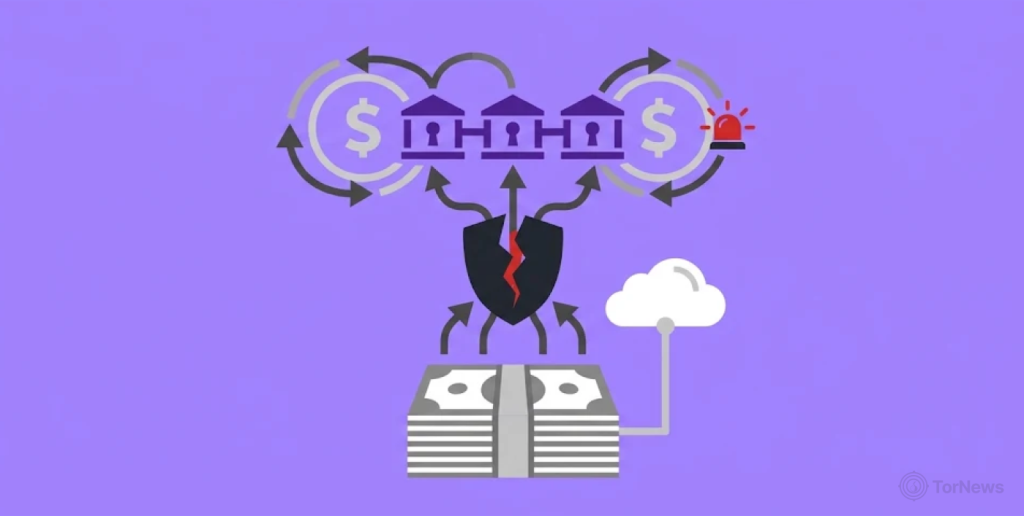
Court papers show Figueira’s network mixed normal banking with crypto exchanges, private digital wallets, and shell companies. A shell company is a business that mostly exists on paper.
A crypto exchange is a website where people buy and sell digital coins. A digital wallet is a place where people store their digital coins. The network used these tools to move money into and out of the United States.
The plan had several steps. First, the network changed the money into cryptocurrency. Next, it passed the coins through different digital wallets. Then it sent the coins to liquidity providers. These providers swapped the digital coins for US dollars. Liquidity providers are firms that swap one type of money for another.
After that, the dollars landed in bank accounts linked to Figueira. From there, the money reached the people it was meant for. Investigators say this long path hid the source and nature of the money from police. They also say the steps made the trail hard for law enforcement to follow.
More than $1 billion passed through one identified crypto wallet and several linked financial accounts. Most money coming in arrived from crypto trading platforms. Money going out reached businesses and people in the United States and other countries. Officials named Colombia, China, Panama, and Mexico among the places that received funds.
The investigation also showed how criminals can mix digital coins with normal banks and businesses. This mix helps them run complex money crimes that are hard to track. Cybercriminal activity also extends beyond financial systems. In a separate case, Russian hackers reportedly leaked UK military files on the dark web, prompting an investigation by the Ministry of Defense, as covered in our report on the UK military files leaked by Russian hackers.
Defence Team Disputes the Size of the Operation
Further reports say Figueira’s defence team challenged how prosecutors measured the operation. His lawyer, Arthur Louis Wallace III, laid out a very different picture. He said seven transactions run by the FBI added up to $330,000. He added that these deals earned about $9,823.63 in fees for Figueira’s companies.
The defence used those numbers to argue that the true scale looked smaller than prosecutors claimed. It also said his businesses were registered by law. According to the defence, the companies paid taxes and kept records of their deals.
Prosecutors disagreed. They pointed to shell companies, coded messages, and repeated transfers. Coded messages are notes that use secret words to hide their meaning. In their view, these signs showed that Figueira hid the money on purpose. The two sides therefore reached opposite views of the same transactions.
Social Media Users React to the Sentence
The case has also sparked talk on X. A user named @LuisCarlos wrote that a fairly unknown person got sentenced for laundering over $1 billion. The user then asked a bigger question. Could people with more power move even larger sums?
Another account, @cryptomediazone, focused on the crypto side of the story. It pointed out that more than $1 billion passed through one wallet and its linked accounts. It also noted that Tether faced no accusation of wrongdoing in this case. Tether is a type of digital coin. Each user raised a different point about the same case.
US District Judge Rossie D. Alston Jr. handed down the sentence. The US Attorney’s Office and the FBI Washington Field Office announced the case. The FBI is a federal police agency in the United States. Assistant US Attorneys Catherine Rosenberg and Edgardo Rodriguez handled the prosecution.
The DOJ release remains the main source for the sentence, the plea, and the $1 billion judgment. The case adds to growing worry about how criminals use crypto systems and normal banks. Reports say they use both to move illegal money across borders.
