-
A dark web seller says it holds personal data on about 79,000 HSBC wealth management customers in Taiwan.
-
The seller wants $5,700 for the files, which reportedly list names, phone numbers, birth dates, and account notes.
-
Nobody has verified the listing, and no proof shows the data came from HSBC’s own systems.
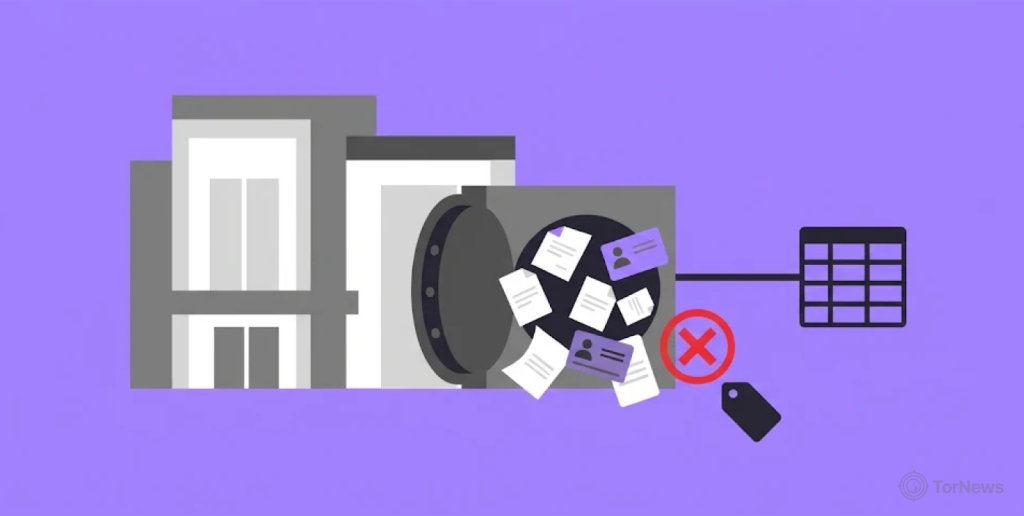
A threat actor on a dark web forum says it has customer data linked to HSBC Taiwan. The seller wants $5,700 for a database tied to about 79,000 wealth management customers.
The listing has raised fears about leaked personal details and targeted money scams. HSBC customers in Taiwan could face the biggest risk if the records are real.
Seller Lists Customer Details and Deposit Notes
The cybersecurity monitoring account Dark Web Intelligence (@DailyDarkWeb) brought the claim to public attention. The account shared details of the listing on X. The post describes the data as belonging to wealth management customers of HSBC in Taiwan.
The seller says the files cover about 79,000 of them. According to that post, the seller says the database holds customer names and email addresses. It also lists mobile phone numbers and partial home addresses. Dates of birth and gender details complete the list of personal fields.
The files reportedly hold more than basic contact details. The seller also claims they include internal account notes about special interest rates on time deposits and demand deposits. Criminals could find these notes very useful. The notes may show which customers have certain banking ties and which financial products they use.
The asking price needs careful reading. The $5,700 figure is a claim from the seller. It does not prove that anyone has bought the data. No public evidence shows that the records came from HSBC’s internal systems. No public evidence shows that the bank suffered a direct cyberattack either.
Records May Come From Marketing or Partner Systems
A close look at the fields in the seller’s post offers some clues. The data seems closer to customer relationship management, marketing, or product eligibility records. It looks less like the core systems that run the bank itself. Companies use customer relationship management files to track and talk to their customers. Marketing teams use similar files to choose which offers to send.
The notes about special deposit rates may point to customer grouping, product marketing, or wealth management services. Still, nobody has checked the records. The seller has only described the data in a post. Every detail above comes from the seller’s own words. The true purpose and source of the database stay unclear.
Other sources cannot be ruled out. A third-party service provider, a marketing agency, or a business partner with approved access to customer data could be the source. Another organisation with the same access could also be behind it. The seller may have described the data wrongly, or made it sound bigger than it is.
A separate dark web post has also made claims about HSBC customer data in the United States. However, HSBC denied the alleged US breach, as explained in our report on the HSBC USA breach claim and the bank’s response.
This difference matters a lot. A list of contact details does not mean account balances were taken. It also does not prove that passwords, transaction histories, or other login details were exposed. The information available today does not show any of these.
Scam Risks Grow While No Breach is Confirmed
If the records are real, customers could still face serious risks. Hackers do not need banking passwords to cause harm. Criminals often use personal details to make fake messages look real. With names, phone numbers, birth dates, and product details, scammers could pose as bank staff. They could then offer convincing investment or deposit deals.
For example, a fraudster could call a customer and mention a special deposit rate. The caller could also bring up an existing wealth management relationship. Such details could make an uninvited call, email, or text look like it came from a real bank. Scammers use every small detail to build trust. A caller who knows a birth date sounds more real. A message that names a deposit product sounds even more real. Customers should still check the sender first.
HSBC Taiwan already warns about these tricks on its security centre page. The bank says fraudsters pretend to be bank employees and consultants. It also warns about investment scams spread through text messages and social media. The bank tells customers to check messages through official channels. It also tells them not to send money because of unrequested investment offers.
Customers should stay careful with unexpected calls or messages that mention their banking ties, investment products, or deposits. They should never share passwords, one-time codes, or other login details with anyone. Customers can read the bank’s advice on its security page while they wait for news.
As of now, reports do not show that HSBC has confirmed a breach linked to this database. The number of affected customers remains unverified. The same goes for the sample’s authenticity, the original source of the records, and the way the data got out. Until new proof or an official statement appears, treat this as an unverified data sale claim. It is not a confirmed hack of HSBC’s Taiwan banking operations.
