-
Italian Foreign Minister Antonio Tajani says his personal data appeared on the dark web, exposing him and his family to threats.
-
Prime Minister Giorgia Meloni blamed pro-Russian hackers and linked the attack to Italy’s support for Ukraine.
-
The leak follows a wave of hybrid attacks across Europe, including bomb threats and infrastructure disruptions.
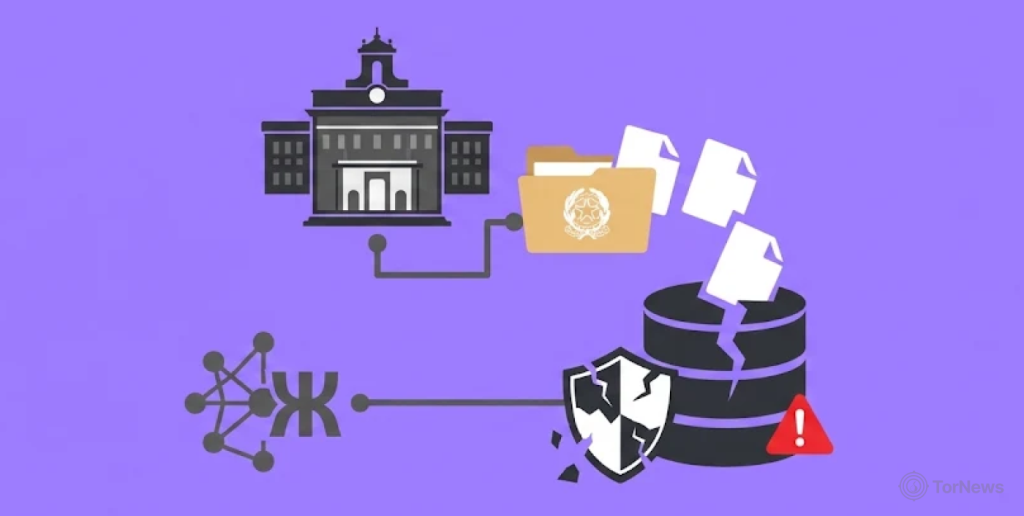
Italy’s Foreign Minister Antonio Tajani says his personal data has appeared on the dark web. He made this statement on November 7, 2026, using social media platforms. Giorgia Meloni, the prime minister of Italy, immediately accused Russian hackers of the attack.
Tajani says criminals have spread his information for days and are now seeking more details about him and his family. He believes the attack ties directly to the support of Italy for Ukraine. This incident occurs against the background of Europe facing a series of hoax bomb threats and other cyberattacks.
What Tajani Said About the Leak
Tajani posted a statement on X confirming the breach. According to Mr. Tajani, cybercriminals managed to publish his private data and even offered money in exchange for his personal data and his relatives. He characterized the situation as making him and his close ones potentially vulnerable to threats and intimidation.
The foreign minister did not specify what kind of data was shared – he also did not name the group behind the attack. However, he linked the incident to the political stance of Italy. He said defending the freedom of a sovereign state makes a country a target in the eyes of these criminal groups.
Tajani vowed not to be intimidated. He said he will continue working to defend his ministry and Italy. He recognized the need for increased cooperation with allies to fight the threats.
The leak has its own personal effect on the foreign minister. He is a figure who is traveling constantly & meeting a large number of people. Public data about his home, family, and routines creates real security risks. Italian officials have not said whether they increased Tajani’s protection detail after the leak.
The Response from Meloni and the Russia Link
Meloni issued a separate statement expressing solidarity with Tajani. She directly blamed pro-Russian hackers for the leak. She called the sale of confidential information about government officials a matter of grave concern that demands the utmost determination to address.
Notably, the Italian government has been supplying humanitarian and military aid to Ukraine since the Russian invasion. The prime minister Meloni has always been one of the most fervent supporters of Ukraine among Western leaders. This position likely explains why an Italian official has become a target.
Moscow has not made any statement on the allegations. Russia has always denied any involvement in cyberattacks against the countries of Europe.
According to Reuters, Tajani was on the list of 18 people named as being against the Russian Federation. The list also included cybersecurity experts. Security services found the material during dark web monitoring.
The Broader Pattern of Hybrid Attacks
The Tajani leak is not an isolated event. It follows a string of disruptive incidents across Europe. Hoax bomb threats have forced flight diversions and targeted broadcasters. Supermarket refrigeration systems have faced attacks. Drone incursions have also raised alarm.
Beyond Europe, governments are also increasingly using cyber capabilities in national security operations. For example, Canada has confirmed its first offensive cyber operation against the fentanyl supply chain, showing how cyber operations can also be used to pursue broader security objectives.
European officials suspect the Kremlin orchestrates many of these hybrid attacks. The goal appears to be sowing chaos and testing the defenses of Europe. The Tajani incident fits this pattern. A leaked data of a minister creates personal risk and signals that even senior officials are vulnerable.
Another aim of such attacks is to undermine popular confidence in the government. The constant disruptions make citizens wonder whether their governments can provide them with protection. The doubts of people serve the interests of Moscow without taking any further actions.
What Italy and Its Allies Should Do
Italy should review how much personal data it holds on senior officials. Reducing the amount of information that various ministries maintain will drop possible damages from exposures. Another measure that states must undertake is to provide training for the staff to recognize phishing emails and methods.
As for their allied states, they must share intelligence on threats quicker. The leak of information in one of the nations signals a possible operation against other nations. Thus, early alerts make it easier for the governments to protect their officials.
Lastly, citizens must watch out for messages that use leaked data and how criminals can exploit this leaked data to create believable messages. People should verify any unexpected request through official channels.
