-
India’s cybercrime agency I4C says an open WhatsApp Web session can expose private messages and contacts.
-
The agency asks users to log out manually after every session, especially on shared computers.
-
The warning names account impersonation, phishing, and financial fraud as the main dangers.
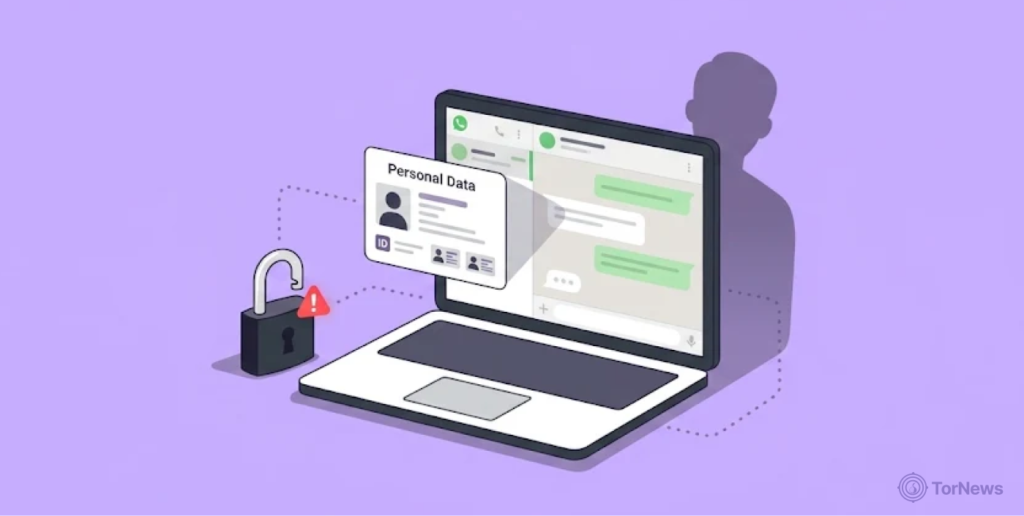
Indian cybercrime officials have warned WhatsApp users against sharing private information through WhatsApp Web. The warning mainly covers office computers, public systems, and any device that other people can use.
The Indian Cyber Crime Coordination Centre (I4C) released the advisory on November 18, 2026. Its National Cybercrime Threat Analytics Unit (NCTAU) issued the notice. The message is simple. A WhatsApp Web session that stays open can let the wrong person in.
The advisory names three main dangers: account impersonation, phishing, and financial fraud. Officials link all three to one habit. That habit is leaving WhatsApp Web signed in on computers that other people can reach.
I4C Issues Advisory on WhatsApp Web Risks
The advisory explains what can happen when someone reaches a signed-in WhatsApp Web session. That person can read private messages. They can also open contacts and group conversations. In addition, they can send messages while posing as the account owner.
According to the advisory, criminals could use this access for fraud, phishing, and social engineering attacks. Phishing means tricking people into handing over private details. Social engineering means fooling people into trusting a sender who is not who they claim to be.
The agency urged users not to share government, organisational, financial, or other sensitive details on computers through WhatsApp Web. That list covers official government details, company information, and money matters. Chats about these topics could end up in the wrong hands if a session stays open.
The warning drew attention from Indian media and government communication channels. India’s Ministry of Information and Broadcasting shared it through its official X account, @MIB_India. The ministry urged users to stay careful when they open WhatsApp Web on shared, office, and public computers.
Unattended Sessions Could Let Strangers Pose as Owners
WhatsApp Web lets people reach their accounts through a browser on a linked computer. The tool works well for the account owner. The same risk applies to any device that other people can use. The advisory names office computers and public systems first. However, an active session becomes a security risk when someone else gains access to the computer.
Take a shared office computer as an example. A worker finishes a task and walks away without signing out. The next person who sits down could find every conversation still open. A shared computer offers no protection once the owner leaves. The new user starts with the owner’s chats already on the screen.
That next person could read private discussions and examine group conversations. They could also send messages using the account owner’s identity. The messages would appear to come from the owner’s account. Contacts would see a familiar name on every one of them.
This opens the door to targeted scams. An attacker could pose as a colleague, a friend, or a relative. The fake sender could then ask for money or sensitive information. The request would go to people who trust the account holder.
The warning does not mean WhatsApp’s end-to-end encryption has been broken. According to WhatsApp, its personal messages stay protected by end-to-end encryption on linked devices. The company explains this on its FAQ page. The concern from I4C is different. It deals with unauthorized access to a session that is already signed in. In other words, the open session is the weak spot here, not the encryption.
The advisory also does not name a newly found weakness in WhatsApp software. It focuses on the risks of leaving an account open on computers that other people can use.
I4C Asks Users to Log Out by Hand After Each Session
The agency advised users not to keep WhatsApp Web logged in all the time. It stressed that closing a browser tab or window does not always end a signed-in session. A tab that looks closed may still leave the account open. Users should therefore log out manually before they leave a computer.
I4C also warned against using WhatsApp Web on cyber cafés, public kiosks, hotel business centres, and borrowed computers. The agency listed other untrusted systems in the same warning. Sometimes temporary access cannot be avoided. In that case, users should consider private or incognito browsing on a trusted computer. Even then, they still need to log out manually.
The agency also recommends regular updates for operating systems, browsers, and security software. Users should avoid suspicious downloads, unknown attachments, and cracked software. Cracked software means copies of paid programs that people use without paying.
Malware poses another risk to WhatsApp users, particularly those accessing their accounts through Windows devices. Microsoft has previously warned about a WhatsApp-related malware campaign targeting Windows users, highlighting the risks of malicious files and downloads.
Some users may notice unexpected messages sent from their own account. I4C says they should check the Linked Devices section in WhatsApp. This section lists the devices connected to the account. Users should disconnect any device they do not recognise. They should also warn affected contacts through another communication channel. Those contacts may have received messages that the owner never wrote.
Victims of online financial fraud in India can call 1930. They can also report incidents through the National Cyber Crime Reporting Portal. The advisory shares a key security lesson. Protecting an account involves more than a strong password or encryption. Users must also protect the devices and sessions they use to reach their accounts.
