-
Hackers used a flaw in GL.iNet’s GoodCloud platform to install malware on customer routers and KVM devices.
-
Researchers found suspicious activity on 152 of the 183 routers they checked, including 24 with root-level reverse shells.
-
GL.iNet fixed the cloud flaw, but already infected devices still need new security firmware.
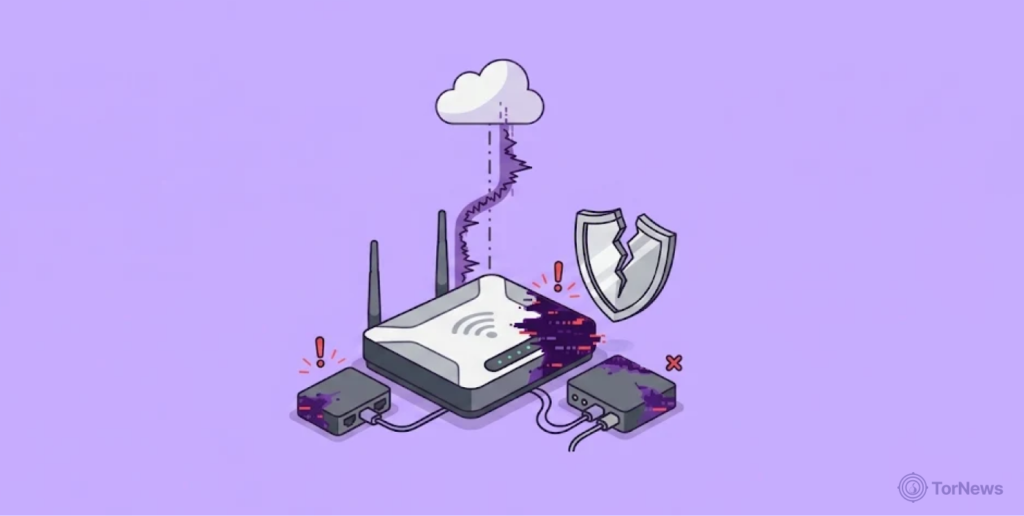
Hackers have broken into customer devices made by GL.iNet. They used a weakness in GoodCloud, the company’s remote management platform. The attackers planted malware on routers and KVM devices.
This gave them remote access through root-level reverse shells and lasting backdoors. A reverse shell lets an attacker send commands to a device from far away.
GL.iNet confirmed the attack in a security notice dated November 20, 2026. The company said an unauthorized party used a flaw in its cloud services. That party reached devices and installed harmful software. The company wrote the notice itself.
GL.iNet Confirms the Cloud Break-In and Starts Cleanup
GoodCloud lets people manage supported GL.iNet devices from another place. The KVM products offer even more control. They let users run connected computers and servers from far away.
The incident also highlights wider security concerns surrounding internet-connected network devices, which have increasingly become targets for state-backed threat actors. In a separate warning, the US and its allies said Russian hackers continue to target routers and edge devices.
GL.iNet says it has blocked the attack path and fixed the cloud flaw. However, this fix does not clean devices that already carry malware. Those devices still need action from their owners, and GL.iNet is still working on the case.
Many key facts are still missing. The company has not shared how many customers the attack hit. It has not explained how the attackers got in. It has not said whether they stole any information. GL.iNet is also checking computers that were linked to infected KVM devices. It wants to know whether those computers were harmed too.
Researchers Find Reverse Shells and Backdoors on Tested Routers
After the notice, security researchers and affected customers began sharing proof of infections. Reports say some hacked routers opened root-level reverse shells. These shells connected to a server run by the attackers at 170.39.226[.]219.
Researchers at RemoteToHome Consulting studied the attack on routers they owned or managed. Their first review covered 183 devices. They found suspicious activity on 152 of those routers. Twenty-four devices had root-level reverse shells. Forty-seven had older persistent backdoors. Eighty-one showed signs of commands supplied by the attackers. All of these counts come from the same group of 183 routers.
The researchers warned that these numbers come only from their own devices. The results may not match the wider group of victims. They also found that some older backdoor infections might not link to the November attacks.
The team spotted a possible command injection weakness in the GoodCloud client. According to the researchers, one part of the client takes values from the cloud. It then passes those values into shell commands that run with root privileges. It does this without proper checks. GL.iNet has not confirmed that attackers used this weakness.
A GL.iNet customer with the forum name @dja shared a separate case. A GL-RM1 KVM downloaded a suspicious script and executable files from 66.245.219[.]252. The owner also saw daily connections to about 1,800 residential IP addresses. The device made repeated requests to the TRON blockchain API as well. The purpose of this activity remains unclear, and no one has explained it yet.
Reports say the malicious script could install files named gl-helper and gb. It could create startup tasks and keep access after a device restarted. It could also swap the real netstat tool for a changed copy. That copy hides connections to the attacker’s server. The malware also supported SSH key installation and remote command running.
Some recovered files carried timestamps from December 2025. This suggests that certain devices might have been hacked months before the latest disclosure.
Customers Question Detection as GL.iNet Releases Security Firmware
The attack has left many customers unsure about how far the damage goes. On the company’s official forum, user @xize11 asked whether linking a router to GoodCloud alone exposed it. The user asked this even for routers with remote access turned off. The same user also worried that WireGuard server credentials might be exposed.
Another member, @Andrew1, asked for clearer steps to find infected devices. This user also asked whether people can safely restore configuration backups after a factory reset. Meanwhile, @elvisimprsntr suggested four steps. Isolate the affected KVM devices. Keep the logs. Reinstall the firmware without restoring old settings. Then check the connected computers.
GL.iNet first told users to look for a running process containing crond -i /tmp/.log. Researchers warned that this check might miss infections that use other backdoors and reverse shells. In its November 23 update, GL.iNet admitted that its basic checks might not find every hacked device. The company has since released stable security firmware for several router and KVM models.
The latest advisory tells affected users to install the correct security firmware for their own devices. Users should do this even when the first checks find nothing. GL.iNet also plans to email customers it identifies as affected.
Users should also check their connected computers. They should look for suspicious programs, accounts, startup tasks, and unusual network activity. The investigation is still ongoing, and the full impact of the attack remains unknown.
