-
Michael Machtinger, a top official of the FBI, warned about how AI has improved the pace and scale of cyber threats.
-
Each sector – academia, government, and private industry, needs to closely work together to combat new threats emerging from AI.
-
As attackers continue to use AI and other interconnected technologies against infrastructure networks, the challenges are becoming bigger.
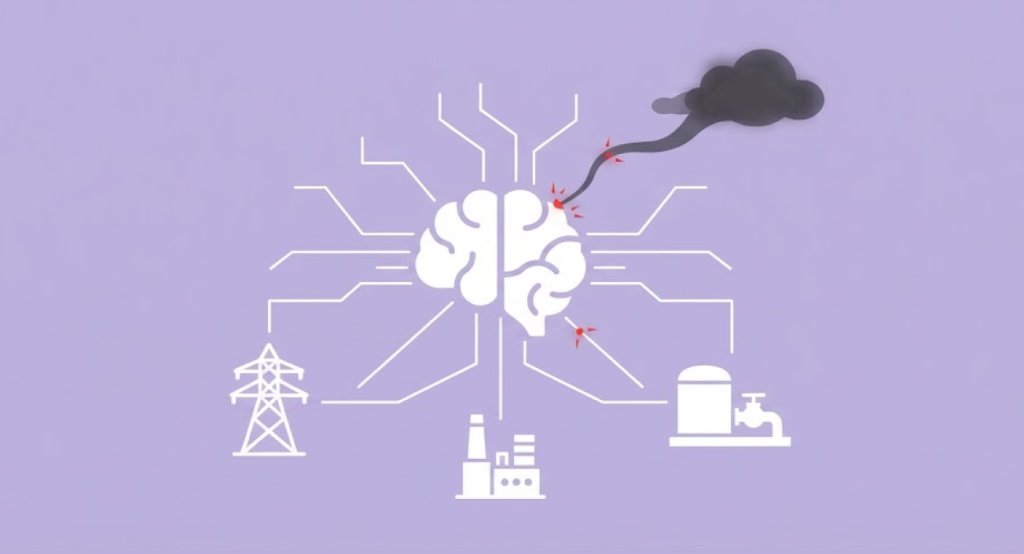
The FBI is warning that artificial intelligence is changing how cyber threats develop and spread. Deputy Assistant Director Michael Machtinger of the FBI Cyber Division discussed the shift at the AI-Edge Symposium of GE Vernova.
Machtinger brought up the rising worries concerning identity, attribution, and critical-infrastructure security. He also discussed how the FBI is adjusting its cyber procedures – since AI is allowing hackers to operate more quickly and efficiently.
AI Is Evolving the Cyber Threat Landscape
In the modern cybersecurity landscape, artificial intelligence assists cybercriminals in streamlining intricate processes. It enables these threat actors to analyze colossal amounts of data, bringing about innovations in their methods of hacking. As a result, security services need to take immediate preventive measures against constantly changing cyber threats.
According Machtinger, identity and attribution are some of the core aspects affected by artificial intelligence. Identity refers to determining who is using the system, while attribution is responsible for determining which cybercriminal was behind a certain cyberattack.
It becomes even more challenging to define identity and attribution in cases where the cybercriminals use of artificial intelligence. The AI tools help them to completely obliterate their digital footprint. They can also utilize some sort of automated processes and realistic fake identities. This means that investigators will require better and enhanced software to track such attacks to the actors.
This problem becomes crucial in cases where the attacks hit critical infrastructure networks. Moreover, successful attacks against these systems disrupt vital public services instantly.
FBI Pushes for Closer Industry Cooperation
According to the FBI, no government body can tackle the ever-changing threat of cyber-attacks independently. Michael Machtinger considered it necessary to maintain stronger partnership ties between the government, businesses, and academia.
Each sector has their own advantages and resources. Government bodies provide strategic and enforcement intelligence, businesses supply technical data from their systems, & scientists of universities develop methods of revealing attacks and means of defense. Together, these combined partners gain a clearer view of new threats.
Partnerships are essential elements of the official Cyber Strategy of the FBI agency. The FBI aims to disrupt its enemies, help victims, build connections, and enhance its security operations.
Furthermore, this strategy includes preventative measures against cybercrimes. Instead of only conducting investigations after the crime took place, the agency officials take measures to counter crimes before they happen. On the other hand, private companies usually detect attacks before government agencies do. This means that when they share network information, it will aid investigators in curbing more patterns of attacks across the globe.
Critical Infrastructure Faces Greater Pressure
Critical infrastructure is under increasing threat due to rising cyber risks as vital services now depend on technological innovations. The case of the energy sector illustrates the significance of this development. The utilities depend on connected devices, industrial control systems and other technologies for their operations. While efficiency of operation improves via these technologies, they also become additional targets for cyber criminals.
The energy technology resources of GE Vernova highlight the growing use of AI, cloud technology and edge computing in modern control environments. Edge computing is a technology that provides data processing near connected devices. This technology allows timely operation. However, a challenge here is that the connected devices require appropriate strong security measures.
At the same time, the FBI continues countering the threats existing in the field of internet-connected infrastructure. Its strategy focuses on stopping those engaged in criminal activities and cooperating with both public and private partners.
However, the use of AI can make it harder to manage the threats. Attackers can launch automation for scanning the systems and looking for weaknesses faster. Recent attacks show how quickly criminals can move once a new weakness becomes known. Cybercriminals exploit new software vulnerabilities within hours of disclosure looks at cases where attackers exploited newly disclosed vulnerabilities within a very short time.
As a response to these innovations, defenders have to speed up their responses as well. They need to spot unusual activity early and share threat information before attackers move deeper into critical networks.
FBI Cyber Strategy Focuses on Staying Ahead
As Machtinger points out, the strategy of the FBI is more than mere cyber defense. The purpose is to evade cyber adversaries, assist victims, and strengthen partnerships. The FBI implements such a strategy to keep Americans and infrastructure safe from cyber-related threats. Also, the strategy is based on strong cooperation with governmental institutions, companies, and researchers.
AI now adds new pressure to this mission. Those wishing to break into systems can employ AI to facilitate their work and assess vast networks more effectively. Security advisors can also take advantage of the capabilities of AI to go through data more thoroughly & identify suspicious behavior faster.
Nevertheless, security teams need to handle these kinds of tools with caution. AI may deliver misleading results and overlook certain important warning indicators. Human judgment is still essential when it comes to making critical decisions regarding security matters.
Thus, the methodology of the FBI goes beyond mere adoption of modern technology. It also aims at linking specialists in the field of creation, maintenance and examination of electronic systems. Moreover, effective cooperation may help organizations detect new threats sooner. Intelligence sharing would help investigators obtain more clues.
With the transformation in the field of AI, the FBI expects representatives of both government and businesses to respond quickly. Their strategy is based on disruption, enhancement and cooperation.
