-
Cybercriminals now weaponize vulnerabilities within hours of public disclosure, they reverse security patches to develop exploits faster than many organizations can apply fixes.
-
Ransomware groups will take advantage of any newly discovered vulnerabilities by immediately adding these exploits into their toolboxes.
-
Proactive threat intelligence and automated monitoring enable organizations to detect new emerging threats before they can be actively exploited, allowing them time to take action to employ a temporary method of mitigation.
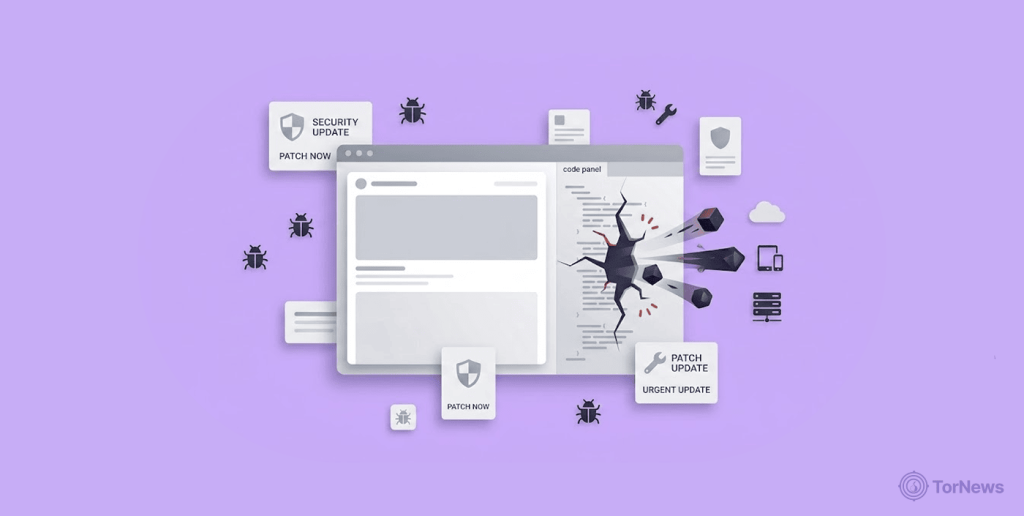
The time it takes for cybercriminals to attack after a security weakness goes public has decreased dramatically to hours. Organizations must act quickly to shield themselves from these threats because they only have a very limited period of time between disclosure and actively using an exploitable flaw.
Recent reports show that whenever a security vulnerability is disclosed to the public, the hacker community will use such disclosure to exploit computer networks at record speed with little or no time delay between the announcement of a flaw and its use.
Because of the increased speed with which these attacks occur, security teams are under increasing pressure to patch systems to reduce the number of systems vulnerable to cybercrimes.
The acceleration reflects the growing sophistication of the cybercriminal ecosystem, attackers now use automated tools to scan for vulnerable systems immediately after patches are released. To understand the flaws associated with the patches quickly, they conduct reverse engineering the patches.
Attackers Weaponize Vulnerabilities Faster Than Defenders Can Patch
In many instances, the timeframe for secure patching has diminished to mere hours. Previously, security teams had a reasonable amount of time, up to days or even weeks, available to apply patches before threat actors would begin using them. That timeline has evaporated.
Researchers observed that threat actors actively monitor security mailing lists and patch announcements. They deploy exploits within hours, sometimes before many organizations have even downloaded the updates. This forces companies to choose between rushing patches without testing or risking exploitation.
The pattern holds true across a wide range of software and operating systems. High-value targets like enterprise applications, network appliances, and operating systems face the highest risk, attackers prioritize flaws that grant remote code execution or privilege escalation.
Ransomware gangs, as well, have used this rapid implementation of newly-discovered vulnerabilities as an integral part of their operations. They immediately use new vulnerabilities to add to the tool kits of their affiliates. This perseverance enables criminals of limited skills to perpetrate substantial attacks rapidly, utilizing the most current exploits available.
A recent case illustrates this pattern. A ransomware group exploited a Cisco firewall flaw for weeks before a patch was applied, showing how attackers capitalize on the gap between disclosure and remediation.
Proactive Threat Intelligence Becomes Essential for Defense
Traditional reactive security measures no longer provide adequate protection. Organizations can no longer rely on their vendors for releasing patches and waiting weeks or months before applying those patches. Due to the rapidity of cyberattacks today, a proactive rather than a reactive approach is necessary.
Threat intelligence platforms provide organizations with the information they need to understand what threats may develop before they can be exploited to access their environment. The threat intelligence platform provides the necessary information by monitoring dark web forums, hacker communications, and locations where exploits developed prior to the actual cyberattack taking place. The use of threat intelligence platforms provides organizations enough time to defend themselves against an imminent attack.
In addition, AI-based threat monitoring can also identify abnormal activity patterns and potential precursor activities. Threat intelligence platforms perform extensive analyses of millions of potentially-related events and flag potentially suspicious activity, which indicates an impending transaction. Organizations that detect an attack sooner will have more than enough time to implement a temporary mitigation measure until they can develop a permanent solution to the problem.
The move toward proactive threat intelligence is a reflection of an overall evolution in the way we view information security. Many organizations are now employing forward defense strategies rather than waiting to respond after a cyberattack. This means treating every vulnerability as potentially already known to attackers.
Organizations Must Adapt Defensive Strategies
The speed of modern cyberattacks requires fundamental changes to security operations. A key improvement is making patching processes faster than they are today while still keeping them stable. The testing and deployment cycles for patches will require streamlining through the use of automation and better tools.
Organizations should identify and prioritize those vulnerabilities that are currently actively exploited; not all vulnerabilities pose equal levels of risk; therefore, security teams will not be able to patch every vulnerability immediately. Risk-based prioritization helps organizations focus limited resources on the most critical risks for the best security outcomes.
Network segmentation provides an additional layer of protection. Isolated systems can limit the damage attackers can cause, even when patches fail to fully resolve vulnerabilities. The zero-trust architecture will also limit the capability of compromised accounts to provide access to the entire network.
Routine vulnerability scans help organizations identify strengths and weaknesses before attackers can exploit them. Organizations that use continuous scanning instead of periodic scanning gain better visibility into their exposure and can respond to new threats more quickly.
It is also important for organizations to develop an incident response plan that can adjust to an accelerated attack timeline. Incident response teams should regularly practice rapid-response scenarios for situations where patches cannot be applied in time. This could include enforcing temporary mitigation strategies such as disabling or blocking access to specific services.
The cyberthreat landscape will continue to change with the trend toward faster, automated attacks. Organizations that adapt their defenses stay ahead of emerging threats, while outdated tactics increase breach risk.
