-
An online seller listed 12.1 million customer records from South Korea’s CJ CGV cinema chain for $250.
-
The database reportedly contains customer names, phone numbers, addresses, ticket booking histories, and detailed payment amounts.
-
CJ CGV has not confirmed a breach, but experts warn cheap data sales raise text phishing risks.
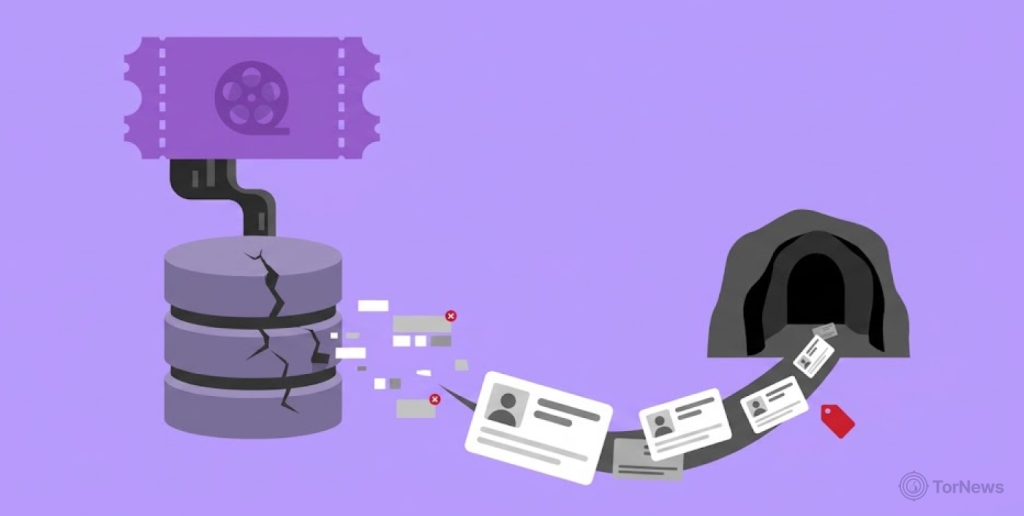
Cybercrime forums recently featured a suspicious advertisement targeting CJ CGV, the largest movie theater chain in South Korea. An anonymous online seller claims to possess over twelve million private records belonging to registered moviegoers. The seller listed the massive database for sale at a bargain price on an unauthorized marketplace.
The threat actor claims the stolen file contains sensitive personal information and private account activity details. Company representatives have not officially confirmed any internal server breach or data security breakdown yet. Meanwhile, cybersecurity analysts warn that cheap data sales increase serious identity theft risks for local citizens.
Details of the Advertised Customer Information and Database Export
The seller claims the leaked database holds twelve point one million unique user records collected from cinema accounts. The data package reportedly includes full customer names, personal phone numbers, and home addresses. It also contains private email addresses alongside active user identification numbers.
Furthermore, the offered sample files reveal detailed movie ticket purchase histories and current booking statuses. The database exposes exact financial information, including net amounts and total costs paid during booking transactions.
Cybersecurity researchers reviewed sample entries and noted that the structure mirrors authentic database export files. Consequently, bad actors could easily use these specific purchase logs to create targeted scams.
Financial Fraud Risks and Cheap Sale Price Implications
The threat actor had set the asking price for the complete dataset at a mere two hundred and fifty dollars. Selling large databases at such low prices allows dangerous files to spread rapidly across online criminal groups. Moreover, cheap access enables low-level scammers to purchase private records without spending significant money.
Furthermore, affordable data access results in the surge of savage telephone and text message scams across the nation. Most times, those fraudsters use phony messages that appear to originate from reliable entertainment brands.
Scammers also use true purchase data to make their phony refund requests and account authentication messages seem authentic. As a result, victims could easily fall for their lies. In the end, they may disclose the passwords of their bank accounts by mistake to criminals.
Corporate Response Protocols and Ongoing Breach Verification Efforts
Security personnel point out that unverified information & posts on the dark web do not prove that a company suffered a compromise. Corporations normally run their internal inquiries to find out whether posted data online is genuine & matches their customer records.
Moreover, security specialists warn the public against believing the claims of anonymous vendors operating on the dark web. Cybercriminals sometimes present old leaks as new. Also, they may combine fake and real personal information in one post making their offer highly attractive to potential customers.
However, system administrators should access their logs to monitor for remote access attempts from external actors. System teams must also inspect user access controls to ensure proper protection across central database platforms.
Security Guidance for Cinema App Users and Account Holders
Security experts advise all customers who use the cinema app to adopt new practices in regards to cybersecurity. Clients have to change login passwords to unique phrases that software cannot guess. In addition, they should also activate two-factor verification to block secondary attempts to log in.
Furthermore, movie fans need to be very careful reacting to unknown messages concerning booking tickets or money refunds. Users should refrain from clicking on links provided in suspicious text messages or e-mails.
The companies in the entertainment industry never require passwords and sensitive financial information via unknown communication channels. Thus, users have to verify messages about payments through official customer support service.
System Safeguards and Strategic Network Infrastructure Protection
The incident reflects an urgent need for solid system security & data protection among commercial entertainment companies. Large firms that serve customers have millions of user files that make their central servers a very attractive target for foreign cybercriminals.
South Korea is also expanding its cybersecurity workforce, with plans to add 68 privacy and cybersecurity workers across 36 government agencies to strengthen data protection and security oversight.
Organizations should use efficient encryption techniques to protect their customer data from unauthorized access. Moreover, network managers should constantly track the movement of data from outside the organization. This move will allow them to stop any undue and harmful actions beforehand.
Regular checks of security systems provide IT staff with the possibility to fix any software vulnerabilities before malicious people take advantage of them. One of the best security practices is to limit the access of the employees to only those files that they need in their daily work. Finally, businesses need to have effective cyber protection to keep the trust of the public & ensure user privacy.
