-
South Korea plans to hire 68 new privacy and cybersecurity workers for 36 government offices.
-
The plan wants to boost how well these offices guard citizen data and stop cyberattacks.
-
South Korea already has strong privacy laws, but this move adds more people to enforce them.
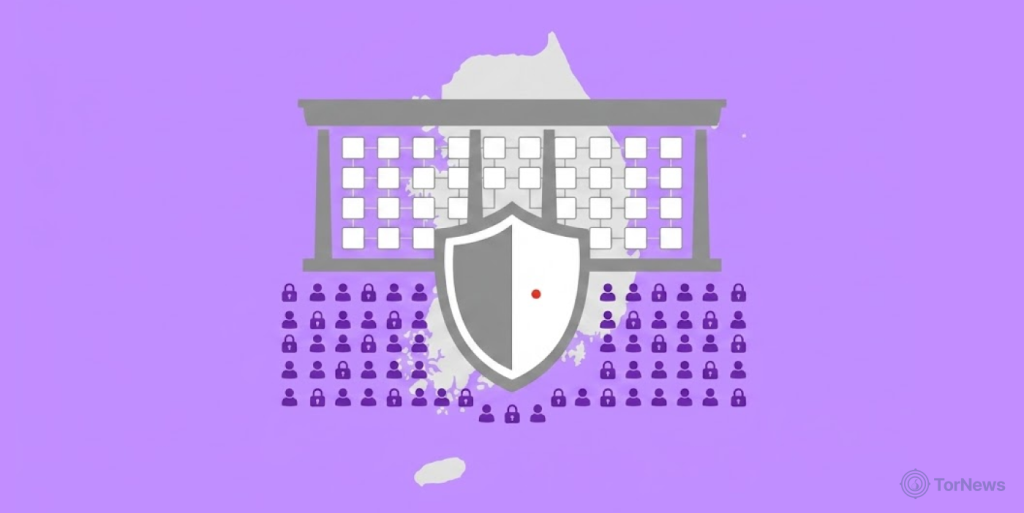
South Korea wants to guard citizen data better. The government plans to hire more workers who focus on privacy and online safety. This move will place new staff across many government offices.
According to a report by MLex, South Korea plans to add 68 privacy and security workers. These workers will join 36 different government bodies. The goal is to protect sensitive data better and respond faster to online threats.
Why South Korea Needs More Privacy Staff
Governments around the world face growing pressure to protect data. Hackers often target government systems. These systems hold private details about citizens, workers, and public services.
The new hiring plan comes from a draft rule. Public comments on this rule ended on Wednesday. The rule points to a key reason for the change. More companies now use AI and cloud tools. This growth means more personal data moves through digital systems, and this raises the risk of exposure.
Out of the 68 new roles, 37 workers will focus on privacy protection. The other 31 will handle information security. Several agencies will get new staff. These include the interior ministry, the justice ministry, and the foreign ministry.
Other agencies on the list include the Financial Services Commission, the National Tax Service, and the Korea Disease Control and Prevention Agency. The Personal Information Protection Commission (PIPC) will also grow. It will get five new staff members. Four will work on privacy, and one will work on information security.
South Korea already runs a strong legal system for data protection. Its Personal Information Protection Act sets rules for handling personal data. The law requires groups to use safeguards. These safeguards stop data loss, theft, and misuse.
The PIPC acts as the country’s main privacy watchdog. It oversees how agencies manage citizen data. Current rules also cover guidelines for privacy, working with other countries, and general data safety steps.
What More Staff Could Mean for Data Safety
Hiring more workers does more than grow government headcount. Trained staff can spot weak points in a system faster. They can also help offices follow data rules more closely. When a breach happens, these workers can act quickly.
Cyber risks and privacy risks often connect. If a hacker breaks into a government network, they may expose data on many citizens at once. This is why cybersecurity plays a big role in data protection work.
South Korean law already tells organizations to secure personal data properly. The Korea Internet and Security Agency (KISA) also plays a key role. It works as a specialized body for certain privacy and security tasks.
By placing new staff inside these offices, South Korea aims to catch problems early. Data gets collected and stored right at the agency level. Local staff can watch for issues before they grow into major breaches. This differs from waiting on one central team to catch every problem.
A Bigger Push for Public Sector Cybersecurity
This move shows a growing need for skilled cybersecurity workers. Public offices now run more digital services. That means they process more data online, and agencies need staff who understand both privacy rules and security work.
The 68 new officials across 36 offices show a wide, government-wide effort. South Korea is also investing heavily in offensive cyber defense tools. The Ministry of Science and ICT and the National Police Agency launched a 13.2 billion won project to develop an integrated dark web and virtual asset drug investigation system that uses AI-driven de-anonymization and transaction tracking technologies.
This staffing plan alone will not stop every cyberattack. But it does give agencies more tools to manage data safely. It also helps them respond faster when problems arise. Right now, MLex remains the main source reporting on this specific plan. South Korea’s broader privacy laws already confirm that data protection stays a core government duty. This new plan adds more people to carry out that duty across the public sector.
The push also reflects a wider global pattern. As agencies gather more digital data, they need bigger teams to keep that data safe. South Korea’s plan shows one way governments try to close that gap between growing data use and strong digital protection.
