-
A suspect from Puyallup, a city in Pierce County, Washington, USA, is alleged to have distributed thousands of fentanyl pills across the US using the postal system.
-
Federal investigators discovered a storage facility connected to the shipment of the illegal drugs that could have driven a surge in overdose deaths nationwide.
-
Prosecutors revealed the defendant could spend several years in prison if convicted, as authorities continue efforts to curb fentanyl distribution.
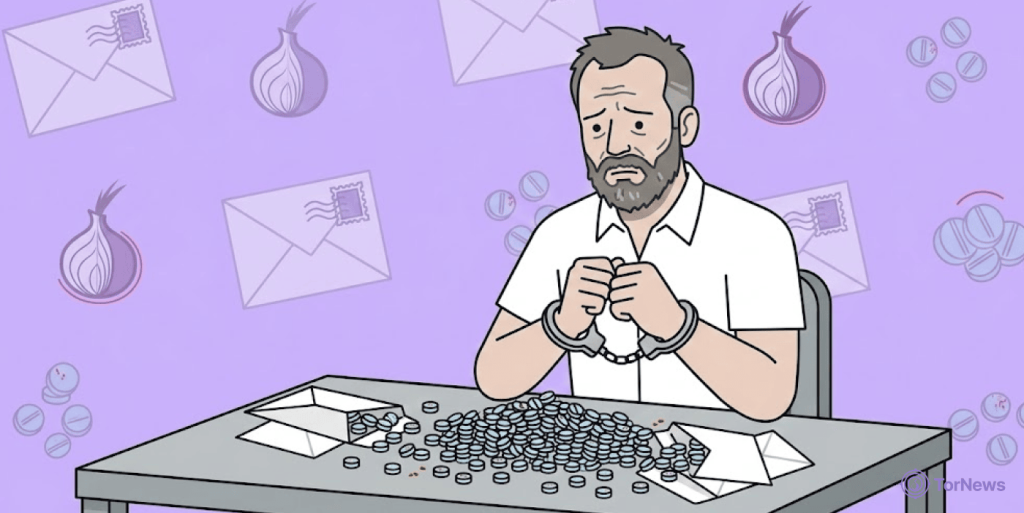
A man in Washington, 34 years old, is facing potentially lengthy federal prison sentences for his role in mailing more than 100,000 fentanyl pills using the U.S. postal service. His actions indicated that he had distributed dangerous narcotics to different places across the entire US. Also, authorities mentioned that the case reflects the increasing use of mail services in drug trafficking and distribution within the country and even beyond.
A probe into the case revealed that the defendant – identified as Trevor Stephen Haahr – reportedly maintained a storage facility in Puyallup, Washington, where he packaged huge quantities of fentanyl before distributing them via the mail. According to the investigators, the suspect shipped out a very large volume of highly addictive substances through the mail before Federal enforcement agencies discovered them.
Fentanyl – a synthetic narcotic analgesic – is a very powerful chemical substance that is responsible for thousands of overdose deaths nationally. The DEA indicates that even small quantities can result in death from an overdose. It is very dangerous because drug traffickers often disguise this drug using prescription medications to confuse the consumer and make it difficult to determine exactly what they are consuming.
Mail Services Used in Drug Shipment
Prosecutors in the case have accused Haahr of using a storage unit to prepare packages that he filled with fentanyl pills before sending them through mail services to buyers. The investigation revealed there were more than 100,000 pills – if distributed, could cause significant damage.
Investigators cracked the case by tracing narcotics shipments back to the warehouse where traffickers stored their goods. These days, dealers are ditching street corners for the mail system. They figure it’s harder to get caught slipping a package into a mailbox than selling openly on the streets (and honestly, they’re not entirely wrong). But here’s what they miss: sometimes the very platforms they trust have already been infiltrated.
Take the Manhattan case where an FBI informant helped run a dark web drug market linked to fatal fentanyl sales. They worked inside for two years while fentanyl-laced pills kept flowing (and people kept dying). A chilling reminder that the shadows aren’t as dark as traffickers think.
Although using the mail system for drug transportation is illegal and carries federal penalties, once law enforcement agencies had established the connection between the drug trafficker and the shipments, prosecutors were able to file the appropriate drug trafficking charges against the suspect.
Officials also point out that fentanyl trafficking represents an elevated danger when compared to other drugs – fentanyl has an enormously high level of potency. The CDC reports that fentanyl, being a synthetic opioid, has become the leading cause of unintentional overdose deaths in America.
The Impact of Fentanyl Rises in the United States
This case represents an example of the larger nationwide effort to eliminate fentanyl distribution networks. Officials claim that fentanyl has been inundating several communities within the past few years and is often cut with other drugs or manufactured into counterfeit prescription opioids made to appear as legitimate drugs.
Many individuals using opioids in the form of counterfeit pills may not be aware that they actually contain fentanyl. Given that just a small amount of fentanyl can be sufficient to produce an overdose, health professionals say that anyone who takes these counterfeit pills stands an increased risk of suffering a fatal overdose.
Federal law enforcement agencies have increased the number of resources dedicated to locating fentanyl shipments through mail and package delivery systems. They say that drug traffickers commonly use rented storage units, prepaid shipping labels, and/or aliases in order to evade capture.
Stopping fentanyl isn’t a one‑agency job (and authorities know it). They often collaborate to search for packages suspected of being involved in the trafficking of fentanyl and to identify the individuals who have sent them.
Suspect Could Face More Than Three Years in Prison
The suspect is now in serious legal trouble. Federal prosecutors have filed charges accusing him of using the postal service to ship massive amounts of fentanyl—basically turning the mail into his personal drug delivery pipeline. If found guilty, he could spend longer than 3 years behind bars for his involvement.
The court case will continue as investigators obtain additional information regarding the shipments, as well as the location where the pills were allegedly packaged. More information may emerge during the judicial proceedings.
Many have viewed the case as a deterrent for others who may be considering transporting drugs via the postal service. Agencies involved in law enforcement are continually enhancing their ability to track suspicious shipments utilizing data analysis and other investigative methods.
To adequately respond to the fentanyl issue, public health professionals believe it requires a concerted effort in law enforcement and also in coordinating the resources necessary to fight addiction and provide treatment to persons suffering from addiction. Authorities have stated that stopping fentanyl from entering communities is the number one priority.
