-
Autopay announced that unknown users hacked its infrastructure and payment data since November 11, 2026, without phishing or the use of viruses.
-
The attackers took advantage of existing administration tools and credentials while using stealth tactics, preventing the triggering of regular alerts.
-
Autopay notes that hackers copied customer payment data, including card details, and is notifying affected people.
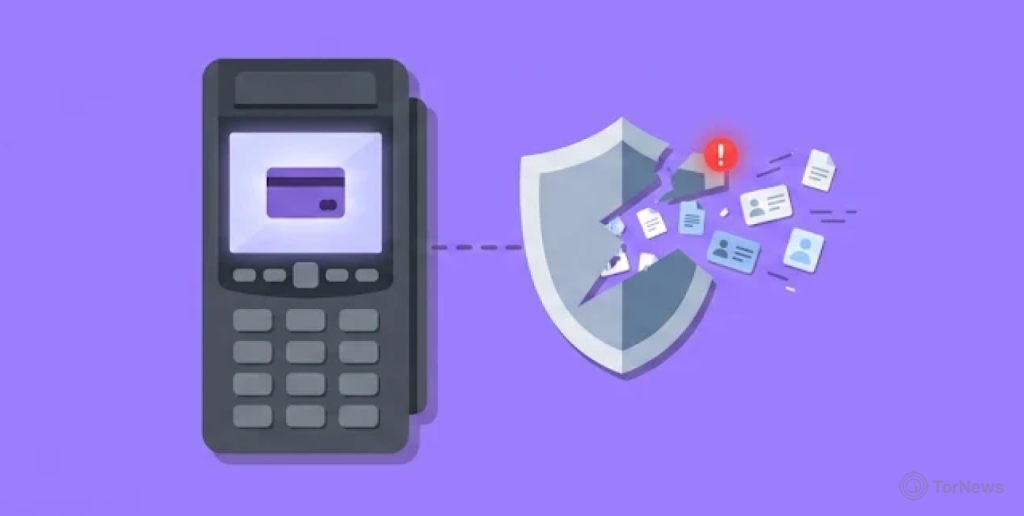
The Polish payment provider Autopay has acknowledged an attack on its systems, confirming that this could have compromised customer payment information. The company states that the attackers have managed to get into their systems without deploying malware or phishing, instead, utilized on AI tools to assist them.
Autopay first detected the hack on November 11, 2026. It stated that, while they haven’t confirmed any stolen data, they cannot rule out that possibility. The company has already begun the process of alerting customers who could be affected.
What Autopay Says Happened
Autopay disclosed the incident in a communication to Polish security portal Sekurak. The company asserted that hackers accessed portions of its infrastructure & some transactions information that the company was managing.
The head of security of the company admitted to Sekurak that the event represented an unprecedented scenario. He revealed the hackers exploited both valid accounts and also used applications of administration to circumvent the monitoring, deployment plus password management systems of Autopay.
This means that every step the hackers took seemed like a regular work of an administrator which is why they triggered no alarm. Moreover, the attackers didn’t infect any terminal and didn’t employ any viruses.
Meanwhile, Autopay claims to have terminated the unauthorized access right after its detection. It closed all channels the intruders used and revoked their passcodes. The company says it isolated the affected environment and restored infrastructure.
At the same time, the company hasn’t revealed how hackers acquired the login credentials. Also, it did not mention whether an insider played a part in facilitating the event. Those questions remain part of the investigation.
How AI Made the Attack Different
The security manager explained how the investigation process hastened due to the attacks. After a period of inactivity, the hackers managed to attack hundreds of elements in a matter of seconds. As soon as defenders blocked one of the attack routes, the hackers managed to switch to another immediately.
Further, the manager believes the tools they used for the attacks were specially created for the Autopay environment; the elements carry signs of AI-generated code. He noted that these attacks occurred with AI support.
He mentioned that the time from the first attack to a full hacking can now be smaller from weeks to hours. That means that humans cannot keep up with the speed of the attacks anymore.
Thus, the defensive strategies must change. If the security department can make checks just once a day, they won’t survive against a hacker who can attack in a matter of minutes. This means that companies need automated detection that responds in real time. Such a move will allow human analysts to focus on the cases that automation flags.
What Data May have Leaked
Autopay has not confirmed the exact scope of the breach. It also has not said how many customers may be affected.
An email sent to customers suggests the exposed data may include email addresses, phone numbers, IP addresses, and payment card details. The company has advised customers to check their transaction history regularly.
Autopay told customers to report any unrecognized transactions to their bank or card issuer immediately. It also warned people to be cautious of messages and calls that reference the incident. The company says payments through Autopay remain safe. It states the incident did not affect transaction processing.
Also, consumers should be aware of phishing attempts that can use real information. Indeed, a phishing message mentioning a latest payment or containing the true credit card number is more difficult to detect. A person must use the number on their card to get in touch with the bank instead of a link in a message.
What Happens Next
Autopay has informed the Authority for Personal Data Protection in Poland, the police, and CSIRT KNF, which is the cybersecurity response team of the financial authority, about the hacking incident. The company claims that it cooperates with all these organizations. Polish police arrested a suspected Phobos ransomware operative as part of a global crackdown, highlighting efforts to bring ransomware suspects to justice.
Autopay has also provided CSIRT KNF with an explanation of the methods of the hacker to ensure its dissemination in the banking sector. However, it has not disclosed the technical details due to security matters.
According to the company, they have restored all services. Further, Autoplay is providing partner companies keys & conducting a forensic investigation with assistance from certified external companies.
Over the last couple of years, payment companies in Poland have come under strict scrutiny from regulatory authorities. Hacking of a huge payment processing service can draw attention to smaller companies within the system on their security practices. Partners and merchants might be interested in the security measures of Autopay.
