-
A hacker claims to be selling 38.19 million records linked to Hong Kong’s Octopus payment system.
-
The listing reportedly includes names, phone numbers, card and wallet details, top-up history, and recent transactions.
-
Octopus has not confirmed a breach, and no independent check has proven the claim.
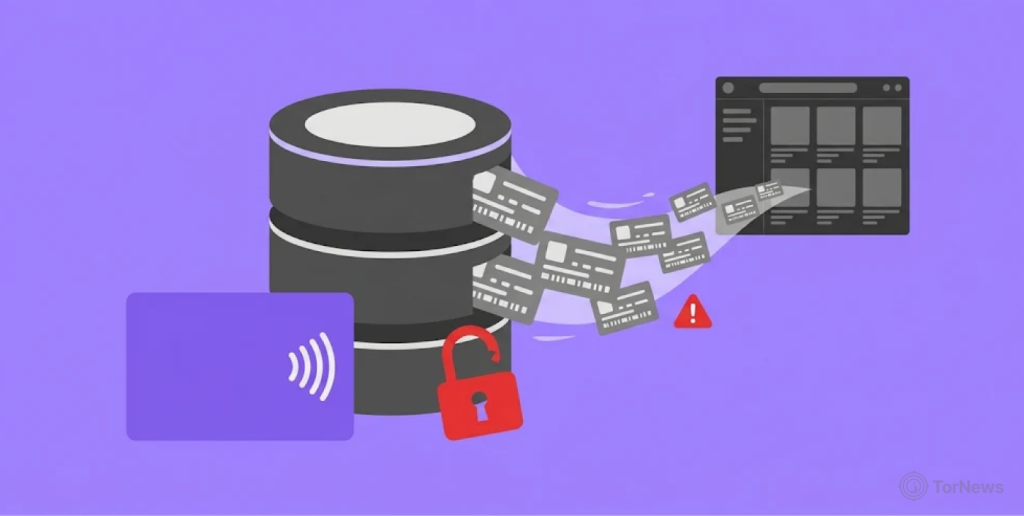
A hacker has posted an offer to sell millions of records tied to Octopus. Octopus is a popular contactless payment and stored-value card provider in Hong Kong. The company’s cards are widely used across Hong Kong. The offer appeared in November 2026.
The Dark Web Intelligence shared the post on X under the handle. The claim has raised worries about customer privacy and online fraud. The listing covers both personal data and payment activity. That is why the allegation draws close attention.
Seller Lists 38.19 Million Octopus Records Online
The seller says the database holds 38.19 million records. According to the post, the files contain personal and payment details of Octopus users. The seller lists customer names and phone numbers. The listing also mentions card and wallet details, top-up history, and recent transaction records.
The post does not show proof that the data came from Octopus systems. Nobody has checked the seller’s record count either. The number might count real customers, or it might count transactions. It might also include repeated entries.
Data gathered from different sources could explain the figure too. For now, the post gives no way to tell which of these is true. The seller’s words are the only source of these details so far. Readers should treat the listing as a claim, not a finding.
At the time of writing, no independent security investigation has confirmed the sale. No credible news report has confirmed it either. Octopus has not issued a public statement about a breach linked to this claim. Until the company speaks, the origin of the data stays unknown. Only a proper investigation can show whether the files came from Octopus.
Octopus Issues Fresh Warnings About Fake Websites and Ads
The claim arrives shortly after Octopus warned customers about fraud. On October 26, 2026, Octopus Cards Limited flagged a suspicious website named octopus-auth.com. The company said visitors could land on a page that pushes an unauthorized app download. Octopus said it has no link to the site. It also told the Hong Kong Monetary Authority (HKMA) about the website.
Octopus posted a second warning on November 2, 2026. This notice covered fake social media ads and websites. Those pages ask customers for their personal details. The company said it reported the matter to the HKMA.
The HKMA also released a scam alert on November 2. It told some customers to contact Octopus. These customers shared personal details or account login details on the fake sites. The same advice applies to anyone who made transactions through those sites. The HKMA also asked these customers to report the case to the police.
The timeline is short. Octopus issued its first warning on October 26. It issued the second on November 2, the same day as the HKMA alert. The data sale claim surfaced in a November 2026 post.
These warnings show that scammers keep misusing the Octopus name. However, they do not link the fake sites and ads to the 38.19 million record listing. Octopus also keeps a page on online security for customers.
Possible Scam Risks and a Warning About Dark Web Data Claims
The listing mixes personal information with payment activity. That mix could create serious privacy and fraud risks if the data is genuine. Names and phone numbers give scammers a direct way to reach victims. A scammer would not need to guess who to contact. Top-up and transaction history could make fake messages look more real. A scammer could mention payments the customer actually made.
Criminals could also pretend to be Octopus support staff. They could send fake account warnings to scare customers. They could try to trick people into sharing verification codes and account details. Each trick would rely on the personal and payment information listed in the post. A message that sounds familiar may lower a person’s guard.
Financial account fraud has also featured in other cybercrime investigations. In December last year, the FBI seized a dark web domain linked to a scheme that allegedly hijacked bank accounts and caused $28 million in losses. The case highlights how stolen information and online criminal services can contribute to financial fraud.
Still, nobody knows if the records are real or complete. A database listing alone does not prove that the seller holds genuine customer data. A seller can advertise anything, whether or not the files exist. Proof must come from outside the listing itself.
Cybersecurity firm Group-IB also urges caution with such claims. The firm published its May 2026 research on large datasets sold by Chinese-language data brokers. Many of those datasets held recycled data from older breaches. Others held generated records or unrelated information. Group-IB did not study the Octopus listing. Its findings only show why advertised record counts need proper checks. Big numbers in a listing do not prove a real breach.
For now, the Octopus data sale remains an unconfirmed claim. Customers should avoid suspicious links in messages and ads. They should download the official Octopus app only from trusted app stores. They should never share passwords or verification codes through unrequested messages.
