-
Attackers used a stolen Fireworks AI access key to reach Cursor’s stored data and internal tools.
-
The breach let fake Claude Code add-ons reach up to 5,000 Cursor Marketplace users.
-
Uber and Notion also reported data exposure linked to the Fireworks AI security incident.
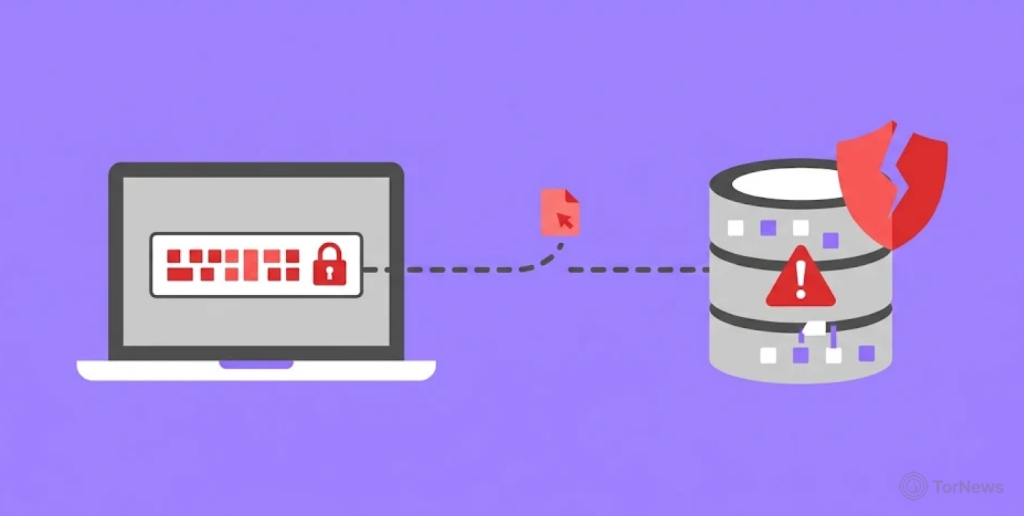
A stolen Fireworks AI access key started a cyberattack that exposed Cursor’s stored data. The attackers then spread a fake version of Anthropic’s Claude Code extension to Cursor users. Cursor shared the details in a security update on November 13, 2026. The company spent nearly two weeks investigating the attack before it went public.
Cursor said the attackers got hold of an access key that it had issued to Fireworks AI. The key leaked during a security incident at the AI infrastructure provider. Fireworks AI first reported unauthorized access to its internal systems in October.
According to Cursor, the attackers used the stolen key to copy data from a read-only storage bucket. Cursor shares this bucket with Fireworks. It held old coding agent traces, mostly from 2025. These traces came from sessions that did not have Privacy Mode turned on.
Cursor said the records were eligible for model training. Some of them still held login credentials that nobody had removed properly. The leak included API credentials from less than 0.01% of Cursor’s customers. Coding agent traces from fewer than 0.05% of users were also exposed.
Stolen Credentials Opened More Doors at Cursor
The attackers used the exposed credentials to reach selected online tools that Cursor uses. From there, they opened archived source code folders that were not part of the live product. They also viewed a limited set of customer support records. Email conversations, product usage numbers, and contact details were part of the haul. Summaries of some coding agent conversations were included too.
Source code theft has also appeared in other corporate cybersecurity incidents. In a separate case, hackers claimed to be selling Target’s source code on the dark web, with employees reportedly verifying its authenticity. The incident highlights how unauthorized access can put companies’ internal software assets at risk.
The attackers also reached some credentials that customers had earlier sent to Cursor’s support team. Cursor said its monitoring systems caught the unauthorized activity. The company turned off the Fireworks access key and canceled the exposed credentials. It then searched for signs of further access. Cursor also paused some internal and product services for a while. That pause cut off access to certain features.
However, the attackers had already taken another credential from the exposed internal data. They used it on October 29, 2026. That day, they placed unauthorized copies of Anthropic’s Claude Code extension in the cache that serves Cursor’s VS Code extension marketplace. The cache is a storage area that hands out files quickly.
Fake Claude Code add-on reached Cursor’s marketplace
The bad copies were versions 2.1.312 and 2.1.313. According to Cursor, the fake builds tried to collect system information. They also tried to install an SSH key that the attackers controlled. Then they tried to set up a lasting reverse SSH tunnel for remote access.
Microsoft’s security researchers examined the fake add-on on their own. They confirmed its attempts to gain remote access and stay on the system. Their analysis also noted that success depended on system privileges and SSH settings. Cursor said the SSH step of the backdoor would fail on most Windows and macOS systems.
The fake builds stayed available for about 11 hours. Cursor estimates that up to 5,000 users may have received them. These were users who asked for the affected cached versions during that window. That number does not mean all 5,000 people installed the add-on or got infected.
Cursor removed the builds and took its extension marketplace offline for a time. It worked with the hosting provider to shut down the attacker’s server. The company also told the affected users and shared steps for them to follow. Cursor stressed that Anthropic did not create or share the fake copies. It added that the upstream Open VSX marketplace was not compromised.
Uber and Notion also Report Data Exposure
The incident shows the risks of depending on outside AI infrastructure providers. Fireworks AI posted an update on November 9. It confirmed that the incident affected account and billing information. Some customer secrets, datasets, and incomplete model weights were also exposed.
Notion confirmed that hackers reached some of its AI chat transcripts through the Fireworks incident. The company shared the details in a security advisory. It said the affected data involved fewer than 1% of Notion workspaces. Most exposed transcripts could not be linked to individual users or workspaces.
Uber also confirmed unauthorized access to data held by a third-party provider. According to its filings with U.S. authorities, stolen provider credentials let attackers reach information tied to Uber. Reports say the provider was Fireworks AI. Reports also say thousands of drivers’ licence records were among the exposed data.
Cursor has since moved its inference traffic away from Fireworks. It also changed its credentials and rebuilt its extension marketplace. The company said the last attacker activity it saw was on November 1. Cursor blocked that attempt.
Cursor also reported no evidence of impact on users who turned on Privacy Mode. It found no impact on customer code repositories or production systems. Official Cursor app updates and other marketplace extensions were not affected either.
The investigation shows how one stolen credential from a third party can create risks across several companies. This can happen even when their own production systems stay untouched.
