-
A threat actor claims to sell a database linked to Kazakhstan’s Supreme Court system for $50,000.
-
The listing says the database holds over 507 million records across 186 tables, dated 2014 to 2026.
-
No official statement or public sample has confirmed the claim, so the alleged breach remains unverified.
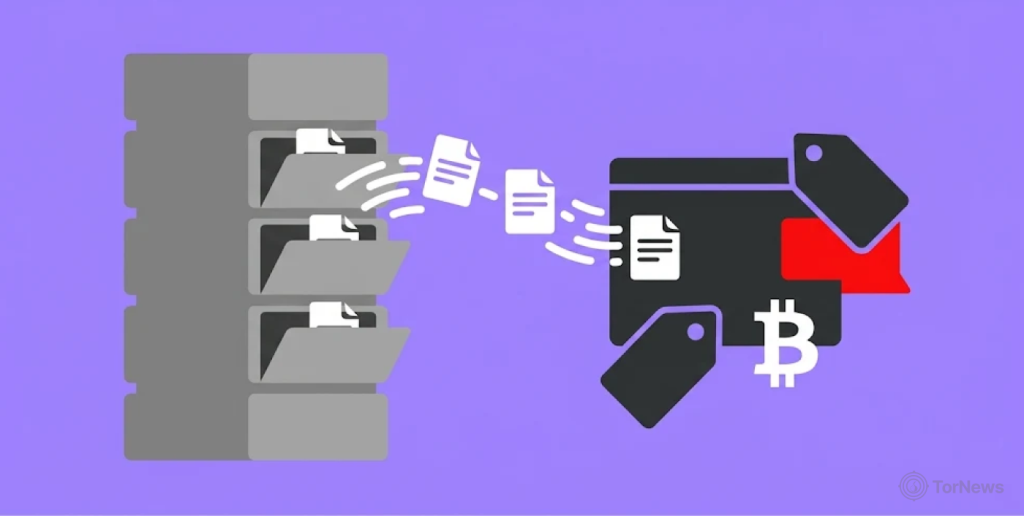
A threat actor is offering a database linked to Kazakhstan’s Supreme Court judicial system for $50,000. A threat actor is a person or group that attacks computer systems. A database is an organized collection of stored information. The listing claims the database holds more than 507 million records.
Dark Web Intelligence shared the claim in a post on X from its @DailyDarkWeb account. The seller says the records cover the years 2014 to 2026. Such a large collection could expose sensitive court and personal details of many citizens. The word “alleged” matters in this story. It means someone claims something without proof. Every figure here comes from the seller’s listing.
Seller Lists 186 Tables of Court and Personal Data
According to the post, the database contains 186 tables. A table works like one sheet in a big spreadsheet. The seller says these tables hold information about millions of Kazakhstan’s citizens. The listing also says the data comes from the Supreme Court judicial system. People reach that system through its official website, sud.kz.
The most sensitive part is reportedly 16.6 million judicial profiles. These profiles allegedly contain Individual Identification Numbers (IIN), which are personal ID numbers. They also include passport details and home addresses. The listing further claims 13.3 million records about people involved in court cases. The listing treats these case records as a separate group from the profiles. Those records could connect individuals to legal proceedings.
The number 507 million sounds huge. However, it does not mean 507 million different people. One person could appear many times in the database. The files could hold repeated entries, case updates, and linked records. They could also include other details that court proceedings create. The seller also named a price of $50,000 in the advert.
No Official Word from Kazakhstan’s Supreme Court Yet
The claimed 16.6 million judicial profiles and 13.3 million case records still need independent checking. Sellers often share a small sample of their data to prove it is real. No public sample of this database exists. A sample lets outsiders compare the data with real people and real cases. Without one, nobody outside the seller can test the claim. No technical review has confirmed the numbers either. Nothing proves where the seller got the information.
Nobody has shown that a buyer paid for the database. Nobody has shown that the seller handed over any files. As of November 16, 2026, searches found no reliable independent coverage of this listing.
Kazakhstan’s Supreme Court has not issued a verified public statement. Government authorities have not confirmed that the court’s systems were compromised. For now, only the seller’s advert supports the claim.
Kazakhstan has faced other claims about stolen personal data. Reports say a database of 15 million citizens, tied to eGov, surfaced in August 2026. The Ministry of Digital Development rejected that claim after it examined the files. Officials said the material showed no evidence of a breach of the eGov system. Analysts also questioned the seller’s credibility. The seller never showed a database sample. That was a separate incident. It does not prove whether the Supreme Court claim is real.
Another reported incident involved Kazakhstan’s online education platform Daryn Online. Authorities investigated claims that a data breach may have affected 4.2 million users. The case adds to concerns about the exposure of personal information across the country’s digital services.
The case shows why underground adverts need careful checks. These are sales posts that sellers place away from public view. A seller holding personal data does not prove the named organization suffered a recent cyberattack. A cyberattack happens when hackers break into a computer system. Someone can also combine records that leaked earlier. They can then advertise those records under a different source.
Court and ID Details Could Fuel Scams If the Claim is True
If the database is real, the exposed IIN numbers, passport details, and home addresses create serious privacy risks. Identity thieves could use such details to pretend to be a victim. That crime is called identity theft. Fraudsters could also use them to plan targeted scams. Fraud means tricking people to steal their money. Together, these details give a criminal much more to work with than a name alone.
Court case information adds another danger. It could reveal links between people and legal proceedings. Criminals could use those details to write convincing phishing messages. Phishing means fake messages that trick people into sharing private information. A scammer could also pretend to be an official. A fake official could call a person and mention a real court case. That call would sound far more believable. Some criminals might target people involved in specific cases.
For now, the 507 million record database remains an unverified claim from a threat actor. Experts need to examine the records and confirm where they came from. Kazakhstan’s authorities also need to respond. Only then could anyone test the claimed figures against real cases and call this a confirmed data breach. A data breach means private information leaves a system without permission.
