-
A hacking group known as “313 Team” has claimed responsibility for the disruption of both Dropbox and Amazon Prime Video, the companies involved, however, have denied any such activity has occurred.
-
While Prime Video did experience a major outage during an NBA game recently, Amazon attributes this to a hardware failure within the production vehicle rather than a cyber-attack.
-
Moreover, security experts advise users that they should only use reliable information sources when seeking out information regarding these issues.
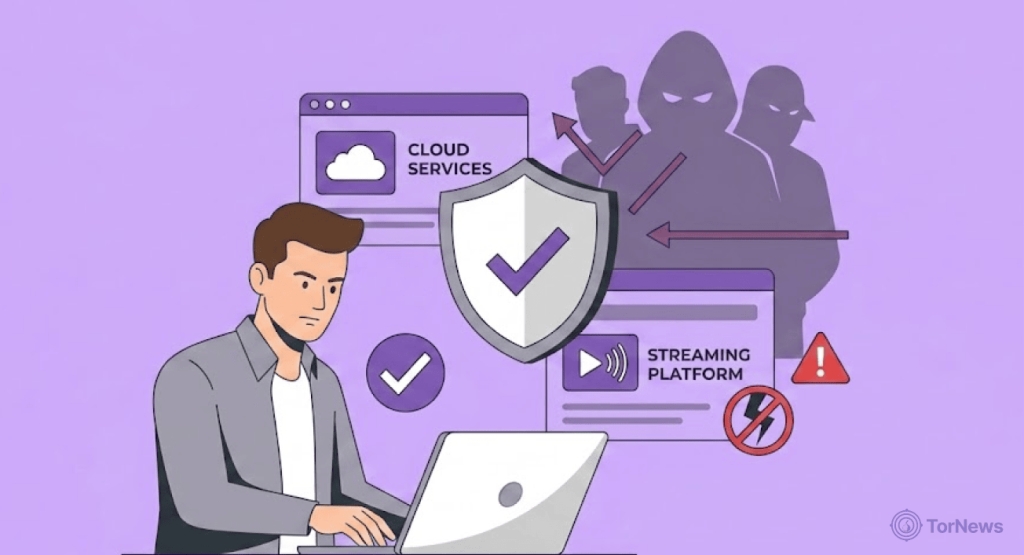
A mysterious cyber hacking group known as “313 Team” has hit the headlines. They claim responsibility for a series of cyberattacks that temporarily knocked out two major online services, Dropbox and Amazon Prime Video.
According to a post from the Dark Web Intelligence account on X, the group revealed that it launched a coordinated attack that lasted about three hours. The reported targets are the cloud storage firm Dropbox and the popular streaming platform Amazon’s platform.
Meanwhile, security experts have advised the public to remain cautious. At the time of writing, the two alleged companies, Dropbox and Amazon, have not confirmed any cyberattacks that affected recent problems. This is a classic case reflecting a situation where a real technical failure meets a perfect opportunity for a hacker group to claim responsibility.
What Happened with Prime Video and Dropbox?
The timing of the “313 Team” leaks comes at a very inopportune time for Amazon, whose Prime Video experienced a Class-A outage incident when most fans were trying to access the live-streamed NBA Play-In games between the Miami Heat and Charlotte Hornets.
This unfortunate timing could not have happened at a more inopportune time, as there was less than a minute remaining in overtime when all of a sudden, the user’s screen was met with a “Technical Difficulties” message.
As a result of Prime Video’s downtime, fans were unable to watch LaMelo Ball of the Hornets make a pivotal layup with less than a minute remaining in that overtime contest. Such a service outage did not go unnoticed, as LeBron James reached out to his followers on X when he tweeted, that someone should tell him the game didn’t go out or if he was the only one tripping.
Amazon later went on record to clarify that the reason for the sports outage was due to hardware failure in one of the production trucks, they did not corroborate the speculation regarding any involvement of an external hacker. Most Dropbox users also reported that they received more error messages, mainly HTTP 500 errors, which generally indicate problems with an internal server as opposed to external hacking.
Why Hackers Claim Fake Victories
Security analysts following the Dark Web Intelligence report note a common pattern here. When a massive platform like Prime Video or Dropbox goes down, even for a routine glitch, it creates a lot of noise on the internet.
Threat actors like “313 Team” often jump on these events. They scan social media for reports of outages and then post “proof” that they were responsible. It is a cheap way to earn credibility in the hacking underworld without doing any actual work.
While these claims are often fake, real vulnerabilities do exist, a ransomware group recently exploited a Cisco firewall flaw for weeks before a patch was available, showing that actual cyber threats are just as dangerous as hackers claim, even if specific outage claims are unsubstantiated.
According to the threat assessment in the original X post, while there were spikes in outage reports on sites like Downdetector, there is zero official verification linking the “313 Team” to these specific disruptions.
Staying Safe Amid the Confusion
Though the companies involved have not verified the alleged hack – this incident serves as a reminder to stay vigilant:
- Wait for Official News: Do not trust hacker claims on social media. Always wait for statements from the official company (Dropbox or Amazon) before believing your data is at risk.
- Watch for Phishing: Scammers often use news of “hacks” to send fake emails. If you hear about a Dropbox attack, do not click on links in emails promising to “fix” your account. Go directly to the official website.
- Enable Two-Factor Authentication (2FA): Whether the attack is real or not, securing your login with 2FA is the best way to protect your cloud accounts from actual threats.
