-
A recent WalletHub study shows that California is the second most at-risk state for identity theft and scams, while Florida is number one.
-
People in California get hit hard financially by fraud, losing a median amount of $542, and over $71,000 on average in crypto scams.
-
Experts think that not having some state laws, like identity theft passport programs, makes it easier for crooks to target residents.
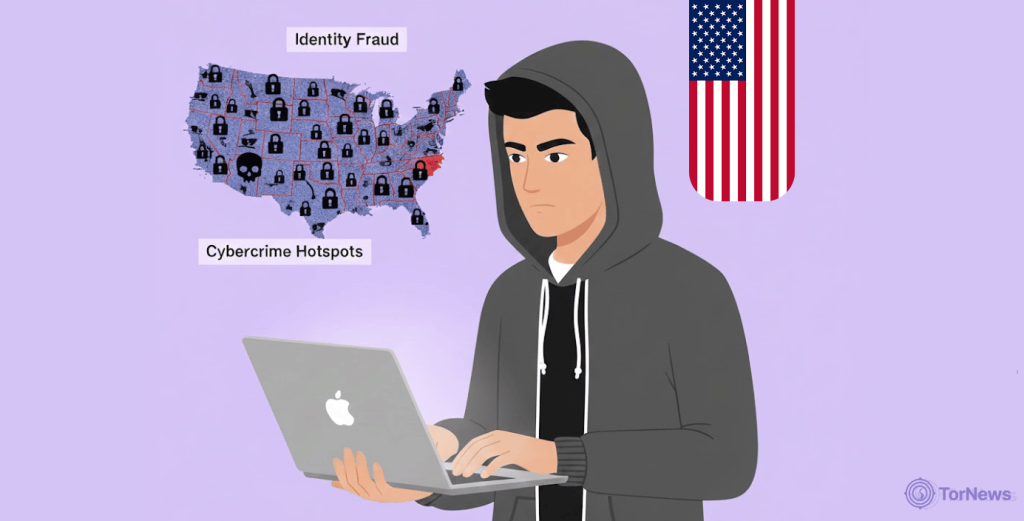
WalletHub, a personal finance company, recently released a report on identity theft and fraud, and the results aren’t great for those living in Florida or California. According to the report, California and Florida are at the very top of the list for being the most at risk of scams and data theft.
With major data breaches like the AT&T incident that happened recently, leaking millions of people’s info onto the dark web, a venue also used for illicit activities like the recent dark web drug trafficking case that sent a Florida couple to prison for over a decade, the finding in this report feels even more serious.
A National Look at the Most Vulnerable States
WalletHub compared all 50 states and Washington, D.C. They used 15 different metrics to measure vulnerability. The study looked at complaint rates, financial losses, and state laws.
Florida was named the most vulnerable state in the country. WalletHub analyst Chip Lupo says weak state laws are a big reason. “Florida doesn’t have an identity theft passport program,” he notes.
Florida also lacks laws against spyware on computers. The numbers back up its top ranking – for every 100,000 people who live in Florida, 528 had complained about identity theft last year, the highest rate in all of the United States.
California came in a close second. Its residents face some of the highest financial losses from fraud in the country. The median loss per fraud incident in California is $542. That is the third-highest amount nationwide.
Losses are even higher for specific crimes. The average loss for online identity theft in California is over $28,000. Californians also lost an average of over $71,000 to cryptocurrency fraud schemes.
How State Laws Help—Or Fail—To Protect You
A key part of the study focused on state policies. Strong laws can lower your risk of becoming a victim. Lupo explains that “living in a state with robust legal protections…can decrease your risk.”
Identity theft passport programs are a major protective law. These programs help victims prove their identity after it’s stolen. California has this program, which is a positive step. However, states like Florida and Georgia lack this key protection.
Other important laws target spyware and improve credit security for minors. The study found that states with fewer of these protections tend to have more complaints and higher losses. Meaning there’s a big gap when it comes to keeping residents safe, depending on where they live.
Steps to Take to Keep You Safe From Fraud & Identity Theft
Security experts from the study offer clear advice. They say you should be proactive. “The biggest thing people can do is to pay attention,” says Dr. Philip Kim, an associate professor at Walsh University. He recommends checking your bank and credit card statements regularly.
Other essential tips include freezing your credit. Banks give this service to customers for free, and it goes a long way in stopping identity theft.
Make sure you’ve got a strong password that people can’t easily guess for everything. If you can, turn on that two-step verification thing. And before you start typing in your personal details, double-check that the website address starts with https – those are usually more secure.
Data breaches are everywhere these days, from telecom giants to specialized lenders like 700Credit, so you have to stay sharp. Honestly, these simple steps make a big difference in protecting your information—it doesn’t matter where you are.
