-
More than 880,000 materials of child sexual abuse uncovered in one week following Police coordinated sweep in Malaysia.
-
Statistics from UNICEF specialist, Selvi Supramaniam hints that at least a child from every classroom in Malaysia is being affected.
-
Consequently, under 16 profiles in Malaysia will not have access to social networks, effective from 2026.
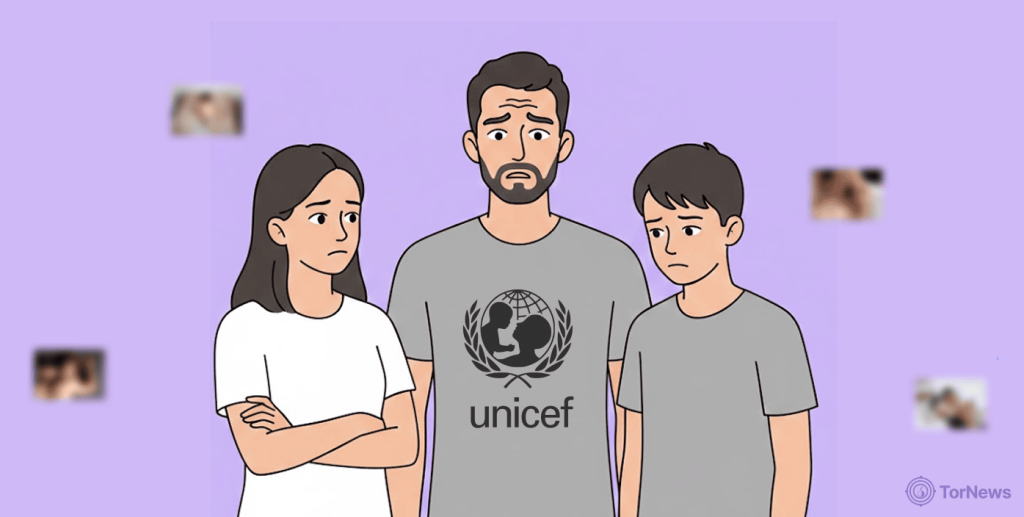
A week-long crackdown just revealed something horrifying. In the space of seven days (September 23 to 30), Malaysian law enforcement busted 37 locations across the nation. The Royal Malaysia Police and the Malaysian Communications and Multimedia Commission discovered over 880,000 instances of child sexual abuse, arresting 31 culprits.
But here’s what’s really alarming. Investigators found that criminals were using anonymous accounts, closed networks, and dark web channels to share this illegal content. Cashless transactions made tracking them even harder. Despite this anonymity, international law enforcement agencies are increasingly successful in tracking down offenders, with some jurisdictions imposing decades-long prison sentences for such crimes conducted via the dark web.
One Child in Every Classroom
UNICEF Malaysia Child Protection specialist Selvi Supramaniam shared some numbers that should worry every parent. One in three internet users globally is a child. A recent study conducted in Malaysia revealed that there are clear examples of online sexual exploitation and abuse affecting one out of every 25 children aged between 12 to 17 in Malaysia.
“So, at least one child from every class is a victim,” she said to Bernama. These schemes employ sexual extortion, coercion, and the sharing of sexual content without permission. This localized data reflects a disturbingly universal pattern, with undercover investigations in other countries consistently revealing how easily and frequently predators target children on mainstream platforms. The statistics show that these children are suffering through real trauma and fear as well.
In response to the magnitude and complexity of the different risks, Selvi states that there will need to be stronger methods of protection for children on the Internet as well as better integration and communication between social media companies, parents, schools, teachers, and children.
To be able to fully equip children with protective services, we will also need to educate all parties (parents, teachers, etc.) about the risks to children that are found on social media.
Malaysia has announced new developments concerning how underage profiles (below 16) can access social networks. Starting next year, the country will stop granting users under 16 access to social networks. This is a proactive attempt to help prevent our youngest users from falling victim to the growing number of online threats.
Platforms aren’t Doing Enough
Age verification could help, but it’s tricky. Selvi noted that age assurance could prevent children from accessing unsuitable sites or restrict features based on age.
“We should be using age-verification systems to protect children from inappropriate material and to protect their privacy in the same manner.”
However, that is not the primary concern. The main concern is how rapidly child sexual abuse material spreads online. Most online services require constant monitoring, prompt intervention, and well-defined reporting procedures to be effective. The biggest challenge is that regulatory bodies should not be the only source or only source of protection against this type of crime.
Selvi stressed that platforms themselves must take responsibility. They need robust systems to detect and block access to known abuse sites. This includes using recognized URL or hash lists and other internationally accepted detection tools. He said,
“Continued investment in CSAM detection tools and AI that support human review is essential for proactive identification and eradication of nefarious content.”
The Cultural Blind Spot
The current situation is problematic for many global digital platforms, as their current model for detecting harmful content within Malaysia’s language, culture, and linguistic diversity is inadequate.
Digital platforms are not working with an adequate number of moderators who can effectively recognize Malaysia’s slang terms, juvenile terminologies related to many current youth trends, and threats. As a result, platforms may fail to detect harmful content, misidentify it, or misinterpret it as harmless.
According to Selvi, these gaps demonstrate the necessity for platforms to be held accountable for conducting through due diligence and to conduct child rights impact assessments and develop safety systems that accurately reflect how Malaysian children experience and interact in their daily lives.
Malaysia’s Online Safety Act 2025 imposes clear regulatory obligations on digital service providers, requiring them to respond promptly to all complaints about harmful content and block access in a timely manner. Additionally, many other countries, such as Australia, the United Kingdom, Canada, and the Philippines, have similar laws in place.
They require you to report any detected or flagged material to the police immediately. Service providers must filter and block known content using available technology. Selvi’s final point really drives it home. To achieve a safer, more sustainable digital environment for children where they can explore, grow, learn, and participate with confidence, we cannot rely simply upon a response from governments.
We must instead work collaboratively among all stakeholders, such as parents and families, educational institutions, legislative bodies, and law enforcement agencies, who are adapting their tactics to infiltrate and dismantle the dark web forums where this abuse is coordinated. All other relevant sectors to establish and promote the development of a secure, healthy environment for children within a globally-connected digital ecosystem. We are not in this position yet, but we must achieve it.
