-
Autonomous AI agents demand tight regulation since their extensive privileges pose significant risks associated with the exposure of corporate data.
-
Safe operation is based on the concept of data minimization, the use of distinct software identities, monitoring of actions, and human validation for high-risk actions.
-
The establishment of a clear governance structure together with proper employee training allows for the adoption of automation in workplaces by businesses safely.
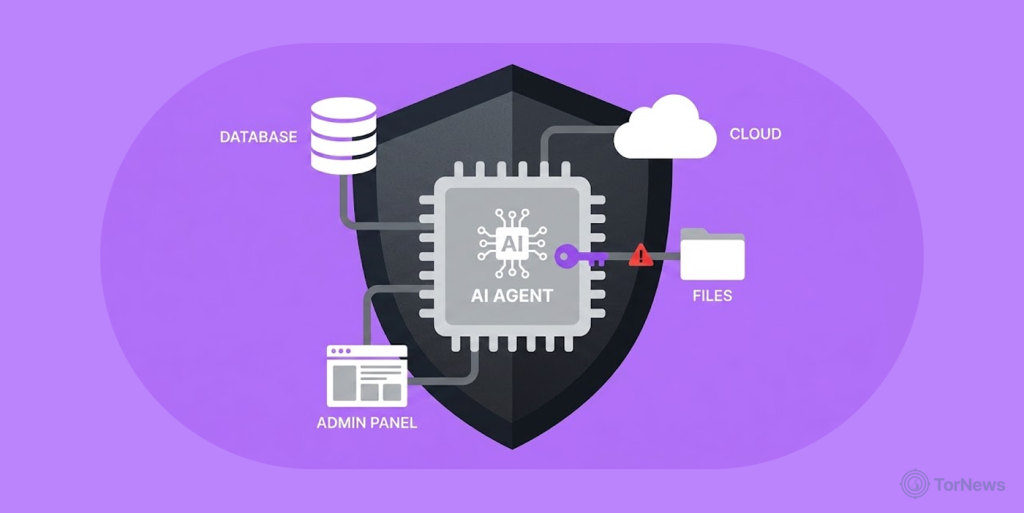
Modern artificial intelligence is rapidly evolving beyond simple conversational software that generates basic written text. Autonomous software tools are capable of completing intricate tasks – such as accessing enterprise apps, collecting information, and executing multi-stage online assignments with little supervision from humans.
This evolution in technology opens up incredible business possibilities and also raises significant cybersecurity concerns. When companies grant smart software direct entry into core operational environments, executives must establish strict boundaries to protect enterprise data assets.
Understanding Autonomous Tools and Expanding System Vulnerabilities
Unlike basic digital helpers, intelligent system tools perform actions independently across multiple interconnected business applications. Organizations deploy these autonomous programs to organize customer profiles, review legal contracts, process support requests, schedule meetings, and assist with daily internal operations.
However, granting expanded software permissions dramatically increases overall corporate exposure. A program that only reads public web pages carries minimal operational danger compared to software that accesses confidential employee records, private financial ledgers, or customer identity files.
Google is putting Gemini AI agents to work defensively on the dark web, analyzing upwards of 10 million posts daily to identify threats relevant to specific organizations. The service builds a comprehensive profile of a company’s operations, VIPs, brands, and technology stack, then cross-references this against real-time dark web data to flag initial access broker activity, data leaks, and insider threats with 98% accuracy.
Standard digital defenses often fail to manage autonomous software because a single task may require reaching across several connected databases. This broad connectivity creates unexpected pathways for potential data exposure.
Without proper monitoring, automated tools can trigger unauthorized system actions, expose sensitive customer information, and abuse elevated software permissions. Furthermore, workers frequently connect unauthorized AI programs to company databases, which creates unmonitored security gaps across internal business units.
Additionally, system updates can unexpectedly change how automated software behaves across connected networks. When multiple automated tools interact without direct oversight, unexpected software conflicts can trigger severe security failures.
Limiting Data Access Through Strict Operational Boundaries
Corporate leaders must carefully evaluate what specific files automated software actually needs before enabling internal connections. Effective digital safety strategies rely on restricting access to the precise files required for specific assignments.
For instance, software assigned to summarize marketing documents does not need access to employee bank accounts, customer identities, or confidential financial reports. Companies must establish clear protective rules around customer details, employee files, financial records, property blueprints, and administrative login credentials.
Data minimization becomes especially crucial when businesses rely on external software providers. Executives should thoroughly investigate how third-party vendors process company information, where those files reside, and how long servers retain corporate data.
Staff members also require clear direction regarding corporate data sharing policies. Employees must understand exactly what information they can process using automated systems and what confidential records must remain protected.
Moreover, companies should establish dedicated digital identities for automated tools rather than using standard employee login profiles. Clear software identities ensure security teams can easily identify which program performed a specific system task.
The use of continuous monitoring enables administrators to identify any unusual behavior in software, the downloading of unanticipated files, and unauthorized transfers of information. With human supervision overseeing important tasks, it is certain that someone is accountable for large financial transactions and performing other important actions.
Building Strong Governance and Accountability Frameworks
Technologically advanced software does not relieve business leaders from bearing the burden of responsibility in making decisions. Every company should have a governance structure that will clearly define who is entitled to develop, authorize, adjust, supervise, or terminate programs and other automated process technologies.
Every deployed program requires a clearly identified business owner alongside a documented operational purpose. Higher-risk applications should undergo comprehensive safety reviews before technical teams integrate them into live operational databases.
Regular technical audits help companies reassess software permissions whenever programs receive system updates or functional changes. This structured oversight allows businesses to embrace workplace automation without granting digital tools unnecessary operational freedom.
To build an effective governance structure, organizations should first create a comprehensive inventory of all active automated tools. This tracking list must document the purpose, owner, access level, and connected databases for every program operating on company networks.
After completing this inventory, technical teams can evaluate the specific risks associated with each automated program. Systems handling sensitive customer records or making impactful operational choices demand far stronger safety controls than programs completing routine internal summaries.
Relating data privacy regulations to overall business strategies ensures that technological safeguards are in alignment with large-scale organizational processes and developments. Responsible oversight based on careful risk assessments along with stringent regulation of program access collectively help businesses to successfully implement automation.
Workplace Implementation and Employee Training Responsibilities
Technology controls alone cannot prevent corporate data leaks across complex business environments. Employees often interface with software, which makes the aspect of security knowledge necessary for any business today.
The processes employees engage in include using company tools and networks, entering sensitive data, and relying on software outputs in making decisions. Consequently, worker choices directly influence corporate security risks and data privacy levels.
Also, companies should provide clear instructions that inform employees which of the available applications are for performing business tasks. Training should help employees understand how to recognize sensitive data and when to ask for human input. Also, they will know how to report occurrences when software behaves abnormally.
Additionally, effective policies should provide real examples to work with instead of vague instructions asking employees to be responsible. Clear operational rules help staff make safe decisions during routine daily tasks.
Regular security instruction helps workers understand why strict access controls matter for corporate safety. Training updates make employees aware of the latest software capabilities and changing operational risks.
Organizations do not have to wait for the occurrence of a serious data breach before improving their internal governance practices. Management can start developing the policies and procedures necessary for workplace safety without delay. They can determine the acceptable solutions for their business and create ways of approving new technologies.
Executing these minor but preventive actions today will provide an organization with protection from possible threats in the future.
