Silk Road was one of the first major and successful dark web marketplaces. Understanding the Silk Road matters because it fundamentally reshaped modern cybersecurity, encryption, and digital currency tracking.
This comprehensive guide is for tech enthusiasts, security researchers, and people who take their online privacy seriously. We present the entire timeline from the Silk Road dark web shutdown days to the historic presidential pardon in early last year.
Editorial Note: This article examines Silk Road for informational, educational, and journalistic purposes, consistent with the rest of our reporting at TorNews. We do not endorse, promote, or encourage illegal marketplaces, illicit transactions, or attempts to access them. Darknet platforms can expose users to criminal activity, fraud, malware, data theft, financial loss, and legal consequences. We discuss them here only to explain their history, cybersecurity impact, and broader significance.
A Quick Look at Silk Road
- Current state: Seized and locked by federal agents in October of 2013.
- Active timeline: Ran continuously for two and a half years (February 2011 to October 2013).
- Creator identity: Ross Ulbricht, using the underground handle Dread Pirate Roberts.
- Platform metrics: Attracted nearly one million user profiles and generated $1.2 billion in trade.
- Financial system: Accepted bitcoin exclusively while using an integrated holding service.
- Fatal vulnerability: The lead operator posted personal email details on public coding forums years earlier.
What is the Silk Road Dark Web?
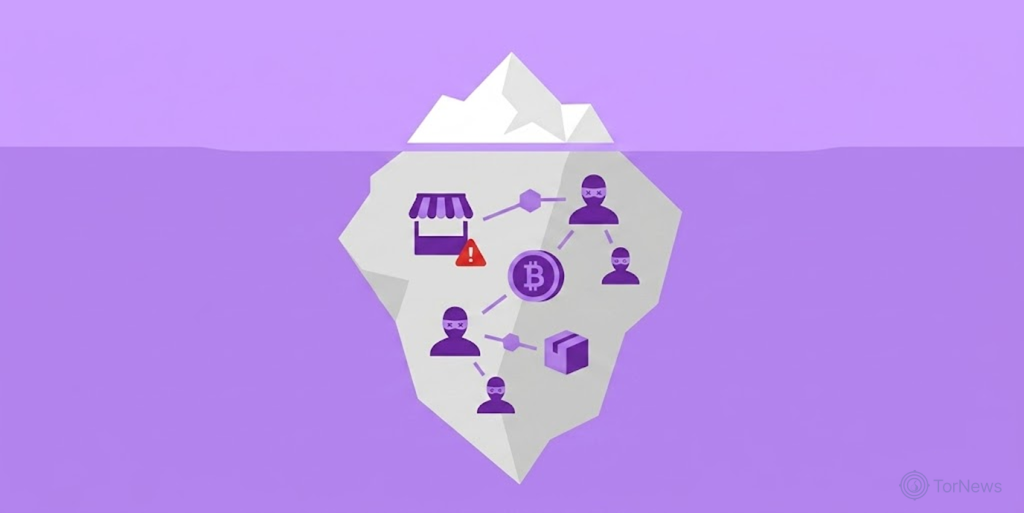
The platform was a massive digital black market that operated hidden away from the public internet. It provided an online space where users could trade prohibited goods without revealing their true identities. This portal existed entirely on an encrypted darknet, which refers to private overlay networks that require specialized software to access.
To open the marketplace website, people had to use the Tor browser client. This software hides user traffic by routing data through multiple global servers. The marketplace operated through the Tor network, which routes internet traffic through multiple relays and can make conventional traffic analysis more difficult. That privacy technology has legitimate uses, but Silk Road used it as part of an infrastructure that facilitated extensive illegal commerce. Tor does not guarantee anonymity, and using privacy technology does not shield illegal activity from investigation or prosecution.
The website served as a pioneer for the modern crypto economy. It paired anonymous web browsing with decentralized digital cash to create a completely unregulated trading hub. Its cryptocurrency legacy continues to make headlines, with over $3.1 million in Silk Road-linked Bitcoin moving from dormant wallets not too long ago in December 2025. This dangerous combination allowed the underground marketplace to grow rapidly before international police agencies finally stepped in.
The Digital Blind Spot of Internet Commerce
Traditional search engines did not index the hidden marketplace in the same way they index ordinary websites. Its limited visibility complicated conventional monitoring and helped its operators conduct illicit activity outside ordinary e-commerce channels. However, subsequent investigations demonstrated that operating on a darknet does not make a marketplace or its users immune to identification, infrastructure seizure, or prosecution.
Establishing the Cryptocurrency Ecosystem
Before this platform emerged, alternative digital currencies were mostly viewed as a technical novelty among computer scientists. The marketplace changed this perception entirely by adopting cryptocurrency as its exclusive medium of exchange. This integration proved that decentralized blockchain ledgers could successfully fuel a high-volume, global economy without relying on standard banking systems.
Who Made the Silk Road?
An American tech enthusiast named Ross William Ulbricht single-handedly created this underground marketplace. He launched this digital bazaar in January 2011 from his home in Austin, Texas. Ulbricht possessed an academic background in materials science but chose to pivot directly toward software engineering.
He developed the portal based on radical economic theories regarding absolute personal freedom. He envisioned a completely unregulated network where government oversight could never interfere with commerce. This core philosophy guided the early design and deployment of the hidden platform.
The Rise of the Dread Pirate Roberts Pseudonym
To successfully navigate his quickly growing business, Ulbricht chose to create a specific alias. He found the concept of the Dread Pirate Roberts from a character in a movie. This nickname allowed Ulbricht to publish open letters to the public defending his idea of total economic freedom, which is the reason behind his operations.
Recruiting an Underground Inner Circle
With the increasing volume of transactions, the individual businessman could not handle the everyday operational work on his own anymore. Therefore, he recruited a few developers and moderators of the system in an understated manner. The well-known moderators who were using the nicknames Variety Jones and Smedley became his closest consultants in the online space.
How Did the Silk Road Work?
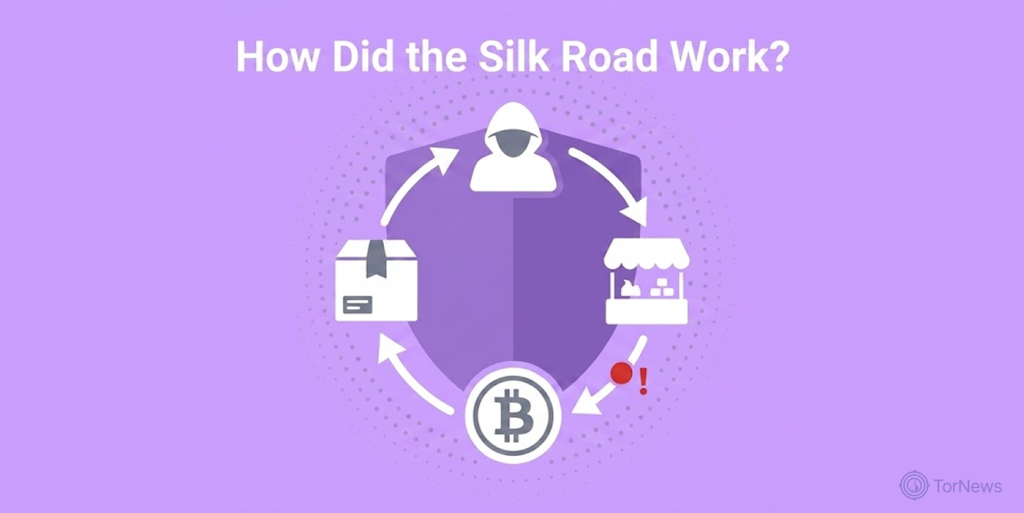
Silk Road combined Tor-based network access, cryptocurrency payments, vendor listings, reputation systems, and an escrow mechanism. Together, these features gave the illegal marketplace some of the structure associated with conventional e-commerce while attempting to conceal the identities of participants.
Navigating the Encrypted Darknet Network
Before gaining access to the business front, users had to download specific application software. The website used a cryptic address format that regular browsers could not process. The routing procedure concealed the user’s real geographical position and IP address from prying eyes. This entire ecosystem exists within the deep web, a vast portion of the internet that remains invisible to traditional search engines.
Payments and Transactions
Silk Road used an escrow system that temporarily held cryptocurrency payments while transactions took place. Participants still faced substantial risks, including fraud, theft, interception, identification by investigators, and criminal prosecution. The system did not make illegal transactions safe or consequence-free.
What Could Users Buy on the Silk Road?
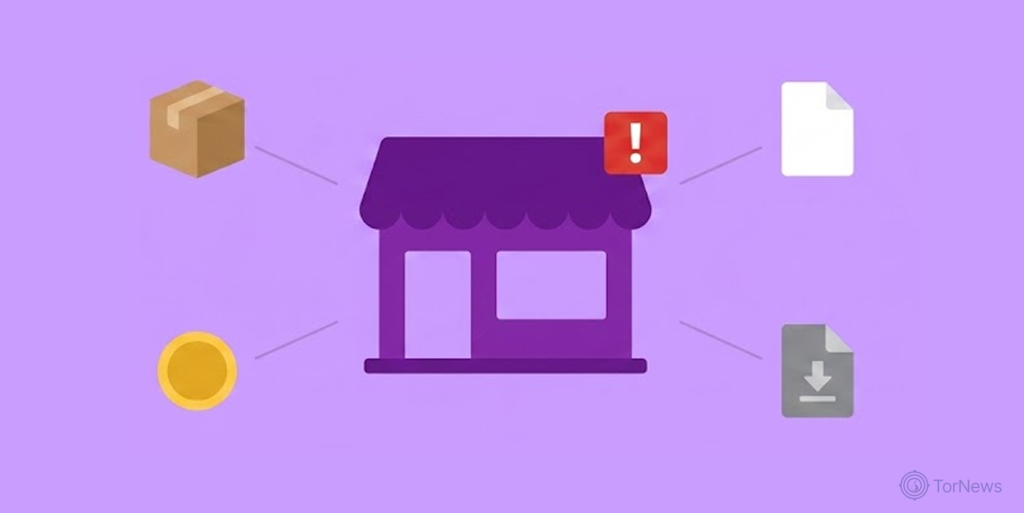
The platform served as the premier digital outlet for a vast array of forbidden merchandise. While the storefront categorized hundreds of items, certain restrictive rules did exist. The founder banned things like stolen credentials, child exploitation material, counterfeit currency, weapons, and hitman services.
Illicit Substances and Chemical Compounds
Narcotics were approximately 70% of the total subject matter offered for sale by the vendor. Customers could conveniently browse through several categories, including high-grade cannabis, stimulants, psychedelics, and prescription pills. Laboratory chemical supplies and complex growing equipment were also widely available for purchase.
Digital Goods and Specialized Forging Services
Aside from narcotics, the vendors also offered other software tools, such as malware, hackers’ tools, and pirated software keys. Also, a number of forgers provide help to customers with obtaining special documents such as fake utility bills, counterfeit driver´s licenses, and altered passports for creating new identities. Unregulated lifestyle items like banned books, unusual seeds, and high-end replica apparel filled out the remaining pages.
The Error (On Its Founder’s Side) that Ended Silk Road
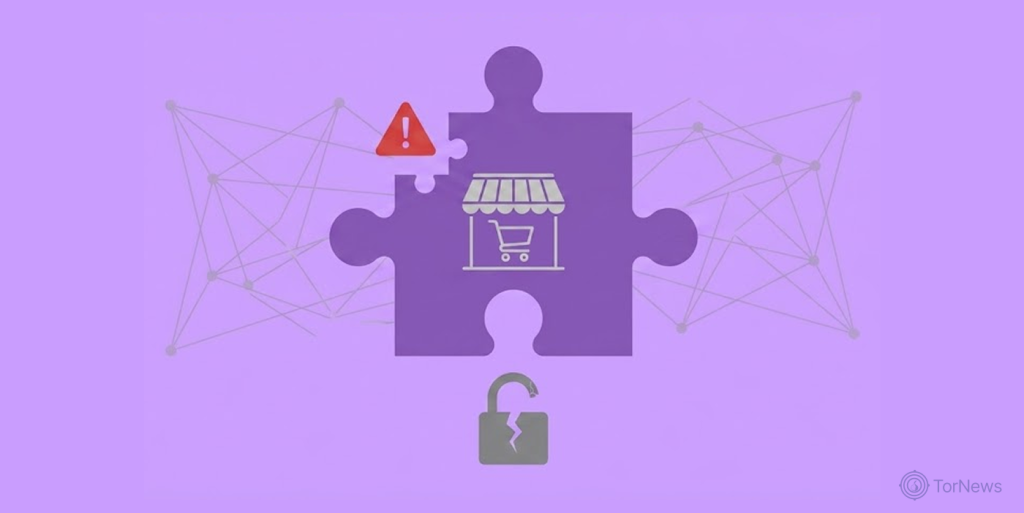
The federal government managed to trace and secure the hidden marketplace server located in Iceland. Cybersecurity experts discovered a critical configuration error on the login screen that leaked the true web location. This technical vulnerability allowed investigative teams to mirror the database records without alerting the lead site administrator.
Digital Crumbs Left on Public Forums
An investigator eventually uncovered a public post from January 2011 on a popular development forum. A user named Altoid had asked for coding assistance regarding a hidden onion website project. Crucially, this forum account listed a personal contact address containing the real name of Ross Ulbricht.
Infiltration by Corrupt Federal Agents
Internal corruption further complicated the ongoing criminal investigation. A Secret Service agent named Shaun Bridges, a Silk Road investigator, abused his administrative position to steal substantial digital funds from user accounts. He used confiscated moderator credentials to execute unauthorized crypto transfers and reset private seller account access keys.
The Arrest, Sentence, and Pardon of the Developer
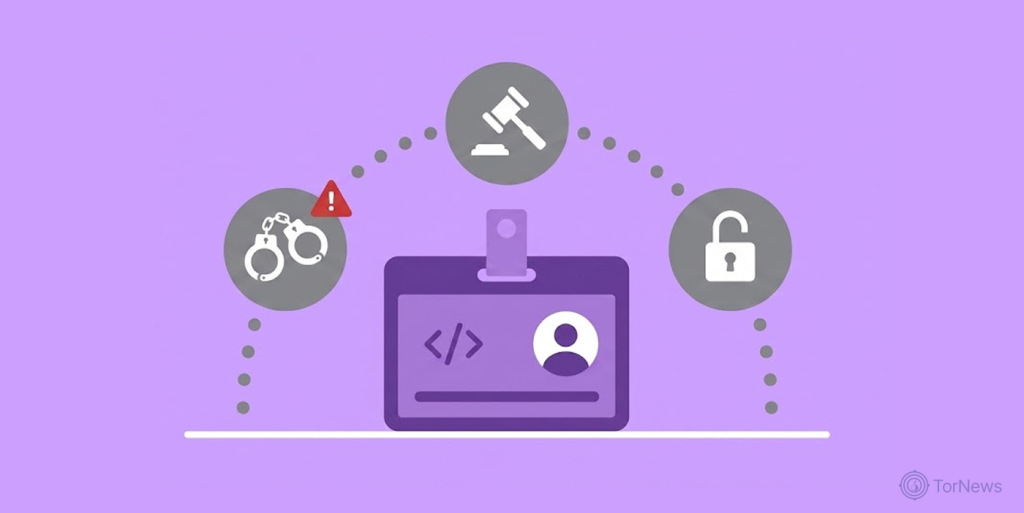
Federal agents captured Ross Ulbricht in a public library in San Francisco in October 2013. He was found guilty in a federal court in New York of numerous criminal offences that included money laundering and conspiracy in drug trafficking activities. The presiding trial judge handed down an exceptionally harsh sentence of two consecutive life terms, plus forty years without parole.
Advocacy groups and digital privacy organizations heavily criticized this extreme penalty for over a decade. They argued that the punishment associated with this case is unconstitutional, particularly in light of the fact that the person has no history of violent crimes. This massive legal push eventually culminated in a historic presidential action early last year.
The outgoing president granted Ross Ulbricht a full executive pardon, commuting his sentence to time served. This dramatic legal turn allowed the controversial marketplace creator to walk free after twelve years behind federal bars. His high-profile release instantly closed one of the most polarizing chapters in internet security history.
Silk Road 2.0 and the Copies
The unexpected shutdown of the original website caused several problems for users on the dark web. After a few weeks of the closure, the former operators and administrators created another website named Silk Road 2.0 to take over the lost market. This new website mirrored the layout and coding of the old one; this was done particularly to quickly win back anxious buyers.
Enhanced Security and Immediate Failure
The operators of Silk Road 2.0 introduced additional security measures intended to make accounts and communications harder to compromise. Those measures did not prevent law enforcement from investigating the operation. In November 2014, authorities targeted the marketplace during Operation Onymous, seized infrastructure, and arrested its alleged operator.
The case reinforced a recurring lesson in darknet investigations: technical privacy measures can complicate attribution, but they do not guarantee protection from infiltration, operational mistakes, infrastructure seizures, or criminal investigation.
The Rise of Decentralized Marketplaces
The collapse of the second version forced the underground economy to move away from single centralized targets. So, the newer platforms adopted multi-signature cryptocurrency wallets and decentralized network architectures in order to address issues.
What Has Replaced Silk Road as the Biggest Dark Web Marketplace
Although no single dark web marketplace has replaced the dominance of the early darknet markets permanently, platforms like AlphaBay initially gained significant attention before disappearing. In general, the Silk Road Dark Web market gave rise to an extremely profitable underground global trade that continuously adapts and continues today.
Rather than relying on a single broad marketplace to buy and trade, modern digital black markets are much more likely to specialize in specific types of illicit goods or unique decentralized transaction systems. As long as there remains a steady supply and demand for forbidden commodities, it seems that darknet platforms will always find a way to exist.
Some modern portals directly imitate the classic layout of the original platform, while others innovate entirely new administrative structures. Here are a few of the biggest dark web marketplaces that replaced the Silk Road platform:
1. Awazon Market
In the wake of all historical darknet platforms collapsing, the contemporary underground economy has evolved even further. Awazon Market has stepped forward as a highly resilient multi-purpose hub on the dark web. It hosts over 50,000 active listings across traditional legal and illegal (mostly) categories. It relies on rotating, onion network configurations to survive ongoing cyber-attacks and infrastructure pressure.
Simultaneously, platforms like the Russian Market have completely moved away from physical goods to specialize exclusively in corporate data theft. While forbidden drugs and stolen credit cards listings are a norm on Awazon, like any other illegal underground market, this platform also operates as a global clearinghouse for compromised credentials and browser cookies harvested by malicious info-stealing software.
Government databases have become prime targets for such data-driven attacks, with hackers recently claiming to have breached a national portal and leaked 51,000 sensitive records. This specialized pivot proves that the legacy of the Silk Road Online model has permanently shifted toward data-driven cybercrime ecosystems.
2. AlphaBay Market
Taken down by international law enforcement during Operation Bayonet, AlphaBay was officially re-launched and re-engineered. This marketplace famously featured a dynamic, auction-style listing system closely resembling eBay.
All financial transactions were processed through a secure, internal escrow service. Unlike the original marketplace model, AlphaBay adapted to security demands by accepting alternative privacy-focused forms of cryptocurrency in addition to Bitcoin.
The platform eventually ceased all operations, leaving security experts to debate whether it suffered a law enforcement raid or an internal exit scam.
3. Vortex
Operating as one of the largest “all-purpose” dark web marketplaces, Vortex features traditional narcotics alongside a massive selection of counterfeit retail items. Buyers frequently use the portal to source fake jewelry, gold, unauthorized software utilities, and carded financial items acquired through illegal credit card purchases.
Vortex has intentionally structured itself as a collaborative community project, directly including active buyers and vendors in the ongoing technical development of the platform software.
An important note here:
Modern illicit online markets have become more fragmented and specialized than early marketplaces such as Silk Road. Some criminal services focus primarily on stolen data, compromised accounts, payment information, or other digital assets instead of physical contraband.
For cybersecurity researchers, this shift matters because it shows how cybercrime has evolved from broad underground marketplaces into more specialized ecosystems. These services remain illegal and can expose participants to fraud, malware, financial loss, investigation, and prosecution.
What Silk Road Left Behind
The historical legacy of the first prominent digital black market goes far beyond its role as an illegal shopping catalog. It established the primary structural blueprint for anonymous cybercrime, modern decentralized finance, and international digital asset tracking.
Real-world Stress Testing for Cryptocurrency
Before the market emerged, decentralized digital tokens were largely viewed as an abstract mathematical experiment confined to academic programming forums. The platform fundamentally changed this status by adopting cryptocurrency as its exclusive medium of exchange.
This implementation forced alternative currencies to undergo intense real-world scaling tests. Millions of transactions showed that blockchain technology could be able to support a digital economy without relying on traditional banks or central authorities.
Forcing the Evolution of Blockchain Analytics
The explosive growth of the site also presented a severe challenge to global law enforcement agencies, which forced them to rapidly develop completely new forensic techniques. Federal investigators had to stop relying on tracking cash and instead develop advanced tools to trace transactions on public blockchains.
This technical evolution led directly to the creation of the modern blockchain intelligence sector. Today, specialized software can trace digital funds across thousands of mixed addresses, a capability that permanently altered the relationship between internet privacy, corporate cyber defense, and global financial tracking.
Silk Road Still Online in 2026?
A common question among technology students and security enthusiasts is whether the original portal remains operational via some hidden network gateway. The short answer is no, it’s not. The historical Silk Road Online darknet marketplace is entirely defunct, and any digital portal claiming otherwise is a dangerous deception.
Readers should avoid websites, social-media accounts, or messages claiming to provide a restored Silk Road address. Criminals can exploit recognizable darknet brands for phishing, cryptocurrency theft, malware distribution, and credential harvesting.
Silk Road itself is gone, but the dark web is much broader than this one marketplace. Our overview of top dark web sites today explores the wider landscape, including legitimate resources, common site categories, and the security risks users should know about.
Seizure of the Core Infrastructure
The original database infrastructure, structural source code, and onion domain routing keys were entirely dismantled and seized by federal law enforcement agencies over a decade ago.
The original dark web link no longer resolves to an active marketplace backend. Since the dark net functions under strict rules of anonymity, new cybercriminals can use the same branding to launch operations on malicious cloned websites. Scammers can also create fake websites to trick people into sending cryptocurrency or stealing their login details.
Fake government portals are another growing threat, with one such site recently collecting and leaking the passports and personal documents of 1,100 Bangladeshi citizens.
The Clear Web Naming Coincidence
When searching for the phrase on standard internet browsers, users will often encounter active links directing them to an entirely legitimate site called Silk Road Online. It should be made clear that this surface web result is nothing but a massive multiplayer online game, called MMORPG.
This role-playing game has operated on many public commercial servers for many years. Also, the commercially available fantasy game shares the same name but has no organizational, operational, or historical links to the dark net marketplace that originated from Ross Ulbricht. The actual cybercrime hub has no active links remaining online.
Silk Road Website Archive
The original Silk Road marketplace no longer exists. Researchers interested in its historical appearance and operation can instead consult reputable news archives, court records, academic research, documentaries, and preserved reporting about the case. These sources provide historical context without requiring readers to search for purported copies of the defunct marketplace.
Notably, several narratives and documentaries about the platform came up following its shutdown.
For instance, the Silk Road Dark Web movie came through a 2021 thriller titled Silk Road. The movie dramatized the true tales behind the drug and illegal operations of the dark web marketplace.
Similarly, Silk Road Reddit exists, comprising different communities on Reddit, with each active subreddit serving a completely unique audience. For true crime and tech history enthusiasts, r/SilkRoad focuses heavily on the infamous, defunct dark web black market.
Although law enforcement shut down the original online marketplace, the story surrounding the marketplace never ceased. Today, active Reddit members discuss the ongoing legal aftermath, recent media documentaries, cybersecurity topics, and the history of its founder.
The Silk Road Today
The Silk Road may no longer exist as a single network of caravan trails, but its influence on global trade remains stronger than ever. What once carried silk, spices, precious metals, and cultural ideas across continents has evolved into a modern system of highways, railways, ports, and logistics corridors connecting Asia, Europe, and the Middle East.
Today, many of the ancient Silk Road routes support the movement of electronics, machinery, textiles, and other goods through high-speed freight rail and international shipping networks. These modern transport links have significantly reduced travel times, making cross-border trade faster and more efficient than at any point in history.
Beyond commerce, the Silk Road continues to shape cultural exchange and tourism. Historic cities such as Samarkand, Bukhara, and Kashgar attract millions of visitors each year, offering a glimpse into the rich heritage of one of the world’s most influential trade networks.
Although camel caravans have become part of history, the Silk Road’s legacy lives on through modern infrastructure, international trade, and economic cooperation. Its transformation from an ancient trading route into a global transportation corridor demonstrates how a centuries-old network continues to connect people, markets, and cultures in the 21st century.
Conclusion
Silk Road represents a pivotal chapter in modern internet history. By combining anonymity-oriented networking, cryptocurrency, marketplace software, and online reputation systems, it demonstrated how technologies developed for legitimate purposes could also support large-scale illicit commerce.
Its lasting significance lies less in the marketplace itself than in what followed. Law enforcement agencies developed new digital investigative techniques, blockchain analysis became an important forensic discipline, and cybersecurity researchers gained a clearer view of how anonymous online economies evolve.
Silk Road is gone, but the problems it exposed remain relevant. Darknet markets, cryptocurrency-enabled crime, stolen-data economies, phishing, malware, and online fraud continue to evolve. Studying that history helps researchers, journalists, policymakers, and everyday internet users understand those risks without endorsing the criminal activity behind them.
FAQs
Silk Road is the first major decentralized digital black market, and Ross Ulbricht developed the platform back in 2011. It allowed users to sell and buy illegal goods without any governmental control. It worked on the basis of the Tor network to hide the location of users, and it enabled money transfers using Bitcoin. Nowadays, Silk Road is not functioning anymore because federal enforcement seized the main server and domain keys.
There is no such link any longer. All the websites claiming to have a connection to the marketplace are traps set by hackers to steal the money and personal details of victims. The Silk Road Online domain was destroyed by international law enforcement agencies over ten years ago. If you search the net using conventional browsers today, you only see references to a computer game unrelated to the above-mentioned marketplace.
Silk Road’s closure did not end darknet commerce. Instead, other illicit marketplaces repeatedly appeared, disappeared, were seized by authorities, or collapsed through fraud and internal disputes. Some attempted to recreate broad marketplace models, while others specialized in particular categories of cybercrime or illicit goods. This fragmentation also changed the threat landscape. Some underground services shifted their attention toward stolen credentials, compromised accounts, malware-derived information, payment data, and other forms of digital contraband rather than simply reproducing Silk Road’s original model. Readers should treat claims about currently operating darknet marketplaces cautiously. Their names, operators, addresses, and operational status can change rapidly, while phishing sites and scams routinely impersonate recognizable marketplace brands. For that reason, we focus on the broader cybersecurity trend rather than directing readers toward active illicit services.
While early darknet portals functioned like a broad e-commerce superstore for physical contraband, the modern ecosystem has fractured into highly specialized data-clearing hubs. For example, the notorious Russian Market focuses exclusively on digital access assets rather than physical mail-order narcotics. It operates as a global wholesale platform for compromised corporate credentials, identity-linked payment cards, and malware ‘stealer logs’ that allow malicious threat actors to execute devastating network takeovers.
Shaun Bridges was an alleged corrupt officer in the Secret Service. He was in a federal agency team involved in the investigation of the dark-web marketplace. Acting as a Silk Road case investigator, he misused his senior authority and transferred large amounts of digital money from the accounts of some persons. His illegal behavior made it hard to start legal proceedings, but his trickery eventually came to light via forensic blockchain technology, leading to his arrest and imprisonment by the federal government.