Staying anonymous on the dark web goes far beyond simply using the Tor Browser. As online surveillance becomes more advanced, users who rely on basic privacy tools often leave behind digital footprints without realizing it.
From encrypted communications and identity compartmentalization to secure payment methods and traffic obfuscation, experienced dark web users rely on a range of advanced techniques to remain hidden. These methods minimize tracking, reduce exposure, and protect your real-world identity from modern monitoring technologies. Together, they strengthen both privacy and anonymity. While privacy helps control what information others can collect about you, anonymity makes it much harder to connect your online activity to your real identity. You need both to reduce your digital footprint and stay better protected on the dark web.
This article explores the most effective anonymity techniques people use on the dark web today, explaining how they work, why they matter, and how they differ from standard online privacy practices.
Why Anonymity is Critical on the Dark Web
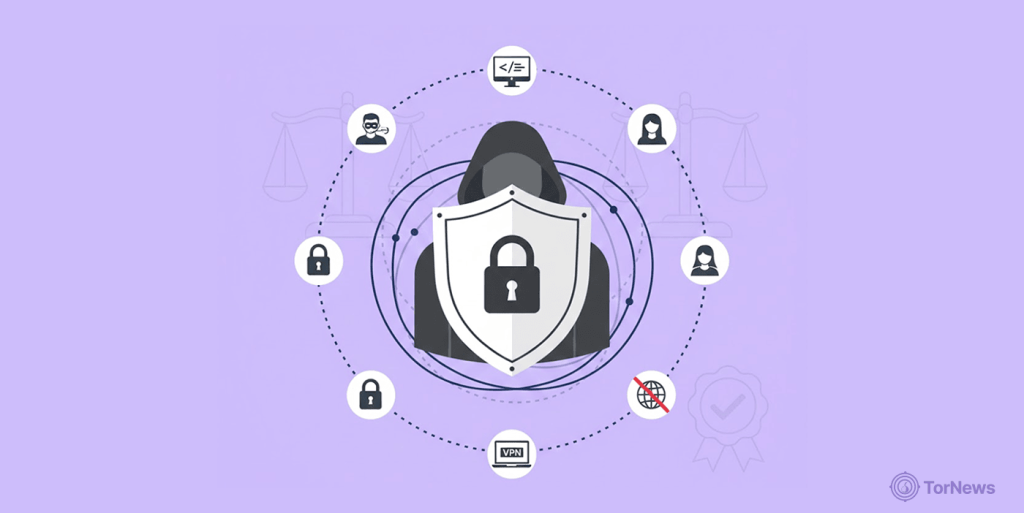
The dark web is often misunderstood as a lawless space, but in reality, it is heavily monitored by a wide range of actors. The scale of this monitoring, along with the sheer volume of illicit transactions and users, is revealed in our comprehensive report on dark web statistics. Law enforcement agencies, intelligence services, cybercriminals, and private surveillance firms all actively observe darknet activity. Even a small operational mistake can expose a user’s real-world identity.
Unlike the surface web, where platforms offer some level of built-in protection, the dark web places full responsibility for security on the user. Every connection, interaction, and configuration choice carries potential risk. If you don’t follow strong anonymity practices, others can use your digital traces—like traffic patterns, browser fingerprints, or behavior—to link your activity and deanonymize you.
This is why experienced users rely on layered anonymity rather than a single tool. Combining technologies like Tor, encrypted connections, and network obfuscation helps reduce exposure and makes tracking significantly more difficult. People use the dark web for many different reasons, from protecting sensitive communications and conducting security research to preserving privacy under restrictive environments. Regardless of the purpose, maintaining strong operational security and consistent anonymity practices is essential for reducing unnecessary risks.
Building a Strong Anonymity Foundation
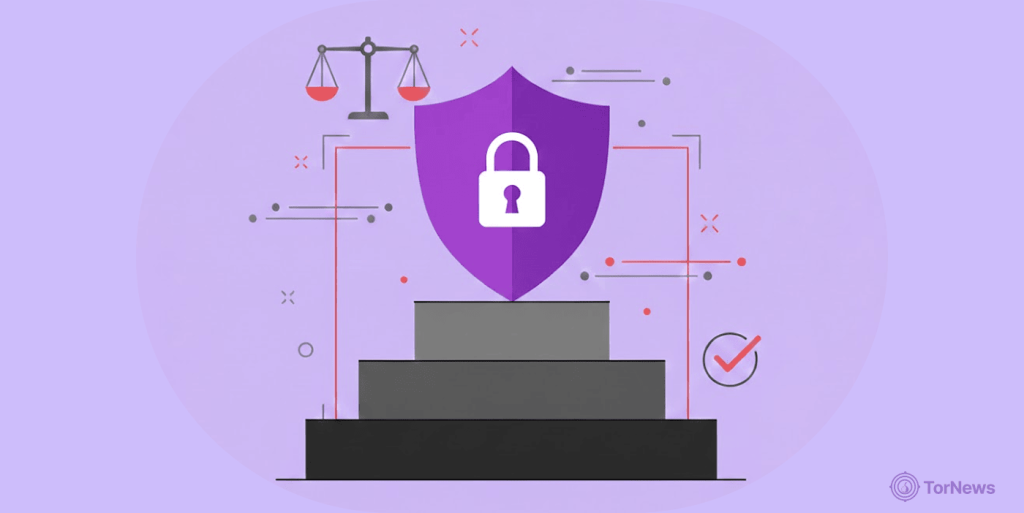
Anonymity on the dark web comes from layering multiple tools, not relying on just one. Relying on just one privacy solution can create a false sense of security, as modern surveillance often targets traffic patterns, setup mistakes, and user behavior rather than direct identification.
A common starting point is combining a no-logs VPN with the Tor Browser. If you’re unsure how these privacy tools differ or whether you should use one instead of the other, read our Tor vs VPN comparison before choosing the setup that best fits your needs.
Tor, short for The Onion Router, protects your identity by routing internet traffic through multiple encrypted relays before it reaches its destination. When paired with a VPN, your traffic is encrypted before it enters the Tor network, helping hide Tor usage from your ISP and local networks. A detailed comparison of Tor Browser and its alternatives, like I2P and Freenet, covering their security, use cases, and setup, can be found in our article on dedicated dark web browsers. Tor then routes that traffic through several relays, making it far more difficult to trace back to you.
In countries where Tor is blocked or closely monitored, obfuscated bridges help disguise Tor traffic as normal internet activity, allowing users to bypass restrictions and reduce detection. They also make it more difficult for observers to identify the Tor traffic source, reducing the chances of your connection being flagged simply because it appears to originate from the Tor network.
Some users also turn to alternative dark web networks like I2P and Freenet for specific tasks. If you want to understand how these networks compare with Tor and when to use each one, explore our guide on types of dark web networks. I2P focuses on peer-to-peer anonymity, while Freenet enables anonymous file sharing and content hosting through encrypted, decentralized storage. These tools don’t replace Tor but can add extra protection in certain situations.
Good browser hygiene is equally important. Scripts, cookies, and trackers are often used for fingerprinting. Limiting JavaScript, avoiding unnecessary browser changes, and keeping a clean setup help reduce the data that can be used to identify you.
Together, these steps form the foundation of dark web anonymity. While they don’t make you invisible, they significantly lower your risk and prepare you for more advanced operational security techniques. The most effective anonymity tools work best when you combine them into a layered strategy rather than relying on a single application. Using Tor alongside a VPN, encrypted communications, and strong operational security creates a far more resilient defense against tracking and surveillance.
Separating Online Identities on the Dark Web
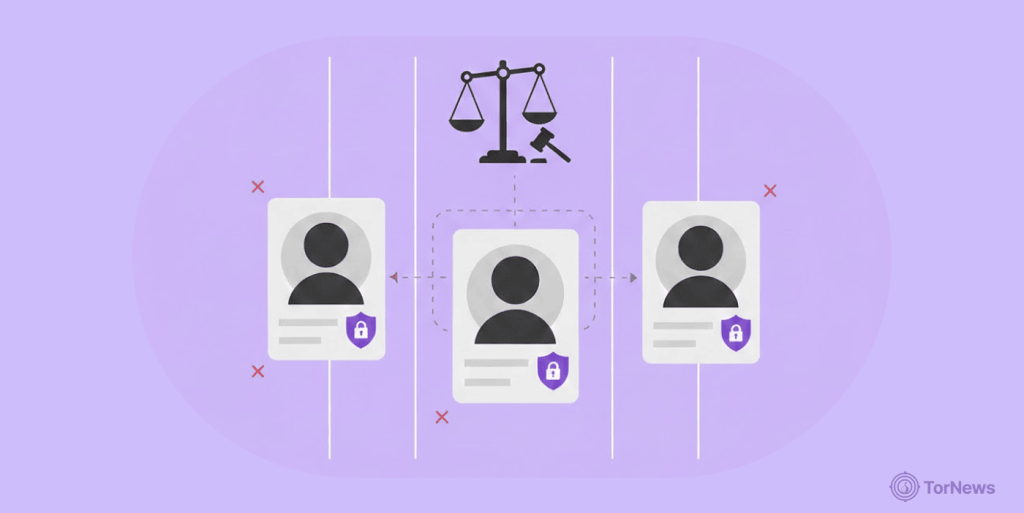
The best bet to maintaining an anonymous profile on the dark web is by compartmentalising your online identities. Consider using multiple personas: for instance, an activist online, a researcher in his spare time.
The goal is to separate your online identities so that they never overlap, which is accomplished by using “identity compartmentalization”. This is one of the most commonly used methods to prevent cross-contamination.
Your first step should be to assign a unique email address, wallet address, and device(s) to each of these “personas”. If you’re working on a high-risk project, assign it a dedicated computer or boot from a Tails USB drive. Tails is an operating system for anonymity that routes internet traffic through Tor and leaves little to no trace on the computer after you shut it down. Using a dedicated operating system instead of your everyday environment helps reduce data leakage and strengthens your overall operational security.
You can use virtual machines to keep personas separate; however, nothing beats the physical isolation of hardware (e.g., different devices for every job). It can be more expensive, but if you truly care about anonymity on the dark web, it is well worth the investment.
In addition to technology, there is also a great deal of significance to your behaviour. Develop distinct individual habits for each individual identity. This may include the time at which you publish the post on the dark web, the kinds of vocabulary you use, and the grammatical errors made.
Unknowingly, you might make a behavioral mistake, such as mentioning the same slang across several accounts on the dark web. However, analysts could conduct a behavioural analysis and connect all of those accounts.
Keep track of this information in an encrypted notebook. For instance, “Persona A has a business language style and is online at 9 PM EST.” By doing it this way, you will maintain consistency across the personas you have created. You will also avoid those oh-no moments that could destroy everything you’ve created.
Network-Level Anonymity and Surveillance Avoidance
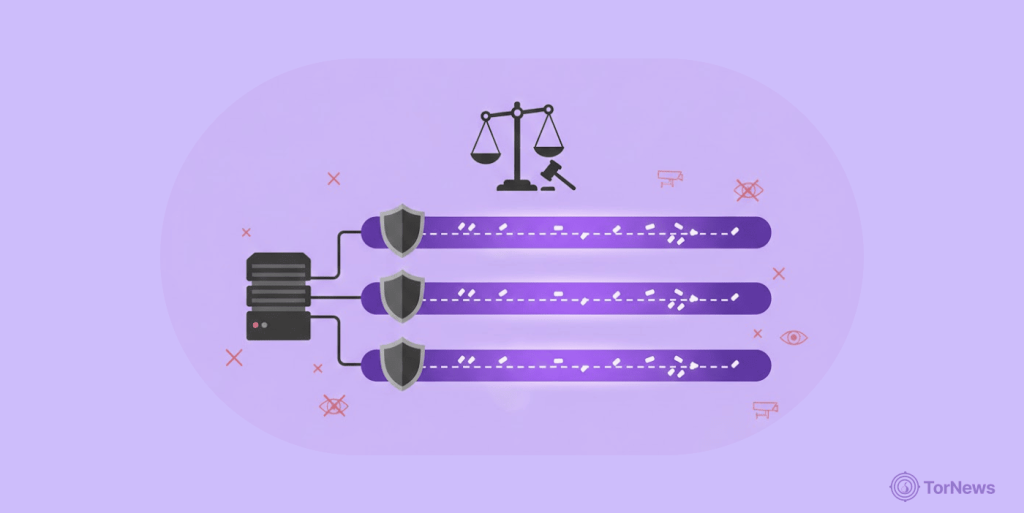
Savvy darknet users also understand that the only way to keep their connection safe is by using network layer isolation. Smart users will utilize Tor’s default circuits. They will even create as many instances of Tor as possible by configuring them with different entry guards for every transaction.
By increasing the number of entry guards, your traffic will be distributed across all of these different routes. Thanks to this, adversaries will have a tough time trying to build a profile of your online activity.
Using fake packets will enable you to hide your data stream by including unwanted traffic in it. You can add additional packets to your online data stream in a way that makes it look like you are just surfing the internet.
Generally, you can use the tools that are built into Tor. But, if you are looking for more power to hide your traffic, then you can consider padding the packets uniformly at the protocol level via SSH and/or TLS.
The location of your activity is also significant. Use various locations, including libraries, coffee shops, and other places, to prevent any future associations between your activities and a specific range of IP addresses.
Additionally, if you’re using a VPN together with Tor, consider choosing a ‘no-log’ policy provider based in a privacy-friendly country. Using the above methods will provide you with privacy on the dark web, allowing you to create misleading data to any potential surveillants.
Timing and Activity Patterns for Better Anonymity
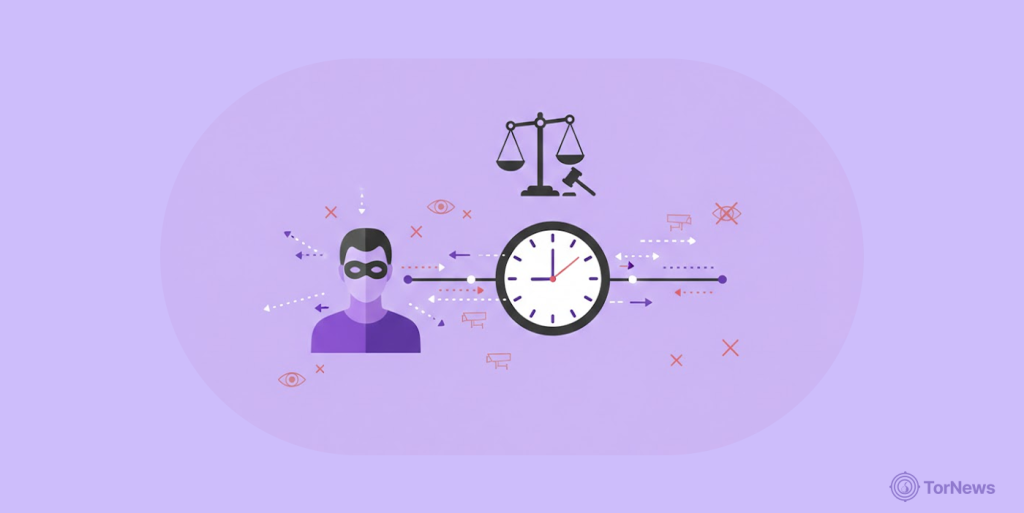
Have you ever heard of separate temporalities? This method is an effective but indirect method of maintaining anonymity on the dark web.
Identification algorithms can easily deduce that you are “the same user” if you move between two usernames in a short amount of time. Creating time gaps of hours or days creates “noise” in the correlation process and gives you an opportunity to check that your setup is still correct.
Picture a spy novel where you throw your following off track with unexpected patterns. Stay away from repeatable schedules such as clockwork and change up your online times to have some anonymity among all other internet users.
Although this method is straightforward, you can combine it with others to boost your anonymity.
Securing Communications and Financial Transactions
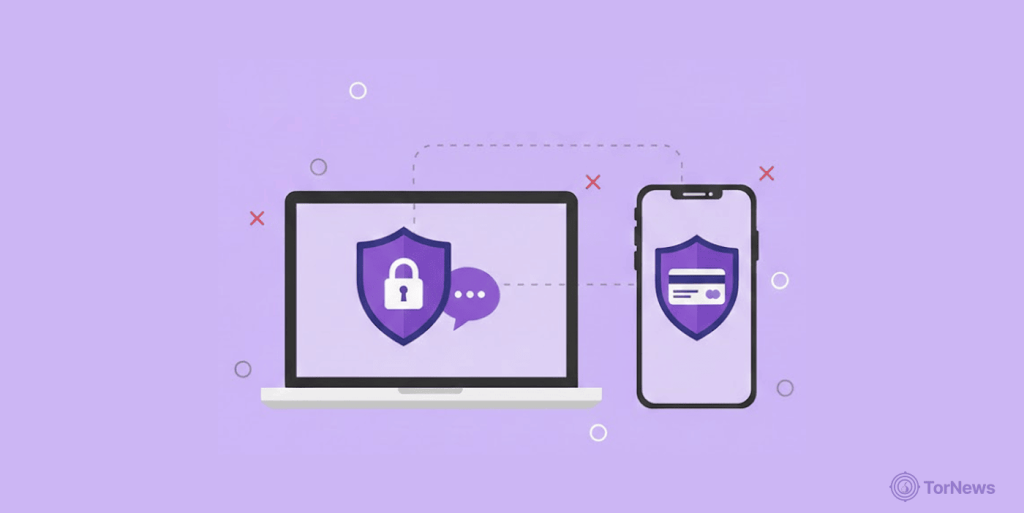
Advanced anonymity techniques utilized for Dark web communications require absolutely nothing when it comes to Communication Security.
All personas have separate PGP Key(s), encrypted messaging apps (such as Signal over Tor), and Email Providers. Avoid using your personal accounts for communication, as doing so creates a direct connection that others can exploit.
Consider utilizing Third Party Intermediaries; however, try to limit your use of this technique as much as possible. Identities, like finances, should utilize separate crypto wallets and consistently use services to “mix” coins to alter (break) the blockchain transaction trail.
The use of privacy coins such as Monero will offer better protection against revealing transaction details compared to Bitcoin. In addition, do not send directly to/from your wallets. Privacy-focused cryptocurrencies such as Monero offer stronger protection for transactions on the dark web because they conceal wallet addresses and transaction details more effectively than Bitcoin. Even then, avoid sending funds directly between wallets you control, as predictable transaction patterns can still reveal connections that investigators or blockchain analysis tools may identify.
So, creating permanent records of this is bad. There are currently methods/tools for creating transaction charts on the other side. Therefore, by keeping all flows unpredictable, you can successfully offset them.
Physical Security and Contingency Planning
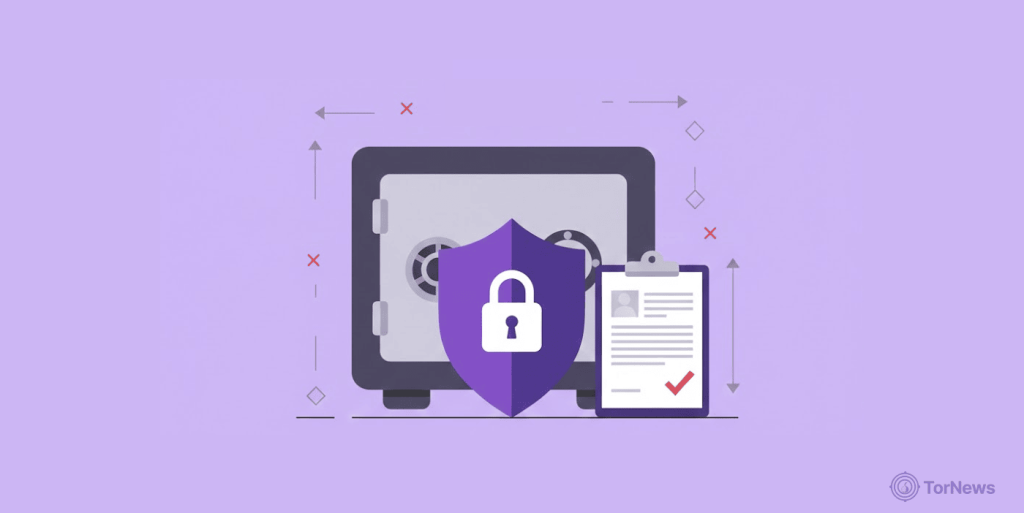
The physical aspect of security is very important to protect yourself and your identity. Encrypt your backup files inside a secure container and use a unique password for each identity.
The use of hardware lock-downs on your computer, plus the use of a locked device for each identity, prevents one failure or compromise from cascading into multiple failures or compromises.
Prepare for the worst-case scenario: losing one of your identities. Plan to quickly “burn” or discard any compromised identity. Assess potential damage to your other identities and practice your emergency response regularly to stay ready.
Being in a panic creates poor decisions; regular practice of drills and planning will help keep you calm in a crisis.
Preventing Fingerprinting and Deanonymization
When considering sophisticated privacy on the darknet, you have to avoid deanonymization tricks by being smart about it.
Make sure you delete metadata from any document or image before uploading it. Software programs like ExifTool allow you to do this easily. Also, edit your browser fingerprint by using the default settings on your browser rather than installing custom browser extensions.
To avoid AI stylometry, write in a variety of different styles intentionally. For cryptocurrencies, use patterns that are resistant to clustering instead of using KYC exchanges.
Assume that cross-platform graphing is a factor, so do not use the same username or habits on multiple sites.
Using I2P and Freenet Alongside Tor
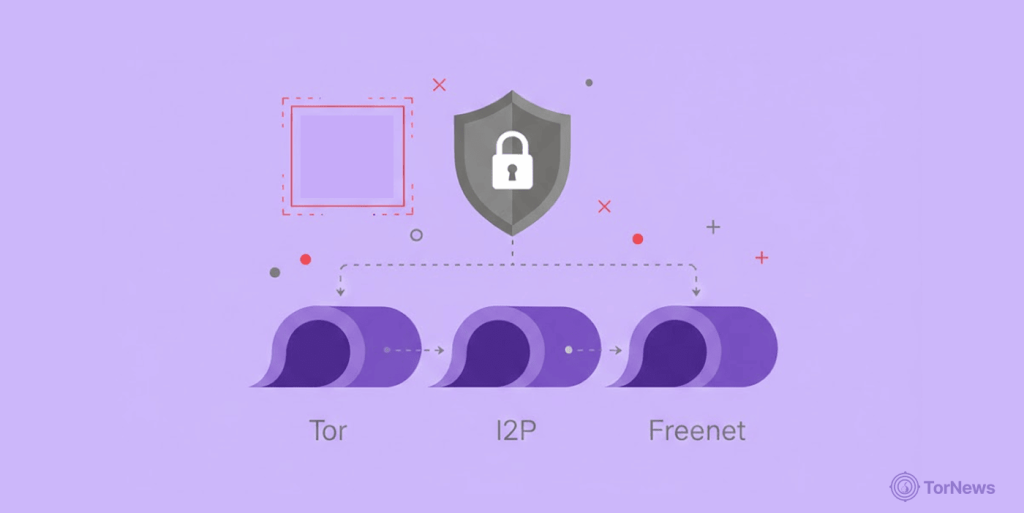
When you access the dark web with Tor, your traffic passes through a network designed for anonymity, making it much harder to trace your online activity. Combining Tor with I2P or Freenet adds even more layers of protection because each network uses a different approach to preserving user privacy, securing communications, and reducing the risk of surveillance.
The I2P tunneling system rotates every ten minutes and uses distributed databases to provide router-related information with no central point of failure.
Freenet shines as a way to anonymously publish content, while providing “keys” (cold keys) that verify the integrity of the content, but obscure the origin.
Unlike a traditional search engine such as Google or Bing, Tor, I2P, and Freenet don’t rely on centralized indexing to help users discover content. Most .onion services remain invisible to conventional search engines, which is why users often depend on specialized onion search tools, curated directories, or trusted community recommendations to find active resources.
Each of these networks serves different parts of the dark web. While Tor remains the most widely used for accessing .onion services, I2P excels at peer-to-peer communication, and Freenet focuses on anonymous publishing and decentralized file storage. Understanding their strengths helps you choose the right tool for your privacy needs.
OPSEC Mastery: The Human Element in Anonymity
At the core of everything is OPSEC, operational security. Isolate your workspace. Don’t multitask; don’t use a personal Operating System (OS) for any activity related to the dark web. Only observe.
Conversations can put you at risk. Limit your session time and download nothing. Question everything. The majority of law enforcement ‘busts’ occur as a result of human error; therefore, human discipline will always outweigh any tool.
Closing Word
Implementing advanced anonymous techniques on the dark web requires a sustained effort over time. The limited number of identities can be actively maintained before they burn out. It’s crucial to put first things first by prioritizing those elements closest to your highest point of contention when establishing the anonymous “lifestyle.”
Using the methods of discipline and compartmentalization, combined with the methods available, including manipulating the traffic you generated with your existing anonymity, to safely navigate the dark web. Sustainability is key. We strongly recommend that you understand the threats you face and stay informed by following experts who report on the latest risks. All advanced techniques assume a solid grasp of your primary tools, starting with a clear understanding of whether the Tor Browser is safe to use and how to configure it properly. If you’re just getting started, read our dark web basics guide before implementing more advanced operational security practices.
FAQs
While Tor offers strong privacy benefits, you should not rely on it alone. Use it alongside a VPN, bridges, and alternative networks like I2P for stronger anonymity. This way, you will be less exposed to the risk of traffic analysis and fingerprinting.
You will need to do various things to improve online anonymity and security on the darknet. Combine Tor with a reputable zero-logs VPN service. Also, compartmentalize various online identities with varying personas for personal/work use. You can also ensure that you remove any metadata from files before uploading them to the darknet, and ensure to follow strict operational security measures.
If you don’t implement privacy methods on the darknet, online entities can easily trace your activity and pinpoint your identity. But ensure not to conduct any illegal activities on the darknet, as prosecutors can trace your online activity back to your real device. You may face charges.
If you’re using Tor Browser, turn off JavaScript, do not adjust any other settings. Also, use the default browser settings, do not install browser extensions, and rotate your Tor setups frequently. Additionally, tools such as traffic morphing will also hide your unique digital fingerprint