-
Texas Congressman Tony Gonzales teams up with Congressman Chris Pappas from New Hampshire to introduce the Dark Web Interdiction Act.
-
The bill includes increased prison sentences for those selling drugs through dark web channels and forming a permanent J-CODE task force.
-
Over 200 individuals have been arrested, and law enforcement has impounded millions of dollars worth of merchandise from nefarious organizations.
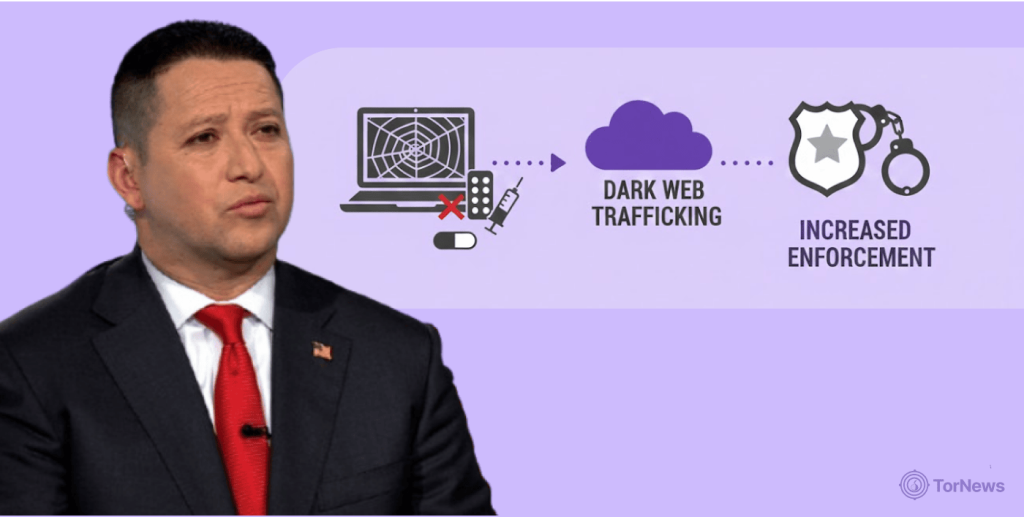
/In the fight against the rising number of fentanyl sales online, Texas Congressman Tony Gonzales teams up with Congressman Chris Pappas from New Hampshire to frame a bill to shut down online trafficking networks for drugs on the dark web.
This move is part of a broader legislative push in Congress to combat the use of hidden internet platforms for drug trafficking. The aim is to create greater accountability for vendors using anonymizing platforms to transport controlled substances throughout the United States and provide more stringent penalties to deter such behavior.
The Dark Web Interdiction Act as a Law Enforcement Instrument
Gonzales characterized the legislation as a necessary means of supporting investigators pursuing cases on the darknet. His office said the measure “will provide law enforcement officers with the tools necessary to pursue those individuals that are selling drugs behind multiple layers of digital anonymity.” He noted that it is a combined effort to equip local, state, and federal law enforcement agencies with the best possible means by which to locate, apprehend, and prosecute online drug traffickers.
The proposed legislation requires the U.S. Sentencing Commission to enhance the penalties imposed on those convicted of trafficking in illegal drugs through the use of darknet resources. This creates an additional category of punishment for drug dealers who intentionally take advantage of the multitude of anonymous internet technologies available to distribute illegal narcotics.
The proposed legislation also provides for the continuation of the Joint Criminal Opioid and Darknet Enforcement (J-CODE) Task Force. The multi-agency team was created by the FBI and the Department of Justice in order to aid law enforcement agencies in coordinating their investigations of darknet markets. Up until now, J-CODE has existed only as a temporary task force.
Rep. Pappas introduced the legislation in the House, with Rep. Gonzales being listed as a co-sponsor of the bill. The bill has been referred to several House committees for further consideration. The full text and tracking information are available on the Congress.gov website.
Third Party Assessments Tag J-CODE “Effective” Against Online Dealers
Third-party evaluations confirm that J-CODE is an effective tool in identifying and dismantling the illegal activities taking place on the dark web, with the federal authorities stating that they have arrested hundreds of individuals since the establishment of this task force. The J-CODE team has also seized significant amounts of drugs and cash from darknet vendors who were trafficking drugs from one country to another.
One example of the major impact of J-CODE is an operation that resulted in dozens of arrests and the seizure of approximately 300 kilograms of illegal drugs and millions of dollars in cash and Cryptocurrency from darknet vendors.
The J-CODE operations focus on the “big picture” of drug trafficking on the dark web. In other words, instead of going after individual dealers, J-CODE dismantles all of the online marketplaces where thousands of illegal transactions occur on a daily basis.
The proven success of J-CODE operations is one reason why J-CODE supporters would like to make this task force a permanent program. However, funding for temporary programs is often unstable and uncertain, and making J-CODE permanent will provide a reliable source of federal attention to the issues associated with darknet trafficking.
Momentum Builds up Amid Bill Approval
Senators Maggie Hassan and John Cornyn sponsor similar bills in the Senate. This coordinated effort between the House and Senate could shoot up the chances of passing the bill by Congress. According to Supporters, their focus is to disrupt International Cybercrimes, particularly the trafficking of fentanyl via various anonymous mediums.
Both versions of the bill will face several legislative challenges before becoming law. Several House committees must approve the bill before the House of Representatives can vote on it. The Senate bill will follow a similar path through the Senate Committees.
El Paso media outlets reported that Gonzales’ announcement and his new legislation directly impact the local community by targeting the trafficking of fentanyl products ordered online through the dark web.
Many supporters of Gonzales’ bill believe that enacting the J-CODE and implementing stricter sentencing guidelines provide prosecutors with greater leverage over drug trafficking organizations that conduct their operations via the Dark Web.
