-
The FBI’s Recovery Asset Team froze $679 million of the $1.16 billion in attempted theft it handled in 2025.
-
Time matters most. Call your bank first, then report the theft at IC3.gov, ideally within 48 hours.
-
The team works mainly on bank transfers. It cannot recover every kind of stolen money.
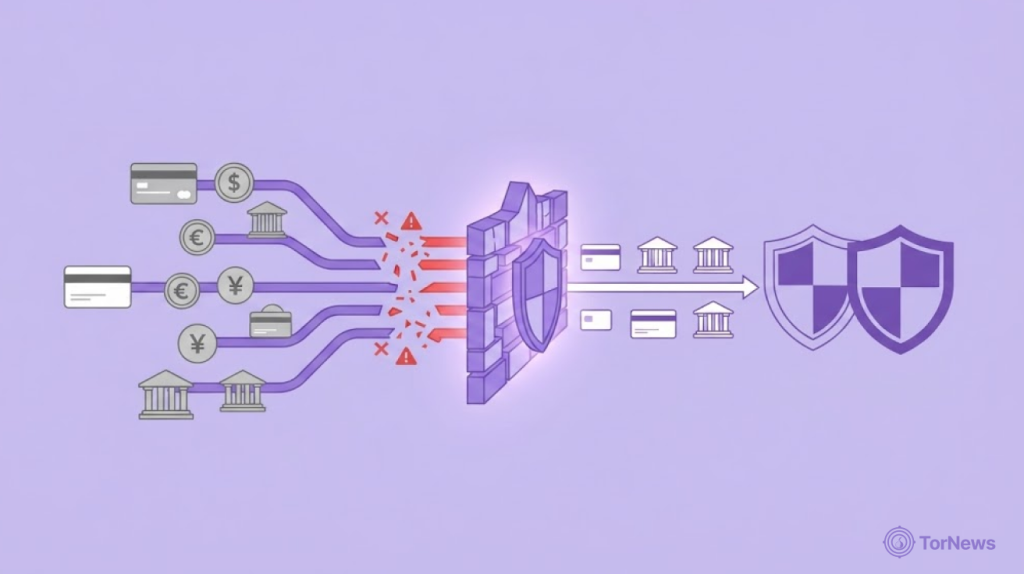
The FBI says its Recovery Asset Team, known as RAT, has denied more than $1 billion in attempted theft since January 2025. The bureau says that figure is 16% higher than a similar stretch in 2023 and 2024.
The agency made this claim in a September 29 post on X, along with a warning to act fast if you spot a fraudulent transfer. The statement appeared as the FBI released its new cyber strategy in September.
The claim adds a new snapshot to the FBI’s longer record of recovering money from online fraud. The bureau’s public data also shows how the process works and why victims must act quickly.
What the FBI’s Latest Figure Shows
The FBI’s 2025 Internet Crime Report gives the fuller picture. The team processed nearly 3,900 incidents involving $1.16 billion in attempted theft and froze $679 million, a 58% success rate.
About $507 million of the frozen money came from domestic actions and $172 million from international ones. In healthcare cases, the success rate reached 65%.
The rate was higher in earlier years. In 2021, the team froze more than $328 million of $443 million in losses, a 74 percent success rate. But it handled only 1,726 incidents that year. Its workload has more than doubled since.
How the Asset Recovery Team Works
The FBI created the RAT in February 2018. Its job is to speed up communication between banks and FBI field offices when someone sends money to a scammer.
The process starts with a complaint at IC3.gov. The complaint must include all required data, including banking information. If the case meets the criteria, the RAT sends the transaction details to a contact at the receiving bank and asks it to freeze the account. The team then alerts the right FBI field office.
The FBI calls this the Financial Fraud Kill Chain. It is built mainly to respond to fraudulent bank transfers. For overseas cases, the team works with partners such as the Financial Crimes Enforcement Network and the FBI’s Hong Kong office.
Why the Response Time Matters
Robert Bohls, who leads the FBI’s Salt Lake City office, highlights why victims must act swiftly after a scam. He says many victims give up too soon. They often believe nothing can be done once the money has been sent. He says that is not always true.
His advice is simple. Call your bank and say you think you have been defrauded. Then call your local FBI office. Then report it at IC3.gov. Victims should report to banks and the FBI within 48 hours.
Fast reports have paid off before. RAT shared a few stories of their scam recovery endeavors. In one case reported in 2019, the team recovered $54,000 for a Colorado victim, nearly the full amount stolen. In another, it recovered $449,000 that victims sent to scammers while buying a home.
The Broader Fraud Problem
The RAT’s results look small next to total losses. The FBI logged 1,008,597 complaints in 2025, with total losses of $20.877 billion. That is a 26% jump in reported losses from the year before.
Older adults took the hardest hit. People 60 and older filed 201,266 complaints and reported $7.7 billion in losses. Business email scams, where crooks pose as vendors or executives, cost victims $3.046 billion.
The RAT can only act on cases reported in time, and it cannot reach every loss. The FBI has other tools. Its Operation Level Up contacts people who are still caught in active scams.
The bureau is also tracking threats against critical infrastructure, including continued activity from Iran-linked hackers targeting U.S. industrial control systems, as reported by the FBI (not too long ago). In 2025, it notified 3,780 victims. About 78% had no idea they were being scammed. The FBI estimates it saved $225 million.
Watch for Recovery Scams
Getting scammed once can make you a target again. Recovery scams involving fraudsters targeting victims who had already fallen prey account for 10,516 complaints and $1.4 billion worth of losses in 2025.
Beware of any individuals who contact you claiming they’ll help you recover your lost money, particularly if they demand some kind of fee from you. The real process starts with a report you file yourself.
What to Do If You Are Hit
Move fast and follow this order:
- Call your bank. Ask for a recall of the funds and any indemnification paperwork it needs.
- Call your local FBI field office.
- Go to IC3.gov and file a complaint. Your complaint should include the date the scam happened, the amount, the account number, and the receiving bank name.
- Keep a record of everything: emails, texts, and receipts.
The FBI’s message suggests the first hours after a scam are the most crucial. A freeze is not a guarantee. Banks must act, and money that has moved through several accounts is harder to catch.
But the 2025 figures indicate that RAT recovered over half of the total amount that scammers tried to steal, and that’s because people reported issues quickly. So, don’t hesitate to speak up, even if you feel embarrassed or unsure. Reporting fast really pays off.
