-
Hackers steal cloud logins and AI access keys to run costly AI tools on other people’s accounts.
-
Railway says unauthorised AI use cost about $740,000, and attackers may have reached secrets from up to 100,000 workspaces.
-
Zeabur also reported a breach, and it plans to shut down on December 31, 2026.
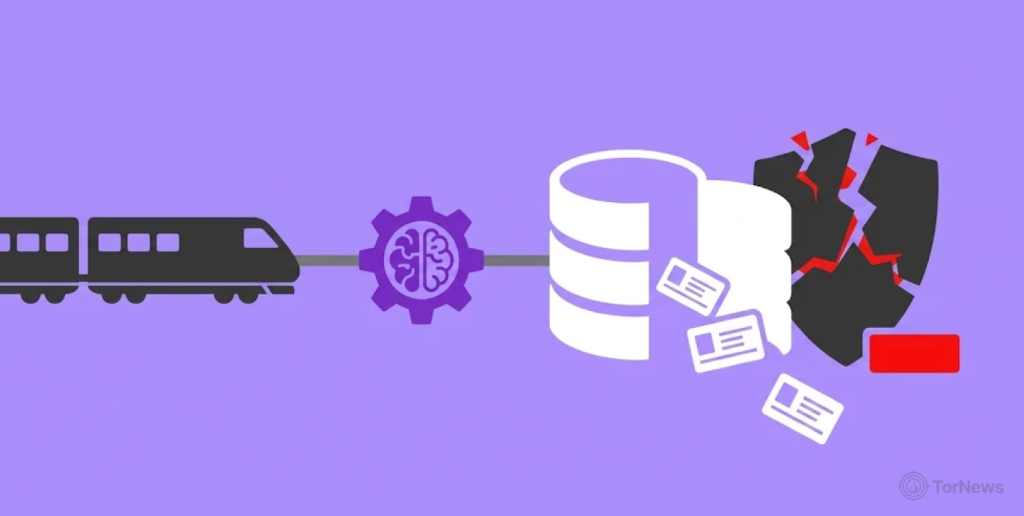
Hackers are stealing cloud logins and AI access keys. They then run expensive artificial intelligence models on other people’s accounts. The attacks have exposed serious security gaps across several technology platforms. Railway and Zeabur have both shared their own accounts of what went wrong.
This activity has a name, LLMjacking. Reports say it has cost affected companies and users hundreds of thousands of dollars. Railway, a cloud development platform, confirmed that attackers reached customer secrets. Those secrets connect to as many as 100,000 workspaces. The company also estimated that unauthorized AI use created about $740,000 in charges.
A separate cryptocurrency theft claim adds another $371,000 to the reported losses. Meanwhile, Zeabur, another affected platform, faced its own security breach. That breach involved customer data and login details.
Google Explains How Hackers Turn Stolen AI Keys into Cash
LLMjacking starts when attackers steal secret keys or cloud logins. These keys unlock paid AI services. The attackers then use powerful language models without paying for the computing power themselves.
They can also resell the stolen access through proxy services. Other users then reach expensive AI models at lower prices. This creates a hidden market where stolen computing power becomes a source of income. In simple terms, the attackers get the service, and the account owner gets the bill.
Similar criminal activity also takes place across dark web marketplaces, where illegal goods are traded. In one case, a California man was sentenced to 10 years for dark web fentanyl and meth trafficking.
Google’s Threat Intelligence Group reported on November 2 that it had investigated several LLM-jacking cases during 2026. In some cases, fraudulent use passed $100,000 in a single day. Google also found cases where charges reached $1 million before attackers lost access. These cases show how fast fraudulent bills can grow.
Railway Says Attackers could have Reached 100,000 Workspaces
Railway’s incident report, published on November 10, gave more details about its October attack. The report explains how the attack unfolded. Investigators found that attackers used a weakness in the company’s build system. They did not stop there, and they moved through internal systems. Eventually, they reached and decrypted some stored customer settings, known as environment variables.
Railway said the attackers could have reached settings from at most 1.85% of its workspaces. Railway gave this figure as a share of all its workspaces, and it equals about 100,000 workspaces. This number shows the largest possible exposure. It does not prove that 100,000 customers lost data.
The company estimated that stolen keys led to about $740,000 in unauthorized spending. The railway said it is working with service providers to secure refunds and cover unpaid costs.
Separately, reports say blockchain investigator Taylor Monahan traced about $371,000 in stolen cryptocurrency. The trail crossed at least 19 blockchain networks. However, the Railway has not confirmed this theft. The company has also not tied it to the breach. For now, the claim remains separate from Railway’s own findings.
Zeabur Reveals Its own Breach as Users React on X
Railway was not the only platform hit by the wider campaign. Zeabur reported another incident that involved stolen internal logins. Its report came out earlier than Railway’s, on October 19. Attackers also gained unauthorised access to customer environments.
According to Zeabur’s report, attackers reached shared infrastructure, some Google Cloud dedicated servers, and its internal platform database. They also took settings that held secret keys, passwords, and other private logins.
The company confirmed that attackers entered 101 Google Cloud dedicated servers. They also ran commands across 865 database services. Zeabur canceled the stolen logins and limited access. The company also told customers to replace their stored secrets.
Reports say the Zeabur incident links to about $100,000 in charges. Zeabur plans to shut down on December 31, 2026. The company described the closure as an operational decision.
The incidents also stirred strong reactions on X. The comments came from several different accounts. Users showed mixed feelings about the attacks and the companies involved. One user, shown as Anonymous and writing under the handle @4N0NYM0U5_5H311, cheered the losses. According to the post, nothing brought more joy than watching the companies suffer.
Another user, @Sabrecobra, joked that the scammers had become the victims. Meanwhile, @Xainetheheretic claimed hackers were finally using their power for good. @AsoranoMakoto took a different view. This user suggested the companies should simply shut down their servers to stop the growing problem.
@RLTrapimusPrime voiced worry that the attackers could escape punishment. The user pointed out that they stole huge sums, then compared the alleged gains with years of ordinary work. @ServantSlaanesh offered another take. The user said the attackers were only using computing power that AI companies had left idle.
These reactions show growing anger over AI companies, costly computing services, and weak security controls. Still, stolen logins and unauthorised access remain cybercrime. Public opinion about the companies does not change that fact.
The incidents also show why businesses must guard their secret keys. Each key works like a password that opens paid services. Businesses should limit cloud permissions for every account. They should also watch for unusual usage. A single exposed key can quickly turn into a huge bill.
