-
Unauthorized individuals accessed the systems of Baylor Genetics between June 11 and June 17 this year, gaining access to confidential patient and employee data.
-
Sensitive information leaked includes lab tests of patients, insurance details and banking information of employees, but the laboratory services continued to function without any disturbance.
-
Baylor has informed state authorities, provided free credit monitoring services to victims and improved security settings of its internal network to stop any future attacks.
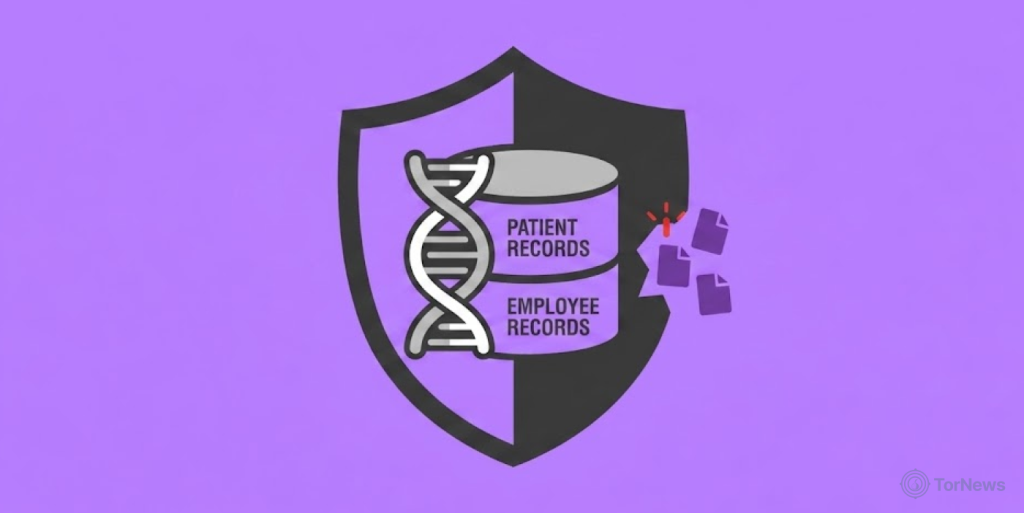
Baylor Genetics has revealed that it recently faced a significant cybersecurity incident that compromised sensitive data of patients and employees. The company is well-known for its work in clinical diagnostics and operates from the Texas Medical Center, based in Houston. Also, it provides specialized testing services to health institutions throughout the country.
The company first detected unusual digital activities in its internal IT network starting from June 15. Various technical teams took different measures to secure its digital assets and started investigating how the breach occurred.
Unauthorized System Intrusion and Exposure of Genetic Records
A thorough forensic investigation revealed that an unauthorized third party gained entry into the information technology infrastructure of the company. Also, the results indicated that the intrusion occurred between June 11 and June 17 this year. External intruders viewed and extracted stored database files during that six-day access window.
Working with third-party cyber experts, the company initiated a comprehensive review of files to determine the extent of the breach. Experts completed their reviews on the date of July 30 and noted that patient data had indeed been compromised.
Exposed patient information varied by individual file. But it included full names alongside dates of birth, medical testing histories, and laboratory test results. Also, the breached patient data included medical insurance information and Social Security numbers.
The compromised employee data also possessed full names, Social Security numbers, government ID numbers, and financial account details. However, the management stated that the internal monitoring system has not seen any fraudulent activities, identity theft, or misuse as a result of the incident.
Uninterrupted Clinical Operations and System Security Upgrades
Even with the occurrence of a network intrusion, there were no disturbances in the normal operation of laboratory testing departments. The technical staff have implemented complete diagnostic capabilities and prevented hospitals from having any delays in services or postponements of tests.
Furthermore, the management took prompt action in implementing new security measures to ensure no further such incidents in the future. The technical team enhanced identity and access management protocols. Also, they established access monitoring and more boundary protection at the processing site and across all data storage environments.
To ensure protection for affected individuals, the company is offering free credit monitoring and identity theft recovery services to impacted patients. Through the use of such monitoring packages, individuals can detect unauthorized credit inquiries as well as fraudulent financial activities at an early stage.
Additionally, forensic teams continue auditing network logs to ensure bad actors hold no persistent access tools inside operational servers. Implementing automated alert systems ensures technical teams can isolate anomalous network behavior before unauthorized users access internal files.
Growing Vulnerabilities Across Genomic Diagnostics and Health Networks
Cybersecurity analysts emphasize that clinical genomics facilities present high-value targets for digital threat actors worldwide. Notably, modern medical laboratories keep huge information databases. This comprises genetic markers and other types of sensitive information, such as demographic data, financial information, and health insurance data.
Consequently, unauthorized access to genetic diagnostic infrastructure exposes individuals to long-term privacy risks that standard password resets cannot fix. Unlike static passwords or credit card numbers, personal DNA structures and hereditary profile histories remain permanently unchanged throughout the entire lifetime of a patient.
The Baylor Genetics breach is part of a wider pattern of attacks on healthcare organizations. The Cl0p ransomware group exploited a vulnerability in Oracle E-Business Suite to steal patient data from UK hospitals, including Barts Health NHS Trust, which affected NHS patients and staff, and the attack was part of a broader campaign targeting dozens of organizations globally.
Moreover, forensic studies reveal that organized cybercrime gangs tend to focus on centralized health systems. So, they exploit valuable medical information from healthcare institutions to promote their services in underground marketplaces. Typically, diagnostic information that becomes subject to cybercrime activities is used for committing fraud through medical identity.
To combat the increasing operational threats, security experts suggest medical diagnostic companies implement zero-trust network architecture. Security teams must mandate strict multi-factor authentication, segment internal database servers, and apply end-to-end encryption across all transmitted genetic data.
Furthermore, medical institutions must conduct frequent vulnerability assessments and enforce strict vendor risk management protocols across external cloud connections. Comprehensive workforce security training is also important in spotting malicious phishing campaigns before external actors gain enterprise network access.
Regulatory Notifications and State Attorney General Filings
Company representatives officially notified federal regulatory bodies and state law enforcement agencies regarding the network intrusion. However, officials have not yet disclosed the total nationwide count of compromised patients and employees.
Regulatory filings indicate that the incident impacted customers residing in several state jurisdictions, such as California and Vermont. The official notification letters submitted to the Attorney General of Vermont indicated that the breach impacted a minimum of 2,630 state residents.
State data privacy laws require companies to send out written notifications to affected customers in any hacking incident that breached their sensitive data. Affected individuals will be informed about the situation and will be given instructions on how they can activate the necessary protection and free monitoring services.
Healthcare providers remain attractive to cybercriminals since stolen medical records sell for high prices on the dark web. Stolen medical records may contain personal information that bad actors can harvest for carrying out financial fraud for years.
Protecting clinical networks requires constant vulnerability management, multi-factor authentication, and active threat hunting at all connected systems. This means that healthcare firms must treat digital security as a core component of overall patient care to safeguard sensitive genetic records effectively.
