-
A seller on a cybercrime forum is offering administrative network access to a $453.5M U.S. company for $2,000.
-
The advertised access includes super administrator rights, Secure Shell entry via FortiGate, and control over 378 hosts.
-
Cybersecurity experts emphasize that the listing remains unverified, but it highlights severe initial access risks for enterprises.
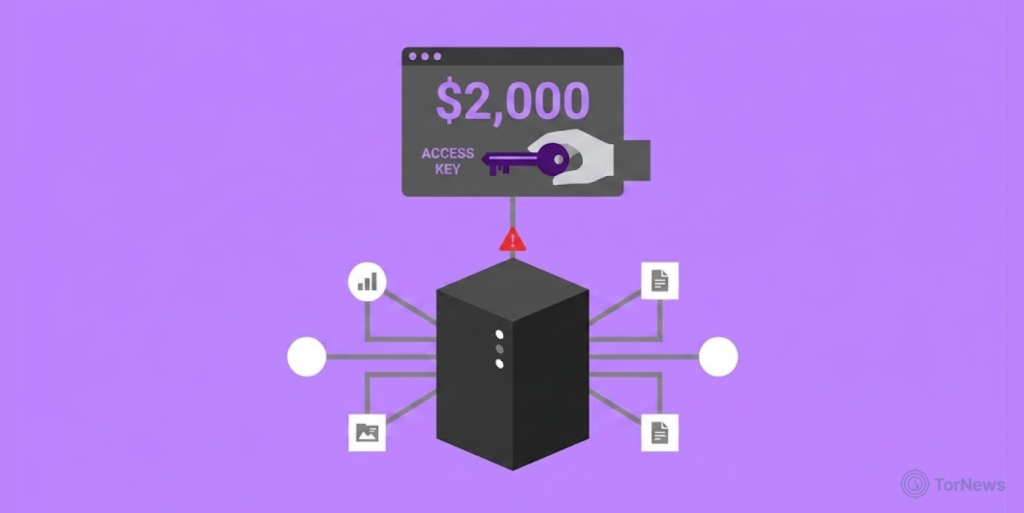
On an illicit cybercrime platform, a dealer has posted the data access of a major US corporation. According to the claims, this corporation is estimated to have a revenue of around 453.5 million dollars a year.
For a selling price of $2,000, this merchant is providing complete command over the internal functions of the corporation. But some security-related professionals express doubts about the reality of the posting and the possibility of the acquisition.
Advertised Privileges and Exploited Infrastructure
The forum post outlines extensive administrative capabilities across the digital environment of the victim company. The seller specifically claims to offer Secure Shell access established through a FortiGate firewall appliance.
The hacker asserts that the listing includes super administrator privileges across approximately 378 connected hosts. This elevated level of administrative control gives potential buyers wide lateral reach throughout the corporate network.
The seller promises full corporate network entry to whoever purchases the digital credentials. Acquiring high-level administrative keys allows threat actors to bypass perimeter defenses without triggering primary authentication alarms.
The Role of Initial Access Brokers in Cybercrime
Individuals who sell compromised network access points are known as Initial Access Brokers, according to cyber security experts. These models of cyber criminality utilize their computers to find unpatched vulnerabilities, unsecured and weak passwords, and poorly configured remote access gateways.
Brokers rarely launch final attacks like ransomware deployment or extensive data exfiltration themselves. Instead, these operators monetize initial perimeter breaches quickly by selling valid credentials to secondary threat actors.
Underground marketplaces frequently feature entry vectors targeting popular enterprise networking equipment. This allows cybercriminals to acquire remote access to businesses to carry out subsequent blackmail and corporate theft.
Cybercriminals take advantage of exposed firewalls, VPNs, and RDP endpoints – they still target vulnerable remote access software to go through traditional network security systems without detection.
Network security firms like CISA continuously issue advisories detailing common entry methods. Security teams track underground sales closely to identify emerging infrastructure risks and compromised enterprise assets.
Potential Impact of High-Level Network Compromise
Purchasing super administrator access creates severe operational risks for any corporate target. The secondary buyers can use the access to install permanent backdoors across internal servers.
Hackers commonly use high-level access to deploy dangerous ransomware to connected subnetworks. In addition to this, ransomware attacks freeze operations and require the victims to pay several million dollars as ransom.
Furthermore, dishonest users that possess Secure Shell skills can listen to confidential messages and steal sensitive corporate information.
In one high-profile case, a group called APT Iran claimed to have used an unknown initial access method to steal 375 terabytes of data from defense contractor Lockheed Martin, which it then advertised for a $600 million buyout on the Threat Market, threatening to sell sensitive technical documentation to China and Russia if the company didn’t pay.
Often, cyber spies lurk silently for months in hacked systems just to rob companies of their valuable intellectual property.
Gaining administrative control over hundreds of hosts allows criminals to map network topologies easily. Attackers locate secondary backup servers, disrupt automated logging, and disable core antivirus protections across the ecosystem.
Financial losses have much wider ramifications besides the payment of ransoms and operational downtime. The reputational loss of the organization hit by the hacking event results in customer loss, legal consequences, and fine payments.
Critical Verification and Security Recommendations
Security researchers stress that dark web claims require independent technical verification. Cybercriminals frequently exaggerate network revenue numbers, host counts, and administrative privileges to attract buyers quickly.
However, organizations must treat advertised access sales as serious technical warnings. Security teams must presume that exposed management ports consist of active intrusion threats until proven otherwise.
Company administrators have the responsibility of constantly checking the devices connected to the internet such as firewalls and routers. Limiting Secure Shell access from public domains minimizes the likelihood of automated attacks.
In addition, the introduction of multi-factor authentication for every administrative portal eliminates the possibility of unlawful access with the help of lost private information. Also, companies must enforce the policy of least privilege whereby compromised accounts cannot gain administrative access to the whole system.
Timely software patching is crucial in protecting the perimeter of the enterprise from known vulnerabilities. Implementing regular review of the admin logs will allow the businesses to identify any irregularities – such as unauthorized logins or identity creation and abnormal data movement.
Today, strategies for defending a business demand real-time monitoring that would help with spotting unauthorized lateral activities before major damage occurs. In the end, the solution for stopping the initial access brokers is a combination of ongoing maintenance, effective identity management, and vulnerability management.
