-
A forum post claims a hacker breached University of Delhi systems and stole student records.
-
The seller wants $450 for the data and will not lower the price.
-
Nobody has confirmed the breach yet, so treat this as an unverified claim for now.
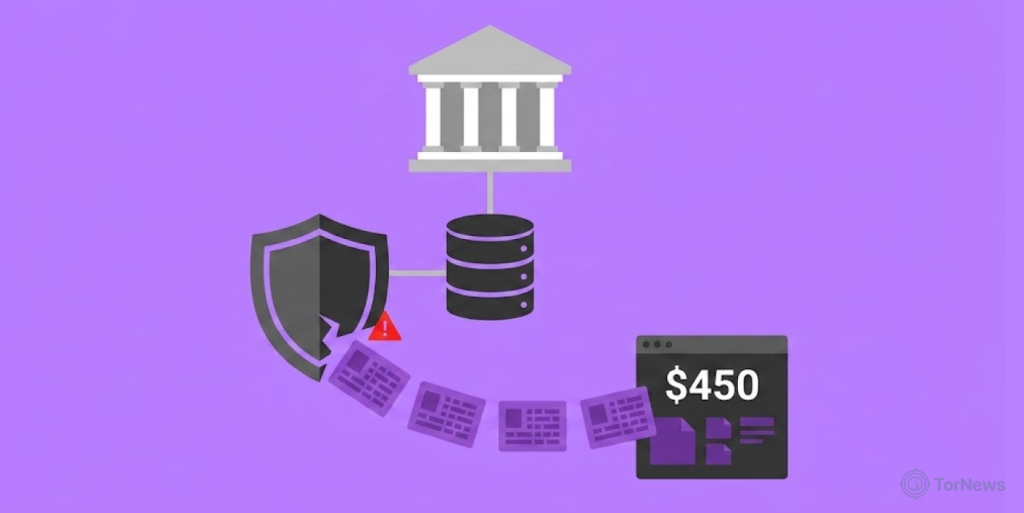
A hacker forum user claims to have broken into University of Delhi systems. The alleged threat actor says they stole a database full of student and applicant records. Multiple security analysts reported the claim on X, and the story is spreading fast online.
Details of the Alleged Breach
Two threat actors, going by the names LidaBroker and DYSPHOR1A, allegedly carried out the attack. According to the post, they pulled records from many university departments and academic programs. The mix of data makes this claim worth taking seriously.
The exposed information reportedly includes full names and email addresses. Phone numbers and student or applicant ID numbers also appear on the list. The data allegedly shows application status and approval status too.
Department names and academic programs are part of the haul as well. Qualifications, registration details, and enrollment records reportedly round out the set. Timestamps and filenames for documents and profile photos also show up.
The listing even references files and images stored on university servers. That detail worries security watchers the most. If those files stay reachable, the damage could grow far beyond names and numbers.
The seller wants $450 for the whole package and says the price won’t drop. The post also welcomes middleman services. Middlemen are trusted go-betweens on hacker forums. They handle deals so buyers and sellers don’t interact directly, which lowers the seller’s own risk.
Dark Web Informer also flagged DYSPHOR1A as a group new to ransomware. But right now, little public proof backs up that label. Nobody has confirmed the group’s ties to this specific university breach either.
Why the University’s Track Record Raises Concern
This is not the school’s first brush with a data scare. Back in 2020, Bar & Bench reported a privacy problem tied to a university exam portal. Phone numbers, addresses, birth dates, and emails were reportedly viewable through that system. The university fixed the issue after the report came out.
That old case matters here for one reason. It shows student data at the university has leaked before, even if only briefly. A repeat incident, even an unconfirmed one, deserves close attention because of that history.
The threat is not hypothetical. The ShinyHunters group recently breached the University of Nottingham and leaked 455,000 unique email addresses along with names, passport numbers, national insurance numbers, and academic records. Cybersecurity experts described the stolen information as “gold dust” for identity thieves, showing the real-world consequences when student data falls into criminal hands.
The university is not sitting still on cybersecurity either. India’s Indian Cybercrime Coordination Centre, known as I4C, signed an agreement with the University of Delhi. The deal aims to boost teamwork on stopping cybercrime and raising awareness. It also focuses on building stronger cyber defense skills across the school.
That partnership shows the university takes online threats seriously. Still, no agreement can fully block every attempt to break in. Whether it stopped this particular attack remains unclear for now.
If the stolen data is real, the risks stretch far. Attackers could use names, emails, and phone numbers to build convincing phishing messages. They could pose as the university and trick students into giving up more information. Academic details and application status make those fake messages sound believable too.
Anyone whose photo or document filename got exposed faces a second risk. If the actual files stay accessible somewhere, someone could steal a person’s identity. That risk grows if the underlying documents include ID cards or address proof.
No Confirmation Yet from the University
Right now, nobody outside the hacker forum has proven this breach happened. Searches for coverage from major news outlets and cybersecurity sites turned up empty. No independent group has linked the advertised database to real University of Delhi systems yet.
That gap matters a lot here. Claims like this show up often on hacker forums, and not all of them turn out true. Some sellers exaggerate or repackage old, previously leaked data as something new.
Until the university speaks up or a security researcher checks the data, treat this as unverified. Nobody yet knows how many people the alleged breach affects. Nobody has confirmed how the hacker supposedly gained access either.
Students and applicants connected to the university should still stay alert regardless. Watch for strange emails asking for personal details or login information. Report anything that looks like a scam to the school right away.
Anyone worried about their data should also change passwords tied to university accounts. Turning on two-factor authentication adds another layer of safety too. Small steps like these help even before a breach gets fully confirmed.
