-
A jury found a man guilty of using encrypted apps and cryptocurrency to buy and sell fentanyl, meth, and ecstasy across the United States through the U.S. Mail.
-
German customs cracked the case by finding 15 pounds of ecstasy, and officers intercepted a water heater containing Homer Simpson and Kim Jong-Un shaped pills bound for Pachomow, which led to a search of his home.
-
The suspect mailed between three and 18 shipments daily and used fake return addresses from local businesses to avoid detection.
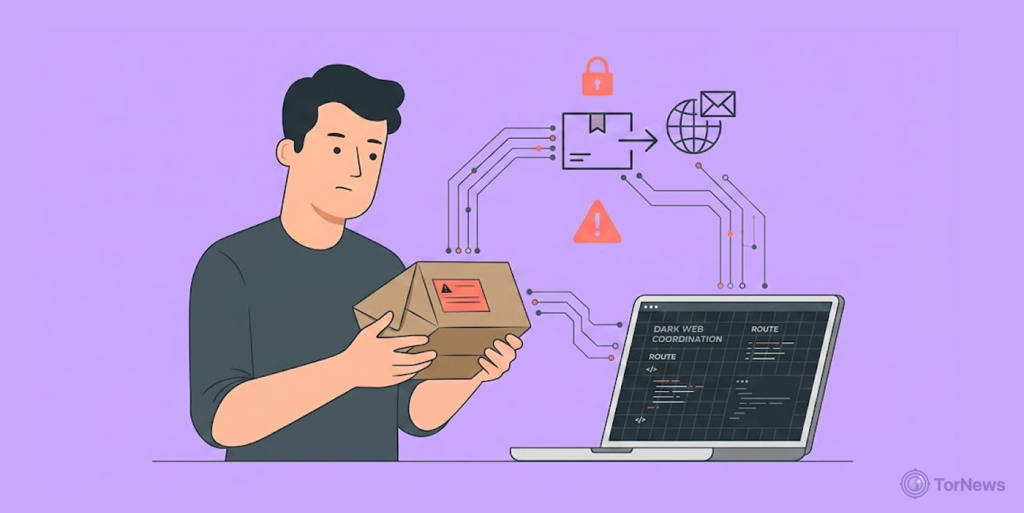
A federal jury has convicted Janusz Pachomow, 49 years old, for running a nationwide drug trafficking operation via the dark web.
The man allegedly used the U.S. Mail to ship deadly drugs, including fentanyl, methamphetamine, and ecstasy to customers across America.
Pachomow entered the United States from the former Soviet Union in the 1970s. Instead of building a lawful life, he built a sophisticated drug empire from his own residence.
He purchased drugs across different dark web marketplaces, he conspired with partners in Europe and Australia to maintain his operation.
He coordinated shipments and received payments in cryptocurrency, he used encrypted messaging apps to conceal his tracks.
How the Drug Scheme Actually Worked
Pachomow’s co-conspirators would send him temporary encrypted links containing customer information. These links included purchasers’ names, addresses, and the types and quantities of drugs each person ordered. Pachomow then filled these orders from a large stash of drugs stored at his home.
He made his mother drive him to the local post office every day. Between three and 18 shipments went out daily through the U.S. Mail. To avoid detection, Pachomow used return addresses from random local businesses near his home. Those businesses later received undeliverable mail, this prompted law enforcement to start investigating.
The scheme unraveled after German customs intercepted a suspicious package bound for Pachomow. Inside a water heater, officers found over 15 pounds of ecstasy pills.
The pills were shaped like Homer Simpson and North Korean dictator Kim Jong-Un, this bizarre discovery triggered a full-scale investigation.
While Pachomow used encrypted dark web markets, other drug dealers are taking a different approach, a recent case saw an 8-year sentence for selling methamphetamine directly on Facebook, proving that drug sales are happening across the entire spectrum of online platforms, from hidden marketplaces to mainstream social media.
When law enforcement searched Pachomow’s home, they found evidence of his drug deals, including large quantities of drugs, fentanyl gloves, packing materials matching the recovered envelopes, and other drug paraphernalia. The evidence painted a clear picture of a large-scale operation.
The Shocking Scale of the Operation
U.S. Attorney Ellis Boyle did not hold back in his criticism. He said that though Solviet Russian condones sales of drugs via mail, it is not so in the USA. Boyle mentioned that it’s a disgrace to pollute the land after gaining their freedom from communism. The simple lesson should be to do the right thing, drugs kill equals imprisonment.
The case involved many different law enforcement agencies working closely together on a joint investigation, including the U.S. Postal Inspection Service, Homeland Security Investigations (HSI), the Aberdeen Police Department, and the Moore County Sheriff’s Office. In addition, Assistant U.S. Attorneys David G. Beraka and Logan Liles are the ones prosecuting this case.
Inspector Rodger Hopkins, who oversees the Atlanta Division of the US Postal Inspection Service, stressed the gravity of the case. Hopkins stated that the illegal shipment of drugs goes against everything in law enforcement that tries to help keep the communities as safe as possible.
The inspector maintained that such activities are of high priority for the U.S. Postal Inspection Service and illustrate the great importance of their overall mission to protect the postal service, its customers, and to deter the illegal use of the service.
The Conviction and What Comes Next
Louise W. Flanagan, United States District Judge, accepted the jury’s decision on the conviction of Pachomow. He will face substantial prison time for conspiracy to distribute controlled substances through the mail.
The conviction sends a very strong message to those involved in drug trafficking on the dark web, they will conceal their operations behind encryption and cryptocurrency indefinitely.
The Pachomow case is indicative of how drug trafficking is evolving, no longer do sellers of illegal narcotics need to meet their customers on street corners, but they can now use home computers and operate with encrypted applications (apps) and digital currencies from the comfort of their homes. But as Pachomow learned the hard way, law enforcement follows the evidence no matter how sophisticated the operation appears.
The United States Postal Inspection Service had a key role in bringing this investigation to a conclusion; their investigators have developed a way to identify and track suspicious mail, even as they use their international partners, such as German customs, to assist with the investigation. When a water heater full of ecstasy pills arrived from overseas, the pieces started falling into place.
Pachomow’s mother unknowingly helped her son distribute deadly drugs across America, this adds a tragic layer to an already disturbing case. She drove him to the post office day after day, never realizing she was participating in a nationwide drug ring.
