-
TeleLog collects and organizes publicly available Telegram data into searchable records for investigations and research.
-
The platform does not access private or end-to-end encrypted chats, but it can connect public activity across users, groups, and channels.
-
Researchers say large-scale data collection shows how public information can reveal more than many users expect.
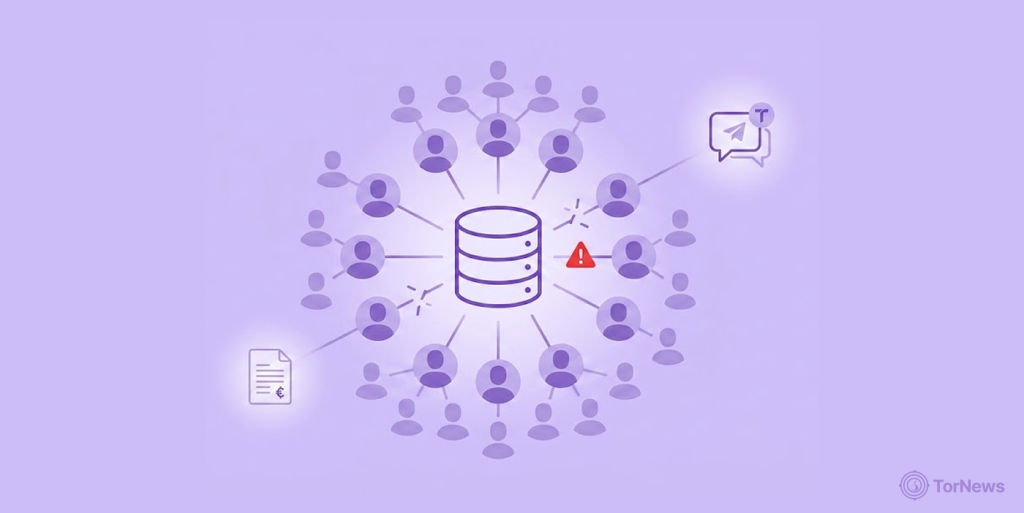
An unofficial open-source intelligence (OSINT) platform called TeleLog is drawing attention across the cybersecurity community. The platform can search and organize information that Telegram users have shared in public spaces.
TeleLog is not connected to Telegram. The platform is also not approved or operated by the messaging service. Still, reports say it can collect data from public Telegram accounts, groups, and channels and turn that information into searchable records.
The platform also appears to link users, communities, and online activity together. That ability has started a wider discussion about the balance between digital investigations and personal privacy.
Security researchers often use OSINT tools to study online activity. These tools help them follow public discussions, monitor online communities, and understand how different accounts interact.
Privacy advocates, however, say collecting huge amounts of public information changes how people experience privacy online. While users may knowingly post in public groups, they may never expect years of their activity to become part of one searchable database.
Public Telegram Activity can be Collected at Scale
According to reports shared within the OSINT community, TeleLog uses automated bots to collect public Telegram information. The bots can reportedly discover and join public Telegram groups.
They can also gather invitation links that people have shared on other websites. Once inside those public communities, the platform indexes usernames, user IDs, public messages, and other information that anyone can already access.
TeleLog then organizes that information into searchable records. It can also connect users with groups, channels, and past activity. This allows investigators to review how public accounts and communities have changed over time. There is no evidence that the platform can break into private Telegram chats.
There is also no indication that it can read Telegram conversations protected by end-to-end encryption. Instead, its reported abilities remain limited to information already available inside public groups and channels. The platform also appears to rely on Telegram’s public interfaces and bot features to gather that information.
Researchers have already shown that collecting public Telegram content on a massive scale is possible. The TeleScope research project gathered about 120 million public Telegram messages. Those messages came from more than 500,000 Telegram channels.
Another research effort, called TeraGram, expanded that work even further. Researchers behind the project collected about 5.9 billion public Telegram messages shared between 2015 and 2025.
The scale of Telegram data collection mirrors claims of massive breaches. A hacker has allegedly obtained a massive Telegram dataset, though its authenticity is unverified.
A separate project known as TeleHunt also examined more than 172 million messages from thousands of Telegram communities. Researchers used those records to study cybercrime groups and understand how they communicate.
These projects show that public Telegram information can be collected, stored, and analyzed over long periods for research and investigative work.
Privacy Debate Grows as Public Data Becomes Easier to Search
TeleLog has renewed discussions about how public information should be collected and used. The information indexed by the platform already exists inside public Telegram communities. Anyone can normally view that content by joining those public groups. The concern comes from gathering years of scattered information into one searchable system.
When public conversations are collected in one place, they can reveal patterns that are difficult to notice otherwise. Those records may show how people interact, which communities they join, and how their activity changes over time. Privacy experts often explain that public information is not always easy to discover.
According to privacy specialists, information spread across many different groups becomes much more revealing once automated systems collect, organize, and connect everything together.
That process allows investigators to build detailed pictures of online behavior using information that users posted publicly over many years. For many users, that possibility creates new privacy concerns even though the original content remains publicly available.
Security Experts Urge Users to Think Before Posting Publicly
The discussion around TeleLog also highlights the importance of good operational security, often called OPSEC. Security professionals regularly remind users that anything shared in public Telegram groups can remain available for years.
Usernames, profile details, comments, and group participation may all become part of intelligence platforms designed to collect public information.
According to security professionals, users should think carefully before sharing personal details in public communities because third-party intelligence services may collect and organize that information later. The discussion is not about private chats being compromised.
There is no evidence that TeleLog can bypass Telegram’s encryption or access private conversations. Instead, the platform shows how public information can become much more valuable after automated systems collect and connect it.
As OSINT tools continue to improve, platforms like TeleLog demonstrate how publicly shared information can become useful intelligence for researchers and investigators.
At the same time, the platform highlights the growing debate over where public investigation ends, and personal privacy begins. For Telegram users, the message is simple. Information shared in public spaces may remain public long after it is posted.
It may also become part of searchable databases that connect years of online activity into a much clearer picture than many people ever expected.
