-
The open-source Robin framework automates dark web intelligence gathering by combining large language models with Tor search engines.
-
Integrated AI tools automatically refine user prompts, filter out darknet spam, and produce structured investigation reports.
-
The software supports both cloud-based AI providers and local language models to ensure complete data privacy during threat investigations.
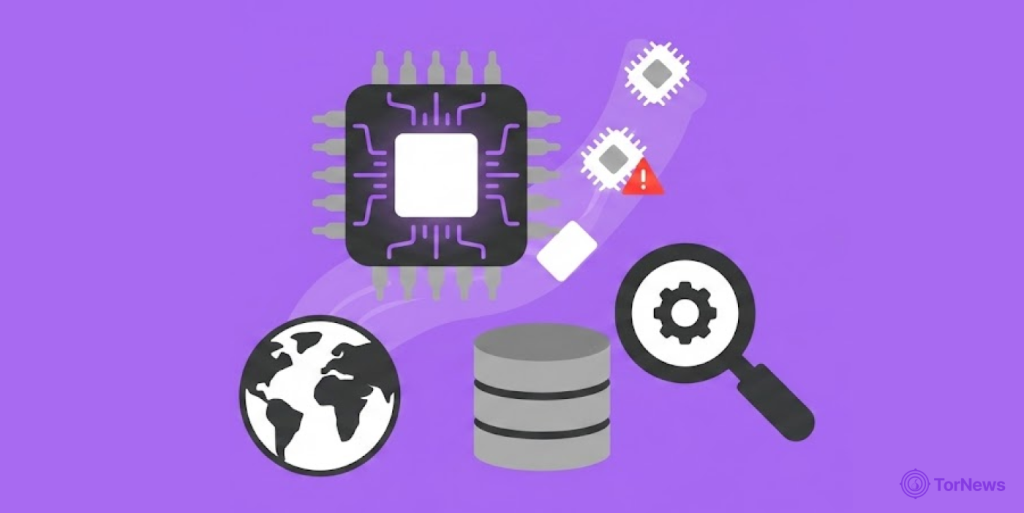
Security researchers have introduced an open-source intelligence framework called Robin to streamline dark web investigations. The software merges large language models with automated web scraping tools to reduce manual research tasks across hidden networks.
Digital analysts frequently face huge volumes of spam and scam sites while searching through hidden onion services. The new tool addresses this noise problem by filtering raw dark web search engine results automatically.
Smart Query Expansion and Prompt Optimization
Robin begins its operational workflow by accepting plain-text search prompts directly from an investigator. Integrated large language models analyze the initial search topic to generate optimized search terms.
The underlying software refines simple user prompts into specialized query formats suited for dark web indexing engines. This automated expansion step saves analysts from having to know specialized darknet jargon or hidden site syntax.
As a result, the system makes sure that its queries include technical terminologies, variations, and key terms concerning issues emerging in cyberspace. Thus, cybersecurity specialists monitoring ransomware operators or leaks of credentials have the opportunity to obtain relevant information without wasting massive amounts of time to create search phrases.
The prompt mechanism alters techniques that it uses depending on the employed AI backend. Analysts can connect the framework to cloud platform models or run local artificial intelligence instances for complete data privacy.
Anonymous Data Collection Across Tor Hidden Services
Once query expansion finishes, the application routes requests across multiple dark web search engines concurrently. All outgoing network traffic passes through active Tor network proxy connections to protect investigator identity and preserve operational security. The framework queries several specialized indexes simultaneously, gathering raw search listings from different hidden corners of the onion network.
Furthermore, internal scraping engines navigate past initial search listing pages to collect full web page text directly from target sites. Concurrent worker threads handle multiple download jobs at once, drastically reducing the total time needed to pull darknet content.
Built-in connection handlers manage slow response times and broken onion links automatically. By delegating tedious network tasks to background threads, threat researchers avoid manual browser navigation entirely.
AI Result Filtering and Investigation Summarization
Raw text scraped from dark web hidden services often contains massive amounts of promotional noise, fake market listings, and broken pages. Robin feeds gathered page content back into the large language model layer to evaluate information quality.
The artificial intelligence model scores scraped pages based on topic relevance, context freshness, and potential threat severity. Low-value clutter gets stripped out before reports reach the human investigator.
Instead of returning long lists of unorganized links, the software outputs structured investigation summaries. Reports group extracted data into clear sections containing main intelligence findings, key threat indicators, referenced source links, and recommended next steps. Automated summary generation allows cybersecurity teams to process complex darknet cases in minutes rather than days.
Flexible Architecture Supporting Local and Cloud AI Models
The application relies on a modular codebase that isolates search tools, scraping functions, and artificial intelligence processing pipelines. Security developers can swap out dark web search providers or update scraping logic without breaking overall system stability. The tool runs smoothly through command-line interfaces for automated scripting, or inside Docker containers with interactive web user interfaces.
Moreover, the framework supports both commercial online models like GPT-4, Claude, or Gemini alongside local models managed through Ollama. Organizations conducting sensitive investigations can process all scraped data locally using self-hosted open-source language models.
Running local intelligence pipelines keeps internal investigative notes and sensitive data queries completely offline. This hybrid approach offers high flexibility for threat intelligence units, incident response teams, and independent cybersecurity researchers.
The broader trend of AI agents gaining access to sensitive systems is drawing increased scrutiny. Security researchers warn that AI agents are being introduced through enterprise software at a rapidly growing pace, with some organizations running more than 1,000 AI agents, many unknown to security teams. Unlike traditional service accounts, AI agents can combine privileged access with autonomous action across multiple systems, creating attack paths that existing security tools were not built to detect.
Modernizing Cyber Threat Intelligence Workflows
The use of artificial intelligence in dark web research is an important step in the development of digital forensics. Manual darknet research has traditionally required constant human monitoring, deep patience, and extensive operational security setup.
Utilizing automation in the initial phases of search, data collection, and information filtering will allow specialists to concentrate on making important decisions.
Nevertheless, cybersecurity specialists warn about the desired effects of automation in such complex inquiries. Cyber threat intelligence experts still need to verify some pieces of evidence, confirm the safety of onion links, and cross-check the validity of evidence before completing the report on the threat.
Combining automated data acquisition processes and the supervision of experts allows detecting real cyber threats faster while ensuring proper accuracy.
