-
Mozilla found a secret signing key sitting in a private GitHub folder.
-
The key helped prove that Linux versions of Firefox and Thunderbird were real.
-
Mozilla says no one stole or misused the key before it got replaced.
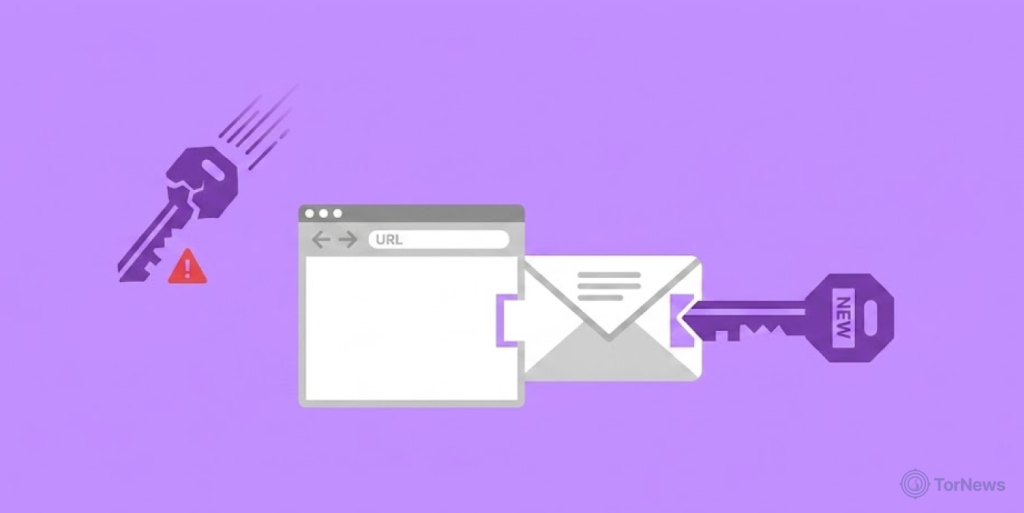
Software companies use special keys to prove their apps are safe. These keys work like a stamp of trust.
Mozilla just found out one of its stamps leaked online. The company acted fast and swapped the key out. Here is what happened, and what it means for you.
How the Key Got Exposed
Mozilla shared the news on August 10. A worker had accidentally uploaded the key to a private GitHub folder. The key was not locked or encrypted at the time. This particular key signed Linux versions of Firefox and Thunderbird. It also signed related files, like tarballs, RPM packages, and checksum files.
Mozilla said the folder itself was private. Outsiders could not see it directly. Still, the company treated the leak as a real risk. It canceled the old key right away. Then it created a brand new one to replace it.
Signing keys work like a signature on a letter. They tell your computer that a download truly comes from Mozilla. They also prove that no one changed the file along the way. Without that signature, hackers could sneak in fake versions of trusted apps.
SecurityWeek explained why this step matters so much. A leaked signing key can let bad actors dress up harmful software as safe software. Systems that check the signature would not catch the difference. That is why companies usually replace a key the moment it leaks, even without proof of misuse.
No Signs of Misuse, But Mozilla Took No Chances
Mozilla checked its access records closely. The company found no clues that anyone outside its team touched the key. There is also no proof that hackers used it to sign harmful software. This means Firefox and Thunderbird downloads have not been confirmed as compromised.
Even so, Mozilla chose to act early instead of waiting for real trouble. This matches a common rule in cybersecurity. Once a key gets exposed, treat it as unsafe, whether or not anyone actually grabbed it.
The Register reported that Mozilla’s audit logs turned up nothing unusual either. Still, the outlet noted that people who verify Firefox and Thunderbird releases now need to update their process. The old key no longer works for checking new downloads.
BleepingComputer shared a similar account of events. The outlet made clear this problem sits inside Mozilla’s release system. It is not a bug hiding inside Firefox or Thunderbird apps themselves. Everyday users browsing the internet are not directly at risk from this issue.
Other outlets picked up the story too. Both The Hacker News and CybersecurityNews covered the leak. Each report focused on how a single exposed key can ripple through a software supply chain. A trusted publisher’s key touches every download that carries its name.
What this Means Going Forward
Mozilla has now published details about its new signing key. Anyone who checks Firefox or Thunderbird downloads with GPG should grab the updated key. The Mozilla Security Blog has the full technical guide for making the switch.
This event is a reminder for every software company, not just Mozilla. Signing keys need the same protection as passwords or private data. A single slip, like uploading a key without encrypting it, can force an emergency response. Teams that manage code repositories should double-check what gets uploaded before it goes live.
Mozilla faces privacy challenges beyond signing key management; security researchers have discovered a flaw in Firefox and Tor Browser that can allow websites to identify users across different browsing sessions, even when they’re in private browsing mode or using Tor.
For regular Firefox and Thunderbird users, there is little to worry about right now. Your apps still update and run normally. The bigger lesson here is about how software gets verified behind the scenes. Companies that build trust through signatures must guard those signatures just as closely as their actual code.
Mozilla’s quick response likely limited any damage from this leak. The company revoked the old key, built a new one, and told the public what happened. That kind of speed and honesty matters in cybersecurity. It also sets a clear example for other companies handling similar incidents.
Stay updated on your software providers’ security pages. Small announcements like this one often carry bigger lessons about how the internet stays safe.
