-
The Handala hacker group has started targeting Israeli high-tech and aerospace professionals, posting their names online and labelling them as criminals.
-
Researchers discovered that most of the info seems to be pulled straight from LinkedIn, but a lot of it is outdated, wrong, or can’t be verified.
-
The group is escalating the issue and is offering cash rewards for anyone who sends more personal details about the individuals there were named.
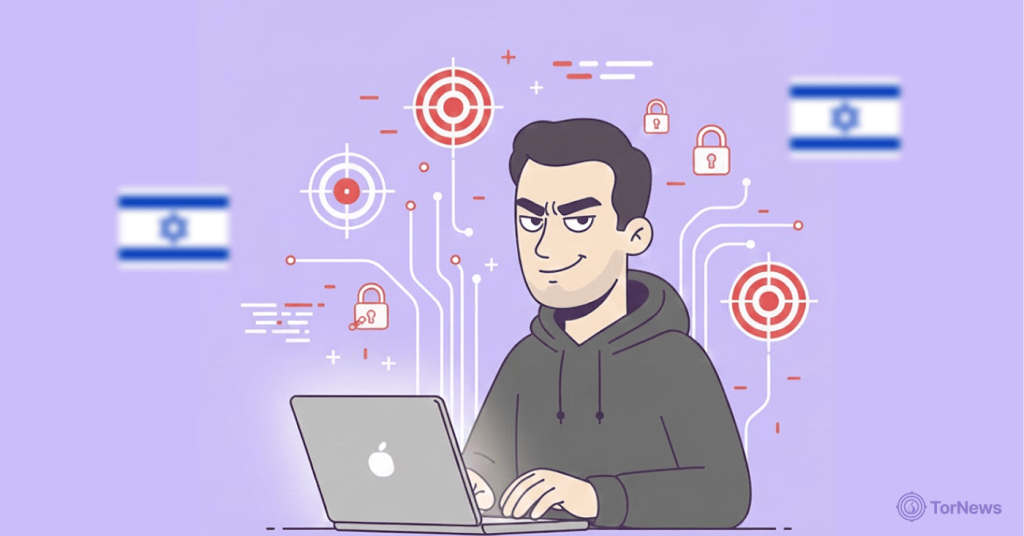
Hackers are taking corporate intimidation to a whole new level – they are now targeting private sector employees directly. The group is doxxing tech professionals and even offering bounties for more info. This creates serious real-world safety risks.
Professionals Named and Shamed in Online Post
Security researchers monitoring dark web forums spotted a new post from the Handala hacker group. The post contained a detailed list of Israeli professionals working in technology and aerospace.
The group published their personal information alongside aggressive descriptions, wrongly tagging them as criminals. The majority of the data appears to have been obtained from publicly available LinkedIn profiles.
But when you dig in, you’d start to notice some serious discrepancies – some of the individuals listed stopped working at the companies years ago. Others do not hold the senior or sensitive jobs that Handala claims.
This suggests the hackers care more about creating fear than providing accurate information. They are weaponizing public professional data to intimidate and harass.
Hackers Offer Cash for More Personal Details
The most alarming part of the announcement was a call for more information. Handala explicitly promised to pay a financial reward for supplemental details about the specialists they featured.
This turns a simple data dump into an active hunting operation. It encourages third parties to investigate and potentially harass the targeted individuals. The bounty system amplifies the threat significantly. It transforms scraped data into a crowdsourced intelligence collection effort.
This marks a concerning shift from general propaganda to actively targeting specific civilians. Ordinary professionals now face potential disruptions to both their work and personal lives through no fault of their own.
What This Means for Your Online Safety
This campaign shows how easily available information can be twisted for malicious goals. Public LinkedIn profiles became tools for systematic intimidation.
This incident shows something that’s happening more and more in cyber stuff. Bad guys are grabbing personal info to trash or scare real workers. This thing is zeroing in on Israel, but the same tricks could be used on folks anywhere. So, everyone needs to watch what they put online.
Organizations must also recognize that employee professional profiles can be an attack vector. They need strategies to protect their teams from these new forms of digital threat.
Spike in Cyber Attacks
We’ve seen more cyber attacks lately. A well-known example is when the ShinyHunters group broke into Gainsight and grabbed a ton of customer info.
That hit didn’t just hurt Gainsight. It also caused chaos for other tech companies using Salesforce, forcing some of them to pause their app integrations entirely.
ShinyHunters isn’t working alone, either. In addition to creating new ransomware tools like ShinySp1d3r, these hackers have joined forces with other cyber crooks to create bigger and better things.
No longer are these criminal organizations creating new tools to steal personal information; they are creating better methods of instilling fear while performing more sophisticated extortion schemes, from doxxing individuals to monetizing network access, as seen in the recent sale of access to thousands of Italian websites on the dark web. As always, they continue to evolve and devise ways to remain ahead of the game.
