-
A phishing service called AnonyMousKIT tricks iPhone theft victims into handing over their unlock codes.
-
The service uses AI voice agents that pretend to be Apple staff during phone calls.
-
Researchers found the scam linked to over 500 websites and 168 reseller shops.
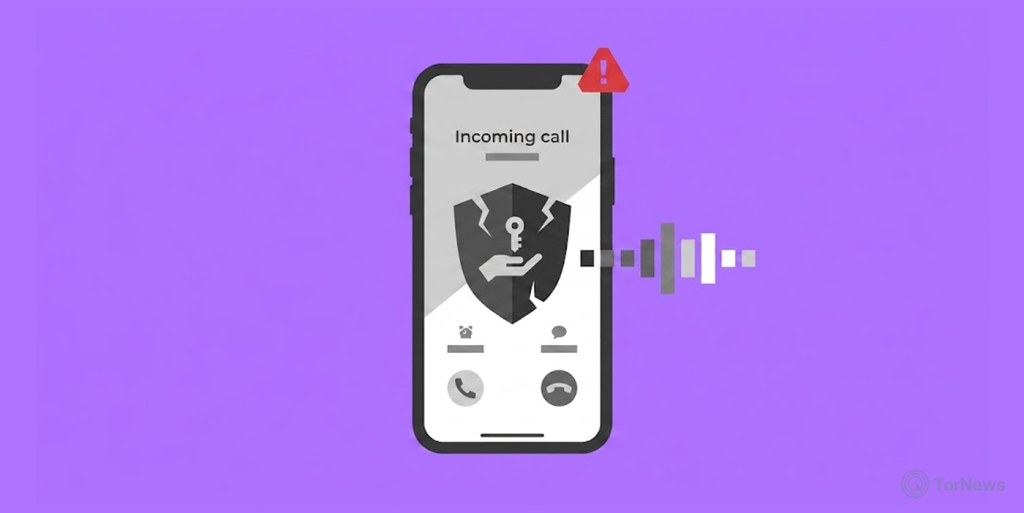
A new online scam service called AnonyMousKIT helps criminals unlock stolen iPhones. It has run since early 2024. The service builds a full business around stolen phones. It steals Apple ID logins, iCloud backups, and saved passwords too.
Researchers at a threat tracking company studied the platform closely. According to the report, the operators made a coding mistake. That mistake let researchers see how the scam works, who runs it, and where its servers sit.
They linked AnonyMousKIT to 506 different websites. The service also powers 168 separate storefronts that resell its tools to other criminals.
How the Scam Works
Apple phones have a safety feature called Activation Lock. It turns on automatically when a user enables the Find My app. This feature ties the phone to the owner’s Apple account. Even after a thief wipes the phone, it stays locked to the real owner. Anyone who tries to set it up needs a valid code first.
This lock makes stolen iPhones hard to sell as a whole. Many end up sold for spare parts instead. But a working, unlocked phone sells for much more. AnonyMousKIT solves this problem for thieves. It pulls the owner’s contact details straight from the phone’s Lost Mode feature. Then it uses that data to reach the victim.
The scam sends fake messages through email, text, WhatsApp, or a phone call. These messages pretend the missing phone turned up somewhere. They even include the correct phone model and IMEI number. That detail makes the message look real.
Victims who click the link land on a fake Apple or Find My page. The page then asks for the phone passcode, the Apple account login, and a two-factor code.
Inside the Voice AI Calls
The researcher found something new here. Some victims got an actual phone call instead of just a message. An AI voice program handled the call. It used a fake name, “Alice from Apple Support.”
This AI voice told victims that someone brought their lost phone into an Apple store. The store supposedly kept the phone until the owner confirmed it belonged to them. The AI then asked the victim to read out their passcode out loud. After that, it pushed them toward the fake phishing page to finish stealing their login details.
Researchers pulled records of 200 of these calls. The calls happened between August 2025 and May 2026. They came from 55 different call scripts. The AI voice used five different fake personas across those calls.
Each call cost the criminals only about ten cents to place, experts noted. Most calls, about 90 percent, targeted people in Brazil.
Once the criminals get the unlock code, they can do serious damage. They can view the victim’s private files. They can wipe the phone and remove it from Find My. Then they sell the phone as if it were never stolen.
Who is Most at Risk
A stolen Apple ID opens more doors than just the phone itself. It can expose iCloud backups, saved passwords, and even work email accounts, explained. That risk grows for anyone who uses a personal iPhone for work tasks. A single stolen login could leak company data too.
The research shows a small share of these phishing emails went to government offices and companies directly. This makes the scam more than just a personal device problem. The scam campaigns reached victims across many countries, per the report. But activity ran heaviest in South Africa, Indonesia, Italy, India, Kenya, and Brazil.
In Florida, a smoke shop owner was arrested after investigators traced a fatal overdose to an illicit drug network. Authorities seized two pounds of MDMA, LSD, psilocybin mushrooms, and cryptocurrency machines linked to the operation.
This case remains under review, and details may shift as researchers dig further. Anyone who loses an iPhone should watch for unexpected calls, texts, or emails about it. Real Apple support will never ask for a passcode over the phone.
