The digital world can sometimes feel like navigating the wild west. You do your best to stay safe. You use strong passwords, avoid sketchy links, and take just about every measure you can to stay safe out there.
But what if your personal information is already out there, traded and sold in parts of the internet you cannot even see? That is exactly why dark web monitoring exists and has become an important part of digital safety. Trust us, you don’t want to face identity theft without it.
This guide covers everything you need to know regarding dark web monitoring. Whether you are a business owner with customer data to protect or just a regular internet user trying to protect your personal information, understanding this technology could help you avoid serious financial loss and reputational damage.
What is Dark Web Monitoring?
Think of dark web monitoring as a digital watchdog service. These services are your early-warning system. They tirelessly patrol the hidden internet (dark web), specifically looking for your stolen data in the places criminals trade it. If your details ever pop up for sale, their main job is to spot it and notify you immediately, giving you a crucial head start to protect yourself.
Think of it as your most reliable digital watchdog. It is continually sniffing around criminal marketplaces where hackers sell everything from passwords to credit card numbers.
The dark web is an encrypted network (like Tor) that the average person has a harder time getting into. This anonymity is an advantage for cybercriminals, as it lets them buy and sell stolen information on a platform they trust (all while believing they’re beyond the reach of the law). If you’re thinking, “wait, what is the dark web, exactly?” our beginners’ guide on the dark web breaks down how it works, why it exists, and how it’s different from the other parts of the web.
Dark web monitoring is the act of tracking and scanning the dark web for sensitive or stolen data in the realm of cybersecurity. This gives organizations a crucial heads-up, allowing them to spot compromised data before attackers can use it to cause real damage.
When your data is found on these underground marketplaces, dark web monitoring tools will provide instant alerts. This early warning allows you to take quick and effective measures towards crime prevention. These actions may include changing passwords, freezing accounts, or notifying affected customers before the situation escalates.
But here’s the critical part everyone misses: the dark web has evolved far beyond just stolen credit cards. Today’s criminals have leveled up in their business of trading corporate secrets, medical records, and entire databases of customers. The scale of this underground economy is staggering, as detailed in our overview of dark web statistics.
In 2026, AI-powered analytics, real-time threat detection, and proactive takedown services are changing the way organizations protect sensitive data.
How Does Dark Web Monitoring Work?
You can’t just Google your name on the dark web. It doesn’t work that way! These are hidden browsers, and they often require special software to access. So how do these services even find the information?
They employ a mix of both advanced tech and human intelligence to monitor criminal activity on hidden networks. Here is how the process works in the background:
1. Automated Scanning Technology
So how do they actually do it? These services use automated bots (essentially, little digital detectives) that are specifically programmed to get inside these hidden networks and start searching. They explore forums, marketplaces, and private chat rooms in search of data that can expose your identity. Can you imagine? 24/7; they never stop searching, always trying to spot new threats.
They are not just searching for your name. They look for a wide range of personally identifiable information (PII). These include:
- Email addresses
- Social Security numbers
- Credit and debit card numbers
- Bank account information
- Passport and driver’s license numbers
- Medical IDs and health insurance information
- Login credentials (usernames and passwords)
If any of the identifiers listed above match, you will get an instant alert. That early warning provides the crucial time you need to secure your accounts, effectively stopping an attack before it even begins.
Today, monitoring tools incorporate machine learning to enhance their detection capabilities. They learn to identify new types of data breaches and adapt to the changing crime tactics. This leads to fewer false alarms with more accuracy over time.
2. Human Analyst Verification
Raw scanning data requires human validation to filter the actual threats from the noise. Cybersecurity analysts verify findings, assess risk, and provide context about specific breaches. The human touch allows you to obtain actionable intelligence rather than just data dumps.
3. Real-time alerting systems
Dark web monitoring services will alert you in real-time when your data appears on a dark web site. You’ll receive a detailed alert showing exactly what was found and where, along with a clear action plan (given that you went with a quality service). This is when speed is critical—criminals don’t waste time once your information goes up for sale.
The best dark web monitoring systems often send notifications via multiple channels. This includes email, SMS, or mobile applications. Some are even integrated into your existing security tools. This ensures that your critical alerts don’t end up lost in your mail box.
Why Use Dark Web Monitoring Tools?
Let’s be honest, data breaches are not a matter of “if” but “when.” They can happen to anyone. Even the biggest companies. Tech giants like Facebook, Yahoo, Equifax, etc., have all been hit by massive cyberattacks at some point.
So, dark web monitoring is not just another security tool; it’s a must-have. It will help you stay on the lookout and spot trouble early before it causes a disaster for your business.
Still don’t believe it? Take a look at some of the benefits of having them handy:
1. Detect Breach Alert
Security tools cannot block all attacks. Dark web monitoring spots your leaked data the moment it appears on a marketplace (including on any darknet market) and immediately alerts you. That gives you a critical window to act before the situation escalates, so that you have a head start to fix things. Early warning and fast response can help prevent a minor leak from becoming a flood.
Studies reveal that it takes companies an average of 287 days to discover and contain a data breach. With dark web monitoring, this timeframe can be drastically reduced and potentially save millions of dollars in damage or regulatory fines.
2. Proactive Threat Intelligence
It gives you a heads-up on hacker activity. You’ll be able to understand what criminals know about your organization. Have your company emails appear on a shady dark web forum? Now you know you should invest more effort in your email security. This inside info allows you to better allocate your security budget.
This intelligence also provides information on attack patterns and emerging threats. You can see if cybercriminals are specifically targeting your industry or geographic location.
3. Stay Compliant
Many industries need to be on the lookout for data breaches. A very good example is healthcare organizations, as they must comply with HIPAA requirements. The finance industry has specific laws regarding data protection. Using dark web monitoring is a way to show regulators that your company is doing its homework. It helps you to avoid enormous penalties.
If you don’t identify breaches quickly enough, you may face very costly fines. The GDPR, for example, can impose fines of up to 4% of annual global turnover for companies that don’t report a breach within 72 hours.
4. Customer Trust Protection
Protect your hard-earned reputation. Trust is everything. Knowing about the loss of your customer’s data is the best. It allows you to reach out to them first and help them protect their accounts. This honest approach can help strengthen and build a connection with customers. People tend to remember the company that treated them well during a crisis.
In short, dark web monitoring is your proactive barrier of protection. It turns the scary unknowns into risks you can actually manage or solve.
Is Dark Web Monitoring Legitimate?
That’s a fair question. The term sounds like something out of a spy movie, which can make people skeptical. But yes, dark web monitoring is a legitimate, powerful, and useful modern cybersecurity practice.
However, understanding what it can do and what it cannot do helps set reasonable expectations. So let’s take a look:
Legal Framework
Dark web monitoring works within legal boundaries. It accesses publicly available information on illegal marketplaces. Monitoring services do not purchase stolen data or participate in criminal activity in any way. They simply let you know what is already publicly posted.
Therefore, law enforcement agencies actually encourage this kind of monitoring. It helps to track criminal activity and protect individuals from falling victim. Companies engaged in this monitoring directly cooperate with authorities to share insights and intelligence about major breaches.
Scope and Limitations
Dark web monitoring cannot stop data theft from occurring in the first place. It’s a detective measure, not preventative. You can think of monitoring as a burglar alarm that goes off after someone breaks into your home, not a lock that keeps someone from breaking in.
Also, monitoring cannot access every corner of the dark web. Private criminal networks, invitation-only forums, and encrypted communications are still mostly invisible to monitoring tools.
Another Layer of Security
To improve your security, you need to have multiple layers. Dark web monitoring will be the most effective layer if you combine it with other security measures (employee training, network monitoring, encryption, VPNs, and access controls).
Tip: Do not just rely on monitoring alone. Rather, use it as part of an overall security strategy that includes preventative, detective, and response capabilities.
Categories of Dark Web Monitoring Tools
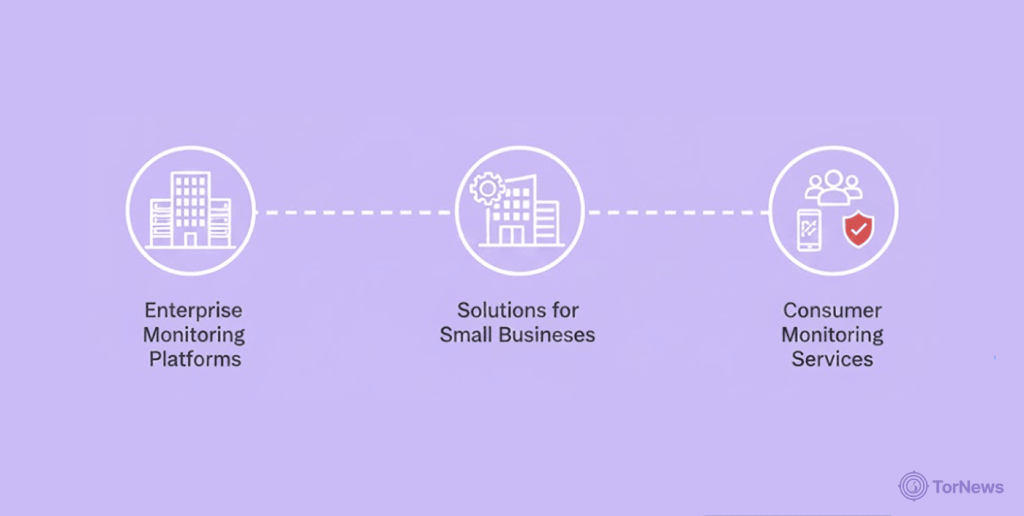
The options for dark web monitoring are not limited. In fact, there is a variety of dark web monitoring solutions available in the marketplace – from enterprise-only platforms to consumer services. Selecting the appropriate tool specifically depends on your requirements, budget, and tech capability.
Enterprise Monitoring Platforms
Large organizations that offer a variety of products and services often require a comprehensive monitoring solution that fits into their current security ecosystem.
Enterprise monitoring solutions typically include advanced features, such as threat intelligence feeds, workflows for incident response, and compliance reports. These are often coupled with user-defined reporting to allow for a vast array of monitoring capabilities.
Enterprise tools come with a dedicated security analyst who may review suspicious findings and provide advice back to the organization. This human component, on top of the monitoring, helps differentiate a truly critical threat from everyday criminal activity.
Solutions for Small Businesses
Small to medium-sized businesses require an inexpensive monitoring solution that does not place a burden on their technical capability level. These types of solutions may offer access to threat intelligence that is simplified through a dashboard view. They come with automated alert systems and are easy to use for non-security professionals.
Tools in this category are designed to cover the essentials of monitoring and provide ease of use, without the complexity of comprehensive threat intelligence and monitoring that can overwhelm users. They are ideal for businesses that need protection but do not have dedicated security teams.
Consumer Monitoring Services
Individual users may access basic dark web monitoring through identity protection services or credit monitoring companies. These consumer-focused programs monitor personal information (social security numbers, email addresses, and credit cards).
Although not as comprehensive as business options, consumer services can offer valuable protection for personal identity theft scenarios. They often come with a number of other identity protection features, such as credit card monitoring and identity theft insurance.
Dark Web Monitoring for Businesses
Organizations have unique considerations when it comes to implementing dark web monitoring programs. This is not a simple task, and some careful planning needs to be in place to ensure success.
Strategizing Implementation
Begin only after determining your most critical data assets and points of possible exposure. Customer databases, intellectual property, and company financials should be monitored as a first priority.
For each category of alerts, clear procedures need to be established for escalation. Not every detection requires an immediate crisis response. But when an organization finds a critical item, it will require immediate action to reduce the damage.
Integration With Security Operations
Dark web monitoring works best when it is absorbed into an organization’s security information and event management (SIEM) system. The SIEM will provide holistic threat visibility regardless of which attack vector it originates from.
The SIEM can turn automated runs into workflows that allow a security team to respond consistently, depending on the type of data discovered. For instance, if employee credentials are compromised, there may be a procedure in place to reset passwords for compromised accounts automatically. There may also be procedures in place to automatically notify customers in the event of a data breach.
Training and Awareness of Your Staff
Your monitoring program will only be successful if those using it are well-trained. You should provide training to security staff on how to interpret monitoring alerts and take rapid action, reliably, and effectively.
Conducting regular tabletop exercises allows your team(s) to rehearse how to respond to various breach scenarios and identify process improvements. These exercises will ensure that everyone involved is aware of their role when real alerts occur.
Measuring Success
Measure key metrics, including the time it takes from the initial breach to detection, measure alert accuracy rates, and the percentage of false positives. Use this data to refine your monitoring configurations and to demonstrate the program value when reporting to your leader.
You should keep case studies where monitoring actually prevented or at least minimized the damage from potential breaches. They serve as evidence of success, justifying that the business should continue to invest in monitoring solutions.
What Kind of Your Data Is on the Dark Web?
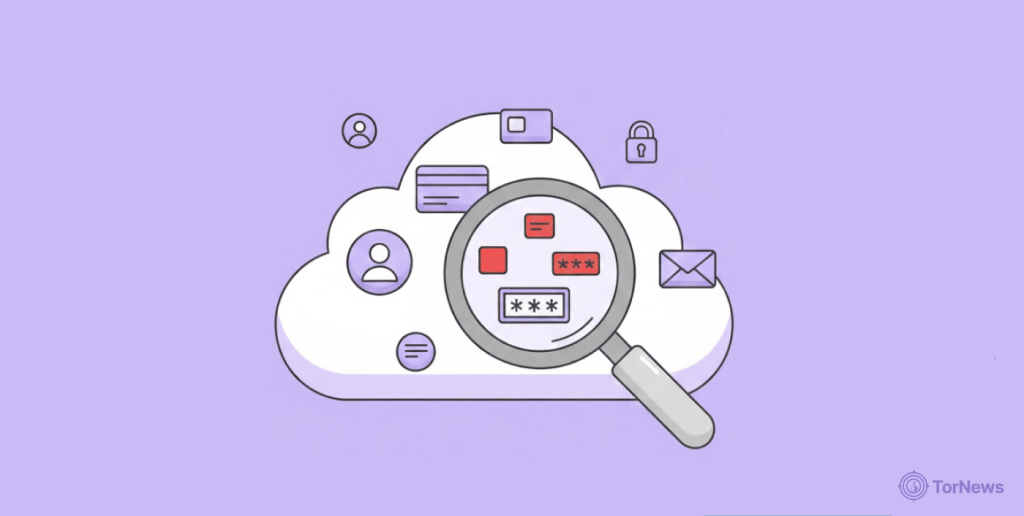
The dark web is a thriving marketplace for stolen information. Knowing what criminals generally sell helps you understand how far the threats can stretch.
Types of Information Dark Web Monitors Scan
- Personally identifiable information (PII): Names, addresses, phone numbers, social security numbers, and dates of birth are the building blocks of identity theft. Most PII is obtained from hacking into healthcare systems, government databases, or retail systems. Criminal markets typically group PII by geography, age groups, and record completeness. Full identity packages sell for higher prices than partial information.
- Financial credentials: Credit card numbers, bank account information, and payment processor information are products that sell quickly on criminal dark web marketplaces. Typically, stolen information is sold to criminals in bulk, where current and new accounts have premium price tags. Most financial data is attached to expiration dates, CVV codes, and billing addresses. Some markets offer guarantees for valid periods and replacements when the stolen financial credentials become unusable.
- Login credentials: Different login credentials for popular services such as Netflix, Amazon, and company email systems are often widely available. Many users simply reuse passwords across various platforms and accounts, making login credentials incredibly valuable to criminals. Business email credentials are even more dangerous. The reason is that they can provide criminals access to business communication, customer data, and further avenues for attacks.
- Corporate data: Intellectual property, customer databases, payroll records, and strategic documents are available for purchase in dark web markets. Corporate espionage is a growing threat, as many foreign governments and competitors are willing to pay for sensitive business information. Criminals can compile employee directories, organization charts, and documentation of internal systems to plan more sophisticated attacks against particular companies.
- Healthcare records: Medical records contain some of the most private information that criminals can exploit for insurance fraud, prescription drug schemes, or identity fraud. Healthcare data frequently sells for larger sums than financial data because it’s often more difficult to detect theft and change the information. Patient records contain not only health history and other medical data. They can also include insurance information or social security numbers and information about family relationships that can lead to complete identity theft.
What Types of Risks Does Dark Web Monitoring Expose?
Dark web monitoring is like having a friend who is in the know of the digital neighborhood’s underbelly. He spots your information in all sorts of risky places and notifies you:
- Third-party breaches: That online store you ordered from was hacked. They stole your login credentials. A monitor can find your information from their mistake.
- Data dumps on hacker forums: Criminals want to show off. So, they put out large overhead pictures of stolen data in hidden chat rooms. Your data could be out there in one of them.
- P2P leaks: Accidents can sometimes happen during file sharing. Private information is shared publicly in error. It’s a mistake for them, but it’s a big problem for you.
- Simple accidental leaks: An employee mistypes an SQL command, so their company database is suddenly opened to the entire internet. Woops! Now your data is out there.
- Brand misuse: Someone could be impersonating your company. It’s possible they are scamming your customers. This jeopardizes your reputation and their trust.
- Impersonations: A fake social media profile could be impersonating your CEO! This happens. Fake accounts like these are used regularly to mislead your staff into paying false invoices.
- Domain spoofing: Be aware of look-alike website addresses. Criminals are using them for phishing attacks, hoping you won’t see the small misspelling.
- Potential threats: Sometimes, the monitor may identify chats where criminals might be planning to attack your company. This gives you a valuable alert, a head-up to prepare just in case they come knocking.
It is all about finding these hidden threats for you. So you can take action before any real harm is done.
Is Dark Web Monitoring Worth It?
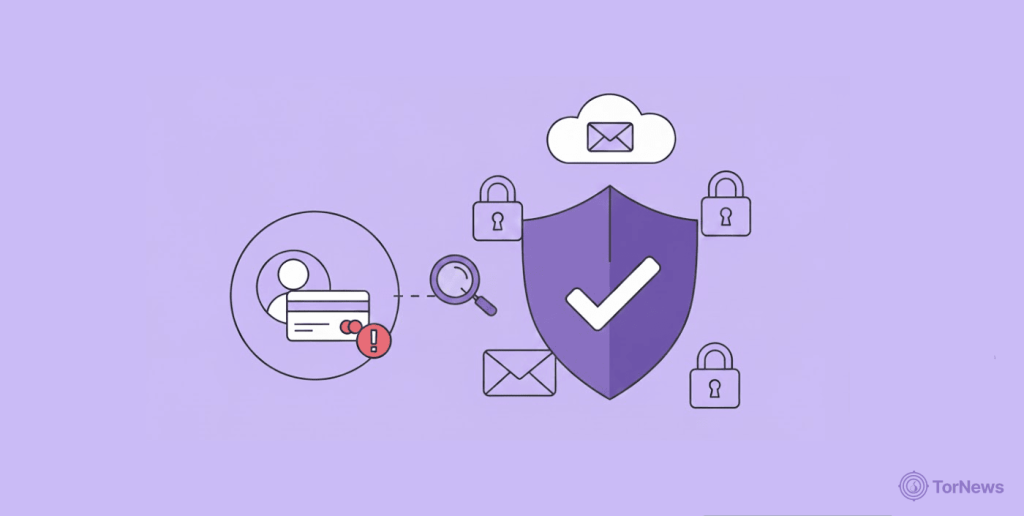
Whether dark web monitoring is really worth it depends on your risk profile, industry landscape, and the possible consequences if your data is breached. For the majority of organizations and consumers, the benefits far outweigh the costs.
Let’s take a look at a few considerations:
Cost-Benefit Assessment for Companies
First of all, you need to consider the true cost of a data breach. It’s not just the immediate financial loss, but the secondary loss. Reputation damage, consumer churn, regulatory fines, and legal costs all add up. They quickly multiply your initial cost to a large extent.
The costs associated with dark web monitoring are typically just a fraction of the damages associated with potential breaches.
According to a Cost of a Data Breach Report released in 2024, organizations that utilize extensive testing of information security (including dark web monitoring) had lower breach costs than those that do not employ such measures.
What Industry Are You In?
Certain industries that face higher regulation and risk may require monitoring. Healthcare, financial, educational, and government organizations deal with highly sensitive data that criminals actively seek.
Other industries that are at risk are professional services firms, law practices, and consulting organizations. These firms often house client data from multiple industries. The moment they attack one huge organization, they potentially expose data from numerous firms.
The Personal Protection Value
From a personal standpoint, dark web monitoring delivers peace of mind and early identification of identity theft. The average identity theft victim spends nearly 175 hours and thousands of dollars trying to resolve the damage that has occurred.
Monitoring can reduce that impact. Instead of realizing you have been the victim of theft when the bill collectors come calling, you can take protective action as soon as your information shows up online.
Return on Investment (ROI) Perspective
As you calculate the costs of monitoring, consider the losses if your data is breached but not detected. Consider not just the financial losses, but also the potential long-term reputation damage to the business, new customer acquisition costs, and opportunity costs of dealing with the response from the breach.
In fact, most organizations feel that monitoring pays for itself if it can prevent one serious breach or enable quicker response to contain the damage.
Who Actually Needs Dark Web Monitoring?
The short answer? Pretty much everyone.
If your organization deals with any form of sensitive customer data, then yes, you need it. If you possess something valuable like intellectual property, then it’s probably worth considering. Basically, any business that could be a target for hackers is a good candidate for it.
How Does Your Personal Information Get to the Dark Web?
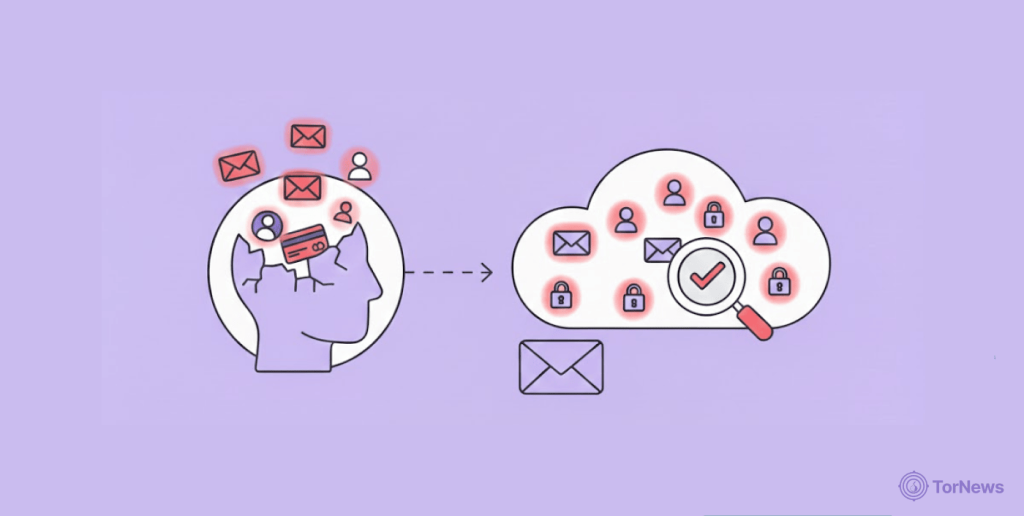
Now that’s a scary thought, right? Your personal information ends up for sale in hidden online markets. Criminals steal information and sell access to it to the highest bidder.
They will use a few common exploits to get it:
- Phishing: Those authentic-looking fake emails? They try to trick you into giving up passwords.
- Malware: Sneaky software can be loaded on your device. It will stealthily locate and steal your information.
- Insecure networks: Public Wi-Fi can be a dangerous place. If a hacker is in the same place as you, they can see everything you are doing.
- Software weaknesses: They are exploiting vulnerabilities in applications. These vulnerabilities allow criminals to cause harm and obtain sensitive data.
- Keylogging: This records every key you type. That is how they learn your passwords.
- Screen Scraping: This is exactly what it sounds like. It only takes an image of your screen to obtain information.
When they have enough information about one person, they piece it all together into a package. That package is called “fullz.” It contains everything: name, birthdate, social security number, and address. These fullz are sold for profit. In some cases, hackers sell vast amounts of data stolen from whole companies.
It’s a sad reality for sure. But at least knowing how it happens is the first step to being safe.
So What Happens If Your Information Shows Up on the Dark Web?
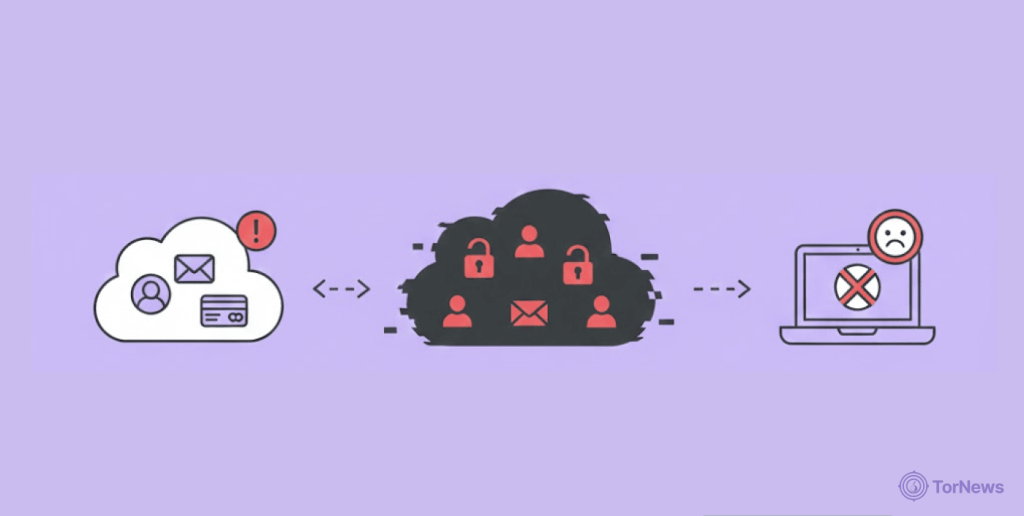
Finding out your data is on the dark web can be really unnerving. However, don’t become frantic. You are not alone. Data breaches on a large scale are obviously common in today’s world. Many of us might even have some of our information out there already.
For most people, it’s just a wake-up. A motivation to take action. Here’s what to do:
- Change your passwords: Start with your most critical accounts. I like banking and email.
- Monitor your credit: Keep an eye on your credit card and watch for any suspicious activity.
- Think about replacing your credit cards: If your card information was compromised, this is a smart option.
Think of this situation as finding a digital breadcrumb. You can still prevent anyone from following the breadcrumb trail.
For businesses, the need to respond is much stronger. You are protecting your customers’ trust. Discovering your data on the dark web is a sign of real concern. It means your defenses were compromised.
These risks are real. Companies can be sued, suffer reputational damage, and face heavy penalties. Stolen logins can also lead to further attacks as criminals use them to see if they can break into other systems.
So if you receive an alert, hurry and act. This is your notice that your data could be used for future fraud or illegitimate access. If you act quickly, you may lock the criminals out before they do real harm.
Why Use a VPN for Dark Web Safety
So far, we have learned that data breaches can occur due to our own mistakes, hidden loopholes in our security systems, or when someone in the company or a close associate shares sensitive information on the dark web.
Okay, we get it. You can only for a few reasons, and using the dark web monitoring tools, you can minimize the risk of potential damage. But what if someone is monitoring our activity? That’s a major problem, too.
But we also have a solution for this — a VPN. Why this tool? You might think it’s just a product to bypass the geo-restrictions, but this is its one quality. You are forgetting others. It changes your IP address, provides a new one, and encrypts your online traffic, so no one can see what you are doing.
Why NordVPN is Great for Dark Web Safety
Privacy is more important now than it has ever been, and NordVPN understands this. They offer many layers of security to keep you safe and hidden online.
NordVPN uses technology trusted by many of the best security professionals in the world, which gives you more confidence browsing online.
Some of its key features include:
- Military-grade encryption: NordVPN uses military-grade encryption to shield your data. It’s the same standard that protects government secrets (now guarding your online activity), hence the name ‘military-grade encryption.’ This makes your data virtually unreadable by anyone around.
- Future-proof technology: NordVPN plans for tomorrow’s threats today. It uses post-Quantum cryptography to safeguard against future threats. This is leaps and bounds beyond what most other VPNs offer.
- NordLynx protocol: NordLynx gives you speed while still retaining a high level of security. You’ll neither lose performance nor protection, which is important for safe browsing.
- Obfuscated servers: These hide your use of a VPN and make your traffic look like regular internet browsing; perfect for someone trying to stay concealed.
Built-in dark web monitoring
NordVPN comes with a dark web monitoring feature that watches for any exposure of your information on the dark web. This scanner basically checks if your data has been compromised on the dark web. If your email or other information about you is detected, you will be notified.
The good thing about this is that you get an early warning that a hacker might be about to use your information. So you can take action before it escalates. You can then change passwords, username, etc., before something happens. The best part? This is all included in your VPN subscription.
Additional security features:
- Threat protection pro: This feature can help block malware sites, ads, etc. This helps stop malware before it infects your device and prevents some forms of attacks against you. It’s like your coolest friend warning you that someone is talking smack behind your back.
- RAM-only servers: No data is saved to hard drives, and everything clears right after you disconnect the VPN.
- Third-party verifications: Experts regularly audit NordVPN’s security claims. This independent verification from third-party auditors helps to build trust. You know their promises are real.
Final Word
In today’s world, it is a gamble to assume your data is safe. Dark web monitoring takes the guesswork out of that equation. It is like having a vigilant neighbor, always looking out for you, scanning the horizon for threats to give you a signal to take up your shield and defend yourself.
Dark web monitoring provides actual alerts that you can act on. It will locate your information long before real trouble starts. The price you will pay is insignificant when compared to the damage a breach can cause you.
Don’t let a breach teach you a hard lesson. By taking this small, low-risk step, your security awareness will increase exponentially. In the digital world, awareness is your best defense.
Taking action now will have your future self thanking you. Take that first step toward securing what matters now.
FAQs
Costs vary based on what you need. Personal plans usually run anywhere from $10-$30 a month. Businesses will usually pay more, depending on their size and the amount of data being monitored.
No, it can’t prevent data breaches from happening. It serves as an early alert system. This allows you to take action quickly to protect your accounts and reduce your losses.
A top-tier service continuously scans dark web platforms and can often find your data within hours of it being posted online. Otherwise, there can be delays in breach detection if fraudsters wait to sell data.
Free dark web monitoring gives only basic monitoring, such as scanning for your email. Paid versions will scan more sources and usually notify you faster.
Change your passwords or accounts immediately and enable two-factor authentication. If your financial data is disclosed, you should contact your bank. They will often be able to provide protection for your account.
Dark web monitoring works best on structured info, like emails, passwords, or credit card numbers. Unstructured data, such as documents or images, is more difficult for automatic tracking.
There are no tools that can guarantee that. Think of dark web monitoring as an additional layer in your overall security strategy. It is designed to give you a head start so you can respond and act fast!
No. Unfortunately, once your data is out there, there’s basically no way to completely erase it from the dark web. The goal of monitoring is to give you an alert to protect yourself and take preventive measures before something unfortunate happens.