In a digital world where anyone could track your online actions, privacy has become crucial than ever. The harsh reality is that your Internet Service Provider (ISP), government agencies, and marketers are always watching you.
That brings in a Virtual Private Network (VPN), not the one you’re thinking of. If you genuinely care about anonymity, you need a no-log VPN.
These VPNs do not keep records of your online activity. They have strict and verifiable no-logs policies. This ensures that even if a legal authority asks for your online data, they don’t provide it, because they don’t have it. Simple.
Top No-Logs VPN Services – Quick List
- NordVPN: A renowned private VPN that has been verified multiple times by independent auditors for its no-logs claim, has a huge server network with the additional use of RAM servers.
- ExpressVPN: It’s a swift and reliable VPN that is known for its proprietary Lightway protocol and history of an independently audited no-logs policy.
- Surfshark: A budget-friendly VPN that provides unlimited simultaneous connections, a verified no-logs policy, and a fantastic value option as a VPN.
- Proton VPN: This is a strong privacy-first, Switzerland-based VPN, with a good reputation and open-source apps, with a truly trustworthy free plan.
- Total VPN: An option when you need basic protection and peace of mind while doing anything on the internet. It doesn’t keep records of your online browsing, and the user interface is also simple.
Why No-Logs Policies Matter

The most essential aspect of a VPN’s privacy guarantee is a no-logs policy. If there’s no such policy, the VPN is simply another intermediary with a voyeuristic view into your personal data.
By using a true no-log VPN, your online activity cannot be traced by government agencies, ISPs, or other prying eyes. And even if government officials come calling, there is simply no data to hand over. A no-log policy protects your internet activity, and more vitally, no information is saved or shared by the VPN providers themselves.
If there’s no record when you use a no-log VPN, there’s no possibility of any information being collected. Also, there’s no chance of it being sold or subpoenaed, and it could never be compromised in a data breach.
The no-logs policy is a reliable privacy tool rather than a potential liability to your privacy. If you’re thinking about privacy tools more broadly, it’s worth understanding the full landscape. For a deep dive into how these services compare, check out our complete comparison of Tor vs VPNs.
Types of VPN Logs
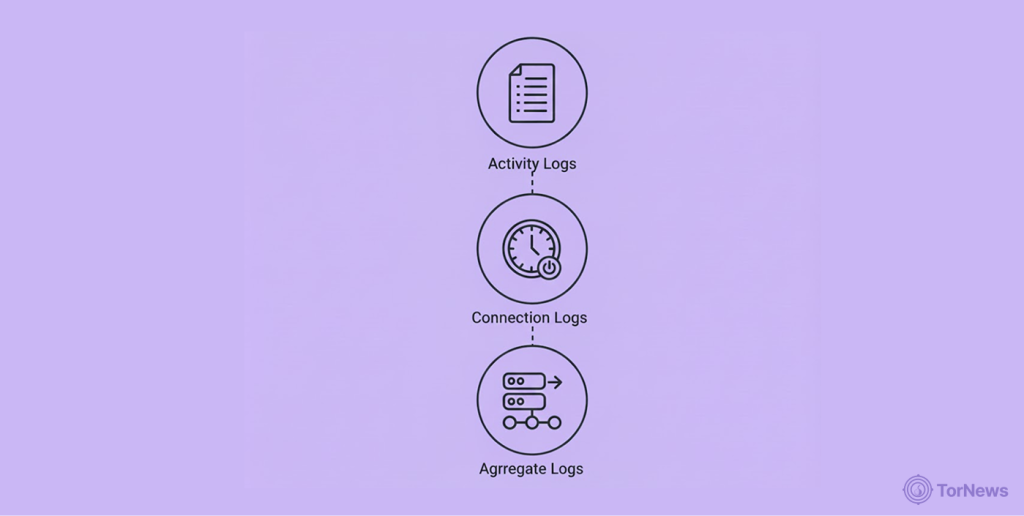
Not all logs are made equal, nor are they at the same level. A true no-log VPN will not keep any logs. But it helps to know the different types of logs to know what to look for and what to avoid.
- Activity logs: These are the most dangerous. These logs are where everything you did online will appear, including the websites you visit and every file or application you used or downloaded. A VPN that doesn’t support such records won’t ever keep them in the first place (simple, right?).
- Connection logs: These logs will contain information about your connection to the VPN. Usually, it tells everything you wouldn’t want it to record, such as the date and time you used the VPN and the address of the server you passed your data through, plus all the web data that passed through that connection.
- Aggregate logs: These logs don’t cause any harm to the users, as they are just the VPN service anonymizing information about the users’ interaction with the VPN. It could be the number of users that each server supported, and it has nothing to do with personally identifiable information. It is just for the VPN to manage & improve their server network. A no-log VPN that does what it says may keep aggregate logs, but no one can use them to identify you.
Best Anonymous VPNs – Detailed List
Here’s a detailed look at our best anonymous (no-logs) VPNs for Android and iOS, and every other major platform. We selected each one based on a strict set of criteria to ensure they can deliver on their promises of anonymity.
1. NordVPN
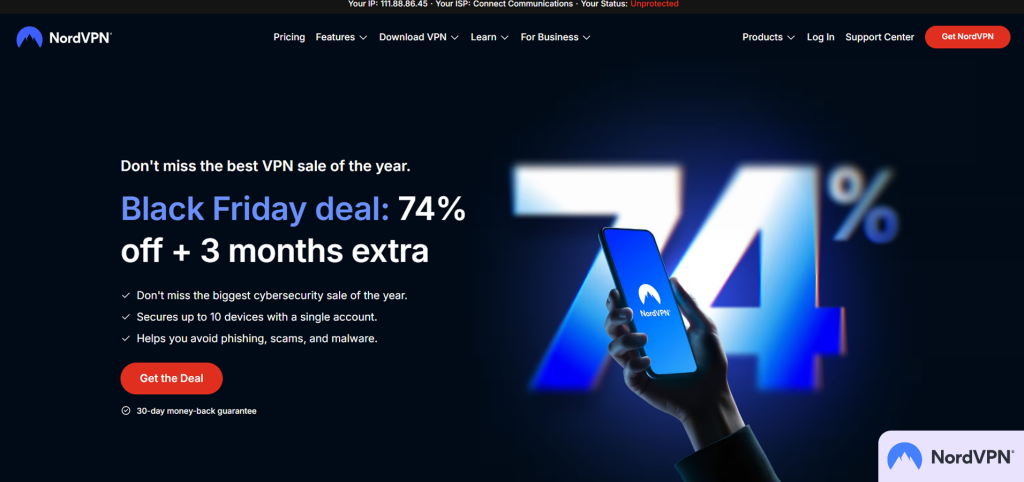
- Website: NordVPN.com
NordVPN is one service you can be proud of in the VPN industry (as per our tests and research). It is the top choice of most internet users, especially when they want to achieve private movements online. It ensures its users remain anonymous while using the internet, and also doesn’t keep records of their activities.
The VPN has a no-logs policy that has been audited by several independent entities, with a comprehensive audit by Deloitte in 2022. The audit showed that the VPN does not log user activity during browsing, nor does it keep a record of IP addresses. Not even the timestamps of when you connect.
The service’s main office is in Panama, a place where privacy is the utmost priority. This ensures that people’s data should be private for them, as such doesn’t force companies to retain users’ data based on its laws. Additionally, the VPN uses RAM-only servers, so it can’t record user data because anytime a reboot occurs, all data disappears instantly.
With more than 8,000 servers in 120+ countries, it is easy to find a fast and stable server location regardless of your needs. The apps are clean, intuitive, and usable across all major platforms. While NordVPN’s monthly prices are on the high side, its longer-term subscriptions offer significant discounts. Considering its large feature set, performance, and verified no-logs policy, the VPN offers value for money.
VPN uses military-grade AES-256 to encrypt users’ data. It also has a Kill Switch that disconnects your internet connection if the VPN connection drops. This makes sure that your data doesn’t leak. The VPN also has a special Threat Protection feature that goes beyond basic ad-blocking and scans for malware and other viruses. It has both OpenVPN and its proprietary NordLynx protocol based on WireGuard to provide memorable speeds without losing security.
2. ExpressVPN
- Website: ExpressVPN.com
Many users regard ExpressVPN as one of the best VPNs for security, privacy, and speed. The VPN doesn’t believe in keeping the records of users’ data. This shows that it really pays attention to making sure people remain private online.
ExpressVPN abides by a policy that prevents any form of data logging. One aspect of its commitment is the TrustedServer technology. It is a proprietary technology from ExpressVPN, which means each server runs on RAM. This approach makes sure that no data stays on a hard drive & every time the server restarts, the data disappears. Additionally, the VPN service is based in the British Virgin Islands, a place that values people’s privacy. Meaning no data retention laws.
It also uses AES 256-bit encryption, a standard that everyone knows and commends in the industry. Its kill switch (off switch, in ExpressVPN terms) is Network Lock, and is very reliable. In addition, the Lightway protocol is proprietary and was designed from scratch to be lightweight and fast. This ensures the VPN works smoothly and reliably, especially on mobile devices.
If you set aside your budget worries, ExpressVPN is one of the most expensive VPNs right now. However, it is expensive for a reason; it is high-performing, easy to use, and has a successful track record of privacy. And, the 30-day money-back guarantee means a user can try it risk-free.
3. Surfshark
- Website: Surfshark.com
Surfshark is a VPN service that is also worth investing in. It offers a high-quality feature set at a price everyone can really afford. If you want to use a VPN solution on every device you own, without breaking your bank account, Surfshark is a good one to consider.
It has a policy that it won’t log users’ data, and the German cybersecurity firm Cure53 has audited it. This audit confirmed that Surfshark does what it says. It doesn’t keep the data logs of its users’ browsing history, nor their IP addresses, or connection timestamps. Surfshark’s main office is in the Netherlands, a place where the authorities support user data protection, making sure citizens enjoy their privacy even online.
The service uses the AES-256 encryption & supports many modern protocols, of which some are WireGuard and OpenVPN. The VPN has a default auto-kill switch, and also provides other unique features, which include “CleanWeb” to block ads, trackers, & malware domains. The VPN’s Dynamic MultiHop (Double VPN) feature allows for routing your traffic through two servers for an extra layer of encryption.
It is arguably the best value VPN in the game. The long-term pricing is incredibly cheap, especially when considering unlimited devices and a complete set of security features.
4. Proton VPN
- Website: ProtonVPN.com
Proton VPN is a distinctive provider with a strong focus on transparency and privacy. Its founders, scientists who met at CERN, are committed to making privacy a human fundamental right. This service provider has a good name in the industry because its users have many reasons to trust it as well.
The service’s headquarters is in Switzerland, which has some strong privacy laws. Securitum (a top European cybersecurity firm) has audited this VPN’s no-logs policy. One other thing to mention is that the service has a very beneficial feature they call “Secure Core,” which moves your traffic through more than one hardened server the company has in countries where privacy reigns supreme, such as Switzerland & Iceland.
It uses the same AES-256 encryption and WireGuard protocol. Their VPN Accelerator can enhance speed sometimes by as much as 400% especially when users connect from long distances. Proton VPN also offers seamless integration with the Tor network via its “Tor over VPN” servers for an extra layer of anonymity when accessing specific online layers. If you’re exploring tools for enhanced privacy, understanding the landscape is key (crucial than ever, we must say). Accessing the Tor network is different from browsing the much larger, mostly benign deep web. To learn what that entails (from your medical records to academic databases), you can read our explainer on what the deep web is.
Proton VPN is currently one of the only trustworthy free VPNs available, boasting unlimited data and a no-logs policy. This is why we consider it.
5. Total VPN
- Website: TotalVPN.com
Total VPN is a new player that values simplicity and efficiency. It’s an excellent choice for users who want to safeguard their online privacy without dealing with technical and complicated features.
It has a simple no-logs policy, which states it doesn’t record or monitor your online usage. Though it has not been independently audited, the company’s redaction policy, as stated on its homepage, is publicly clear. The company’s headquarters is in the UK, which places much respect and value on users’ privacy above all else.
Even though the service uses the normal AES-256 encryption like many others, it also has a standard kill switch, which prevents data leaks. The VPN utilizes modern protocols like Wireguard & Hydra, so you can expect good speed & security when you switch it on.
The VPN has not gone through an independent audit; however, you can find its no-logs policy directly from its homepage. They also bundle with a few other services like TotalAV and Total Adblock, making it an added level of security and serving as a good all-in-one tool in digital protection.
Comparing the Key Features of No-Logs VPNs
| Provider | No-logs policy | Jurisdiction | Audited | RAM-only servers | Kill switch | Price | Simultaneous connections |
|---|---|---|---|---|---|---|---|
| NordVPN | Strict | Panama | Yes | Yes | Yes | From $3.99/month | 10 |
| ExpressVPN | Strict | British Virgin Islands | Yes | Yes | Yes | From $6.67/month | 8 |
| Surfshark | Strict | Netherlands | Yes | Yes | Yes | From $2.49/month | Unlimited |
| Proton VPN | Strict | Switzerland | Yes | No | Yes | Free, or from $4.99/month | 10 |
| Total VPN | Strict | UK | No | No | Yes | From $4.99/month | 5 |
How We Test No-Log VPNs
When we review a no-log VPN, we don’t just take their word for it. We run a comprehensive multi-point analysis to ensure they deliver what they promise regarding online anonymity.
- Security: We test for IP, DNS, and WebRTC leaks to ensure that your real IP address is never disclosed. In addition, we analyze how strong their encryption is and how effective their kill switch or core security features work. We also make sure that they offer modern security protocols like WireGuard or Lightway.
- Privacy documentation and provider history: We go deep into their policies, terms of service, and history to evaluate any incidents. We take a critical look at whatever claims they have and any independent third-party audits supporting their no-logs policies.
- Performance and usability: We perform real-world speed tests showing how much the VPN impacts the performance of your connection. Besides, we evaluate the actual user experience of their apps and platforms and ensure the interface is user-friendly.
- Customer support: A reliable VPN service should provide responsive and helpful customer support. We test their support options (i.e., live chat and email) to determine how quickly and accurately they answer questions about their no-logs policy, security features, and other features.
- Value: We compare all our selected VPN services against the total price to determine whether the VPN gives value for money. It is a balance between the features, performance, and security that you receive for the cost of subscribing to the service.
Is There a Free No-log VPN I Can Trust?
This is a difficult question to answer. Most of the time, the answer is a straight no. Usually, when it comes to free VPNs, there is a cost; either they capture your browsing history in order to track you and sell your information, or they inject ads into your browser without your knowledge.
If protection is why you are using a VPN, then going with a free service is completely self-defeating. We recommend avoiding free VPN services as they tend to be slow, offer poor encryption, and have limited servers to choose from.
But here is a big exception: Proton VPN Free Version. It is a trusted resource that offers a free service. Since its mission is to advocate for privacy as a human right, its free service does not log your information, there are no ads, and there are bandwidth limits.
Although it does not offer many free server options (and it is slower than the paid service), it is an honest option for free users. So, for those looking for the best free no-log VPN, Proton VPN is currently the best option around.
Are Zero-Log VPNs Safe?
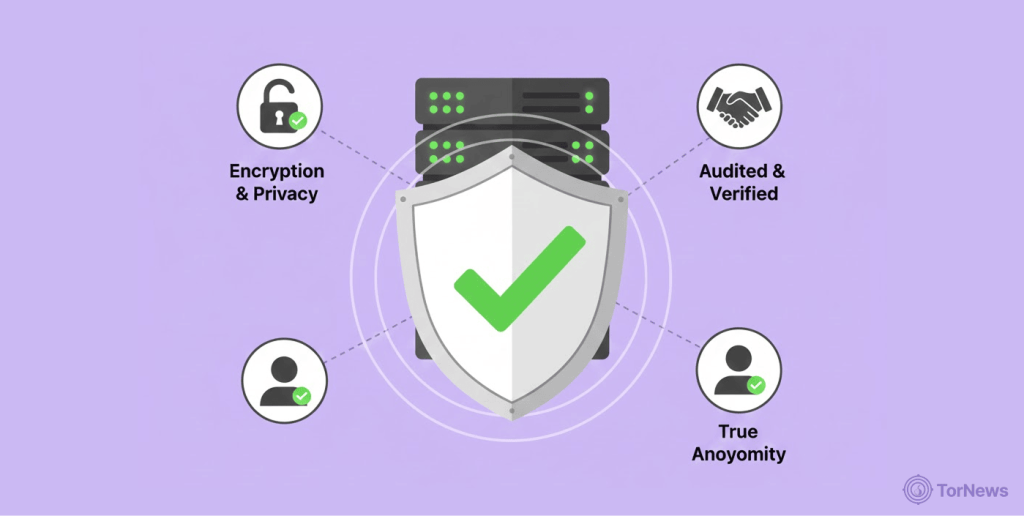
Yes, absolutely. This type of VPN is safe for everyone who wants to protect their privacy when using the internet, no matter where they live. The main reason VPN even exists is to keep you private and secure when you visit the web, and a service that doesn’t log your data is the fulfillment of the promise.
Here’s why they are so safe:
- No Data to send or steal: If, for any reason, the government asks the VPN company to send them your data, or if criminals hack your information, a no-log VPN would not have anything to give or lose to thieves. They don’t record anything about your movements, not even your IP addresses.
- Independent audits: VPNs that don’t log data usually will prove it, and not only state it. Services like NordVPN & Surfshark put their systems through audits by independent auditors. These auditors test the company’s infrastructure & policies to check if the service has saved any user information. The trust you can have in a service like that is unmatched because the auditing has been verified.
- Transparency and trust: Companies that call auditors to test their services & also allow them to publish their findings show how seriously they take their users’ privacy. These audits make the users trust them more because they have proved that there are no lies behind the screen.
How to Install a No-Log VPN
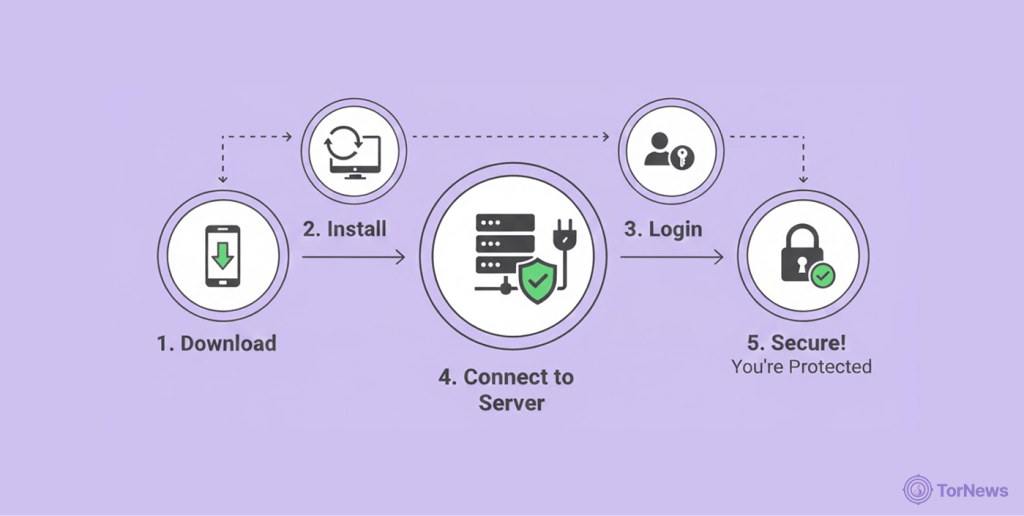
The process to set up a no-log VPN is easy and doesn’t require much technical knowledge. Follow the steps to learn how to set up a VPN.
Step 1: Choose & Subscribe
First, choose a VPN that doesn’t log users’ data from the above list, such as NordVPN, and subscribe to a plan according to your needs.
Step 2: Download the App
After subscribing, download the appropriate VPN app for your device, whether it be Windows, macOS, iOS, or Android.
Step 3: Connect to a Server of Your Choice
Open the app you just downloaded and enter your login details so you can then connect to a server.
It’s up to you. You can connect to the suggested server (it offers the best ping), or you can choose a country from the list and connect to it.
Step 4: Verify the Connection to the Server
Once you are connected, you can perform a simple DNS leak test to verify that you are truly hidden, both your IP address and all of your data.
How Do I Know a VPN is Not Keeping Logs?

If you check the VPN market, many will tell you they don’t keep logs of their users’ data. But do you think all of them are telling the truth? Can you really trust what they say without checking for yourself? We believe it’s better to check things, and you can do that by following 3 things:
Audited No-Logs Policy
This is by far the most important item. An independent audit done by a reputable firm (such as Deloitte or PwC) provides external, unbiased confirmation that a VPN’s no-logs policies are real. That is a paradigm shift because you would not have to just take their word for it.
Jurisdiction
The jurisdiction where a VPN is located is a huge deal. Countries that have enacted strong laws to protect the privacy of people online & do not ask the companies to log people’s data are the best places to choose. This is why we recommend using a VPN that has its office in countries like Panama or the British Virgin Islands.
RAM-Only Servers
Some of the best no-logs VPNs are now using RAM-only servers. This means that the service stores data only in RAM & not on the hard drives.
Whenever a server reboot takes place, everything in the RAM disappears, and no one will restore it, as there will be no trace. That technology ensures it is impossible to log any user information, providing the highest level of privacy.
VPNs With a History of Logging
While knowing what you have to look for is important, knowing what you ought to avoid is equally important. Some VPN providers state they have a no-logs policy, but have later gone on to provide users’ data.
1. HideMyAss (HMA)
HMA handed logs to authorities in 2011 that led to the arrest of a LulzSec hacker. The provider claimed to be a no-logs VPN at the time. This incident made people see them as liars because they showed that unless there’s an audit from outside auditors, no user should believe just what the companies say.
2. PureVPN
In 2017, PureVPN handed over logs to the FBI, which helped the authorities capture a cyberstalker. PureVPN was making claims then that it doesn’t log users’ data as part of its policy, but the incident showed people the company wasn’t telling the truth. So, this makes it very important that a VPN provider should allow third parties to audit their systems and share their findings with users.
3. IPVanish
In 2016, IPVanish handed over logs to the Department of Homeland Security, which also aided them in arresting someone who allegedly abused a child. This is clear proof that the company didn’t practice what they claimed as a service that has the “no-log policy.”
Picking a good VPN is one step you must take if you value your privacy, especially online. But bear this in mind, all the VPNs you find are not the same because it is the policy of not logging your data that proves they are protecting you. The only service that will stand by its promise of anonymity is the service that does not log your information.
When you purchase a VPN, you’re not paying for a hidden IP address; you are paying for peace of mind. A VPN such as NordVPN can be considered a complete digital security solution that protects online activity from prying eyes.
FAQs
A no-logs VPN is a service that makes sure all information about your stay on the internet while connecting to the VPN doesn’t appear anywhere. The things that it will not record include even your IP address and your online activity.
Yes, many people & several countries use VPN services, including the ones that don’t log data at all. So it is legal to use it when visiting the web. A VPN is a tool that protects people online by hiding them from monitoring eyes. However, if you use the service and you aim to steal materials that don’t belong to you or commit a crime online, then of course, its usage is illegal for you.
All VPNs will affect your speed a little due to encryption. But the best no-log VPNs use modern protocols that are lightweight, such as WireGuard & proprietary ones like NordLynx & Lightway that will help reduce the effect the service would have on your speed.
Most VPNs you get for free should not be your interest at all because they will record your data, put advertisements that distract you or even sell your data for money. The truth is that free services must make money from their services, and since you won’t pay directly, they sell your information for the money. Therefore, avoid free VPN services and use the free versions of premium VPNs, such as Proton VPN.
It is safer to torrent with a VPN that doesn’t log data. A reputable VPN with no-logs policies & even a “kill switch” will hide your IP address very well, making sure no one catches it, including the copyright trolls &ISPs.
This type of VPN doesn’t have any business with malware. It hides you very well while you move around the internet. Many premium VPNs have extras ad-blocking and malware-blocking features (NordVPN offers Threat protection, and Surfshark has CleanWeb). So, yeah, some of them can protect you from them. However, we recommend using an antivirus to avoid all types of malware and viruses.
There is no difference; these phrases are used interchangeably by VPN companies to communicate the same idea: they do not keep records of your online activity. More important than the name is that auditors from outside the company should verify the policy.