-
Seven people face a 131-count indictment for running an organized identity theft ring in Denver.
-
The group created a fraudulent version of Colorado’s official “myColorado” app to produce fake digital IDs.
-
Their elaborate scheme, involving stolen mail and dark web data, caused at least $175,000 in losses.
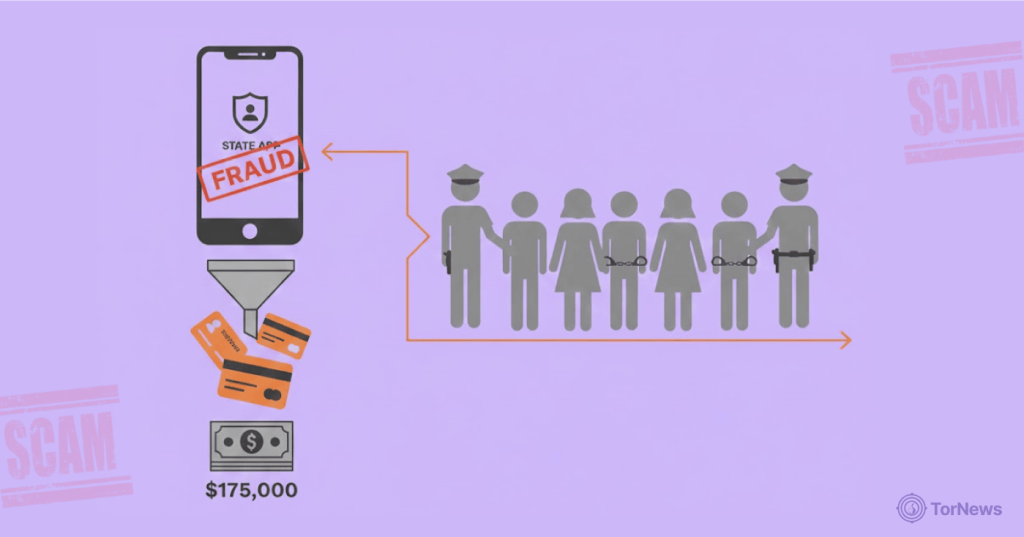
A Denver grand jury just dropped a massive indictment on an identity theft crew. These seven people are facing a staggering 131 criminal counts.
Their operation was shockingly sophisticated. They even built a fake state app to clone digital driver’s licenses.
Seven Individuals Indicted for Identity Fraud
Denver District Attorney John Walsh announced on Friday that seven people are being charged in connection with a $175,000 identity fraud scheme. The charges say it was a planned operation that supposedly went on from September of last year until now.
The group worked together to steal personal information. They then used it to commit fraud for their own gain. DA Walsh warned that such crimes devastate victims’ finances and sense of security.
How the Elaborate Scheme Worked
The members used several methods to get their hands on private data. They created fake “arrow keys” to break into apartment mailboxes. They also bought stolen information off the dark web, a marketplace increasingly flooded with personal data, as seen in recent similar breaches.
Mail theft gave them credit cards, IDs, and other valuable documents. This provided the fuel for their entire operation. With this data, they could impersonate real Denver-area residents.
Next, they took the fraud to a digital level. The group developed a cell phone app. It mimicked Colorado’s official “myColorado” app, which holds digital state IDs. This tactic demonstrates how criminals are specifically exploiting state-level digital systems, a vulnerability highlighted in recent research on regional threats.
They acted as administrators on their fake app. They added realistic-looking holograms and barcodes to the fake IDs. This made the digital credentials appear official. They even sold these fake IDs to others for profit.
From Stolen Mail to Costly Purchases
The stolen identities were then put to work. The group used them to apply for credit cards and book hotel rooms. They also purchased vehicles from local car dealerships.
They subleased the fraudulently booked hotel rooms for more profit. According to the indictment, they spent the ill-gotten money on food, illicit drugs, and gifts for friends.
The total financial damage is significant. Authorities say the ring defrauded victims and businesses of over $175,000. Losses came from vehicle purchases, hotel stays, and retail scams.
The seven indicted individuals are Jordan Ashley, Ryan Jennings, Keiichi Hiramatsu, Douglas Jump, Kaisha Valentin, Shawn McClintock, and Brandon Clements. Their charges are severe – they are said to have violated the Organized Crime Act in Colorado, plus burglary, stealing identities, and faking documents.
DA Walsh said that a group effort in the investigation helped crack the case. The Economic Crime Unit of the District Attorney’s Office worked together with the Denver Police, and the U.S. Postal Inspection Service on the investigation.
If this indictment tells us anything, it’s that bad actors and criminals can never hide from the law. Officers and prosecutors are ready to go after those carrying out organized identity theft with everything they’ve got.
