-
Brooklyn prosecutors and the FBI shut down 241 fake crypto investment websites and 112 servers linked to a global scam.
-
Investigators say the scheme stole tens of millions of dollars from people across the United States, especially Russian-speaking residents.
-
Officials seized about $300,000 in stolen funds and found a second scam that promised to help victims get their lost crypto back.
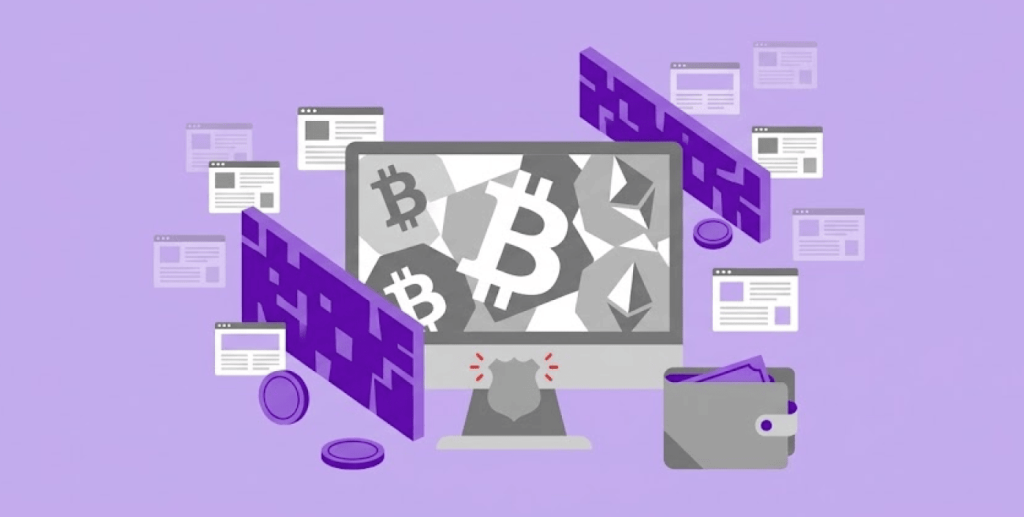
Brooklyn prosecutors say they have broken up a large crypto scam network. The announcement came on October 14, 2026. Officials say the scheme stole tens of millions of dollars from victims across the country.
FBI Joins Brooklyn Office to Dismantle Scam Infrastructure
The Brooklyn District Attorney’s Office dismantled a multinational cryptocurrency investment scam. Cryptocurrency is digital money that people send online. The operation hit 241 fake investment domains and 112 servers that kept the scheme running. A domain is simply a website address. A server is a computer that stores a website and keeps it online. Every fake site needed a server to stay live.
According to the official announcement, the office’s Virtual Currency Unit teamed up with the FBI. Their work followed a three-year investigation. Authorities carried out search warrants, which are court orders that let officers collect evidence, and other enforcement actions across three time zones. These actions focused on the systems behind the fake websites.
Investigators traced the scheme’s digital setup to Ukraine and other parts of Eastern Europe. They followed internet protocol addresses, which show where a computer sits online. Companies in Eastern Europe and the United States hosted the seized servers. Those servers held website data, victim information, and software that ran the scheme.
District Attorney Eric Gonzalez said the scammers aimed at Russian-speaking communities nationwide. He added that people in Brooklyn felt the damage most strongly.
Prosecutors also said they had disrupted or seized about 400 other domains tied to crypto investment fraud before this action. That earlier work removed hundreds of fake sites. The scammers kept building new ones anyway. So investigators went after the servers that supported those sites.
The latest move aimed to make it harder for the operators to rebuild their websites. It also aimed to limit their chances to contact current victims.
Russian-Language Facebook Ads Pulled Victims Into Fake Investments
According to investigators, the scheme began with Russian-language Facebook ads. The ads promoted investment opportunities. Victims who responded then received phone calls from people who spoke Russian. These callers posed as investment advisers. They walked victims through opening accounts on fake crypto investment platforms.
The scheme reached victims across the United States. They bought cryptocurrency and sent it to wallet addresses linked to the fake platforms. A wallet address works like an account number for crypto. The websites then showed made-up profits, so victims believed their money was growing. In truth, they had handed real money to scammers and received only fake numbers on a screen.
Trouble started when victims tried to take their money out. Some lost access to their accounts. Others heard they must pay extra fees or taxes before they could reach their funds. Those demands gave the scammers one more way to pull cash from victims.
Phishing campaigns pose another threat to financial customers, as attackers use deceptive messages to steal information and exploit victims. A separate report detailed a massive phishing attack targeting Canada’s finance sector, with data allegedly involving 750,000 people offered on the dark web.
Prosecutors estimate the scheme stole tens of millions of dollars. Reports say some victims lost their entire life savings.
The investigation also uncovered a second scam that offered crypto recovery. According to the District Attorney’s Office, the operators contacted victims weeks after the first fraud. They falsely promised to get the stolen assets back. This put victims at risk of further losses as they tried to recover from the first fraud.
Officials Recover $300,000 but Name No Suspects
The Brooklyn District Attorney’s Office said it had seized about $300,000 in stolen funds. The office is working to recover more assets. Still, the amount recovered so far sits far below the estimated losses.
The announcement did not name any suspects or report any arrests. It also left out a full list of the 241 disrupted domains. A social media report named two of them, cleartr-division[.]com and quantumia-tech[.]com. That report is not an official list. Readers should check the official announcement before they treat any domain name as confirmed.
The case shows a hard problem for police and prosecutors. Crypto fraud groups often run their systems across several countries. Taking down single websites may warn possible victims. Yet operators can quickly make replacements if the servers and software behind them stay reachable.
Investigators went after both the domains and the servers behind them. They believed this approach could disrupt the operation more broadly than removing websites alone. It also aimed to limit the group’s ability to keep defrauding people.
The District Attorney’s Office urged the public to stay careful with online investment offers. It named offers promoted on social media and backed by advisers who promise attractive returns. Investors should check trading platforms on their own.
They should also avoid sending more money to recover funds they already lost. In short, the office wants people to pause and verify before they send money to any trading platform.
