-
Cybercriminals from the Krybit group attacked Eurohold Bulgaria AD on July 19, threatening to publish confidential corporate files online.
-
Financial holding companies are increasingly facing ransomware attacks due to large amounts of sensitive customer data and market information being stored by them.
-
Security experts advise that organizations should implement multi-factor logins and keep backups offline; they seek legal advice before engaging with attackers for ransom.
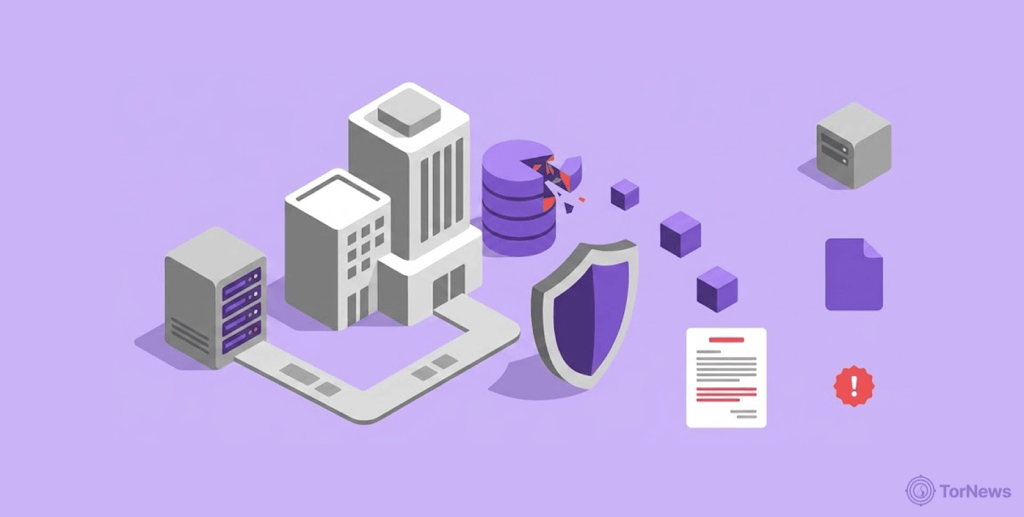
Cybercriminals hit Eurohold Bulgaria AD in a serious digital attack on July 19 this year. An extortion group named Krybit claimed full responsibility for targeting the firm. The company operates as a prominent investment holding across the financial sector in Bulgaria.
Attackers targeted the primary official website of the corporate group. The criminal group posted their claim on a hidden leak website. The hackers threatened to release private business files online. They demanded swift contact from company leaders through designated private messaging channels.
This incident shows how digital extortionists endanger major financial businesses. Expert security observers monitor the ongoing situation closely. Also, Eurohold management works to secure sensitive business information across all operations.
The holding firm controls large insurance subsidiaries and energy assets in Eastern Europe. Local authorities investigate the digital break-in to determine the scope of stolen data. Security teams analyze the network breach to protect operational systems.
How the Digital Extortion Group Operates
Currently, online criminal syndicates lock business files to demand huge money payouts, known as ransomware attacks. Hackers sneak inside corporate computer networks to snatch confidential operational records.
Next, the criminals encrypt local databases to prevent regular employee access. Krybit uses a hidden website to post notices of stolen files.
The tactic of posting stolen data online is also seen in the SeAH attack, where core blueprints appeared on the dark web. Furthermore, the bad actors pressure target victims with strict payment deadlines.
Most security experts strongly advise companies against paying extortion demands; also, authorities encourage businesses to report breaches directly to specialized law enforcement teams. Paying criminals rarely guarantees full recovery of stolen company files. Consequently, victimized companies often face double financial losses from ransom payments and recovery costs.
Krybit warned Eurohold that public file exposure would begin shortly. Meanwhile, tech teams search corporate computers for remaining security vulnerabilities. Staff members check all operational systems to locate entry points.
Today, modern cyber extortionists target medium and large companies across every industry; as a result, organizations must build strong defenses to stop intruder movements inside their networks.
Security experts recommend fast isolation of infected machines to stop software encryption from spreading. Additionally, proper system monitoring alerts administrators to unusual data transfers.
Rising Threats Facing Financial Holding Companies
Recently, financial holdings have become top targets for international criminal groups. Holding companies store valuable banking customer details and private investor records. Therefore, a single network breach can expose thousands of personal profiles.
Eurohold manages major investments in insurance and utility markets across Southeastern Europe. Naturally, an operational disruption creates severe ripple effects across regional financial markets.
Usually, organized hackers exploit weak passwords to breach company defenses. Cybercriminals often purchase stolen worker logins on illegal hidden message boards.
Besides, entry through legitimate user accounts helps attackers bypass basic security software. Attackers quietly explore corporate servers before launching their file-locking scripts.
Additionally, bad actors copy internal staff emails to increase leverage during extortion negotiations. Organizations must detect these unauthorized users before file destruction occurs. Overall, early warning tools provide vital protection for modern financial networks.
Crucial Defensive Actions to Stop Ransomware
Companies must monitor dark online pages for leaked worker passwords. Early tracking allows security staff to reset stolen credentials fast. In addition, IT administrators should run complete reviews to find hidden network entry points. Specialists search servers to clear out unauthorized backdoors created by hackers.
Also, organizations need isolated offline copies of all crucial business records. Safe offline backups allow fast recovery without giving money to extortionists. Specifically, technical recommendations from the US Cybersecurity and Infrastructure Security Agency stress strong multi-step login protections. Extra identity checks block attackers even when workers lose their passwords.
Furthermore, companies must train employees to recognize tricky fake emails. Staff awareness forms a crucial wall against everyday phishing attempts.
Finally, leadership teams should hire expert incident responders before speaking with criminals. Legal advisers help companies navigate strict regulatory reporting rules after data breaches.
Rapid expert guidance prevents costly missteps during active extortion events. Also, proper incident planning helps companies protect customer trust during difficult crisis situations. This means that security investments protect company assets against unpredictable cyber events.
Looking Ahead in the Cybersecurity Landscape
Cyber threats have seen a substantial increase in recent times. As such, organizations must now regard cybersecurity as an ongoing concern.
Organizations can no longer depend on standard antivirus programs to keep malware out of their operations. Rather, they will need to adopt a strategy consisting of several protective layers to ensure the security of their most sensitive financial data.
Meanwhile, regulators in Europe demand stronger data privacy systems throughout the commercial sector. This means that proactive threat detection remains the best defense against evolving digital extortion groups like Krybit.
