-
Dutch prosecutors are demanding a 3-year sentence for a 21-year-old British man who allegedly helped run Bohemia/Cannabia.
-
The dark web marketplace facilitated international drug sales and criminal services, with the Netherlands ranking as the seventh-largest exporter.
-
Police impounded 31 bitcoins worth €1.7 million, charges him for child sexual abuse material in his possession.
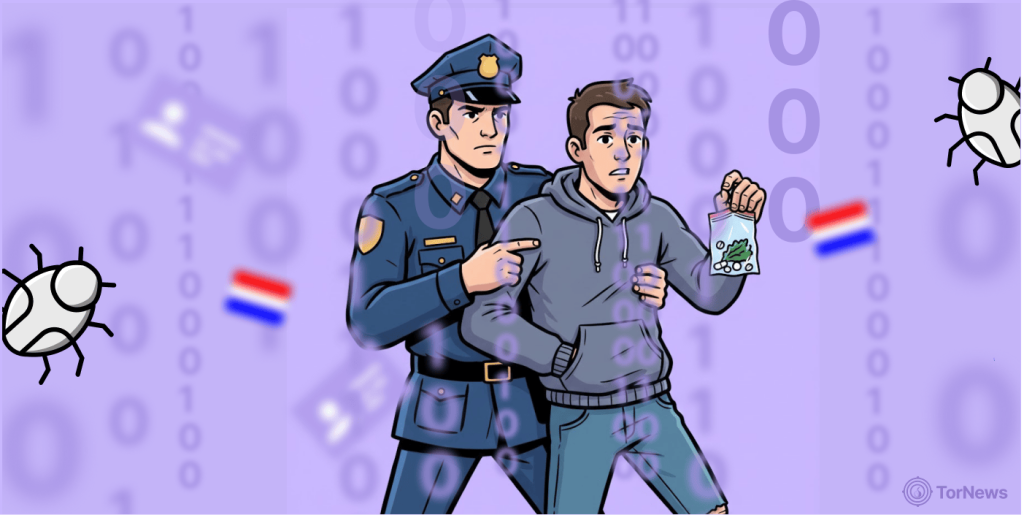
A young British man who reportedly managed the world’s biggest dark web drug hub is now facing critical repercussions in a Dutch court. The Public Prosecution Service is pushing for a 3-year jail term for the suspect and seizure of millions in crypto as he pleads guilty to playing a major role in Bohemia/Cannabia.
This dual platform operated on the dark web, where sellers could anonymously trade hard drugs, soft drugs, medicines, and even exploit DDoS attacks. The marketplace had sellers and customers across 54 countries worldwide.
Dutch Investigation Uncovers International Operation
The investigation into Bohemia began in August 2022 when Dutch authorities discovered the platform was partially operating on servers in Dronten. The High Tech Crime Team of the National Investigation and Intervention Unit worked closely with international partners due to the marketplace’s global nature.
The Netherlands ranked seventh among the largest exporters on the platform. By early 2024, investigators had already linked twenty thousand orders to Dutch sources. This made the country a significant hub in the criminal network.
Police arrested him on June 27, 2024, at Schiphol Airport as detectives discovered major proof of his role on his laptop and phones. They also impounded 31 bitcoins, which were equivalent to €1.7 million (approximately $1.8M USD) at the time of seizure.
The investigation reveals the suspect’s progression through the criminal organization. He began writing scripts for Bohemia in 2019 when he was still a minor. However, he quickly assumed an increasingly prominent role in setting up, managing, and securing the online drug market.
The suspect used “bulletproof servers” to create a hidden service called Bohemia on the Tor network. This allowed users to trade illegal goods anonymously without detection. In 2023, he alleges he got the opportunity to become a “partner” and manage the work of one of the top executives of the organization.
Issues arose shortly after, as other admins failed to show up and funds vanished. The suspect became the only person working on Bohemia while simultaneously attending school. The online drug market eventually shut down, but not before operating for at least two and a half years.
Living Large on Criminal Profits
While the suspect claims he was drawn into crime because of his young age, prosecutors view the situation differently. They argue his participation was no isolated incident. The market operated for at least two and a half years. During that period, he worked 24/7 to earn a fortune.
“He lived by it, too,” the prosecutor stated plainly. The investigation reveals conversations with his brother about how to legitimately generate and spend his $1.8 million fortune. He was setting up an internet casino. He leased many high-end residences, travelled by private jet. This individual is not merely an immature young man who turns to criminal behaviour; he has been planning an extensive and continual scheme of criminal acts and leading a lavish lifestyle as a result.
The suspect had previously been charged with multiple offenses related to drug trafficking and money laundering but the police uncovered more horrifying information about the case through the suspect’s Telegram account during further investigations.
Detectives found many images depicting child sexual abuse and exploitation on the suspect’s Telegram account over a period from September 2023 through February 2024. The investigators uncovered several messages evidencing that the suspect had paid for this content using Bitcoin, which provided evidence for additional charges of child pornography against him.
The Rotterdam District Court is expected to announce its decision within two weeks from today. The prosecutor has requested the forfeiture of thirty-one Bitcoin that the suspect had in his possession when he was arrested.
As a result of continued cooperation between international police forces, investigators will continue to develop their ability to obtain specific knowledge, intelligence, and coordination. Even on the dark web, using the Tor network and cryptocurrencies, they leave digital trails behind.
He was setting up an online casino. He rented luxurious accommodations and traveled by private jet. This wasn’t some naive kid who stumbled into crime. This was calculated, sustained criminal activity with a lavish lifestyle to show for it.
The charges don’t stop at drug trafficking and money laundering. Police discovered something far more disturbing on the suspect’s Telegram account. Between September 2023 and February 2024, investigators found images of child sexual abuse material.
Chats revealed that he paid for these images using Bitcoin. The man now faces an additional charge of possession of child pornography. This discovery adds a deeply troubling dimension to an already serious case. The Rotterdam Court will issue its ruling in two weeks. Beyond the prison sentence, prosecutors are demanding the forfeiture of all 31 bitcoins seized during the arrest.
This case demonstrates that the dark web isn’t as bulletproof as criminals believe. International cooperation between law enforcement agencies is getting smarter and more coordinated, a fact underscored by operations like the Dutch police raid on a criminal hosting provider in Dronten that supported dark web activities. Even when operating through Tor networks and using cryptocurrency, criminals leave digital footprints.
