-
Federal prosecutors sentenced the last of four men who operated one of the top-tier drug distribution channels on the dark web according to authorities.
-
The drug group shipped cocaine, methamphetamine, ketamine, as well as MDMA via LA County post offices across the United States.
-
A six-years-long FBI investigation exposed the operation that took crypto assets for payments and voluminous postage orders to cover their activities.
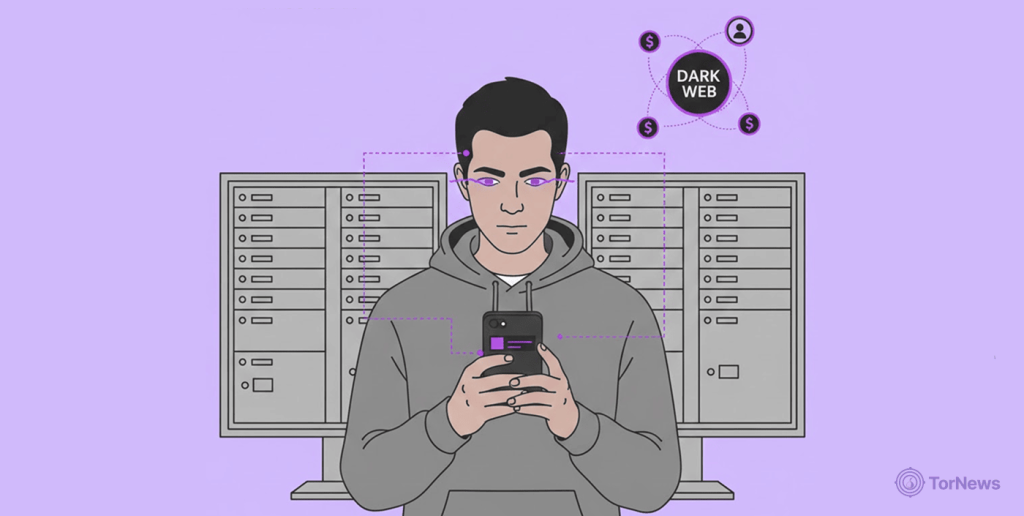
A judge sentenced the last member of a top-tier dark web drug trafficking group to almost five years imprisonment in federal custody on Tuesday. The operation moved massive quantities of illegal drugs through ordinary Los Angeles County mailboxes for years.
Federal authorities called it an extraordinary case. The group built one of the most prolific drug distribution networks ever documented on the dark web.
JoyInc Vendor Account Operated for Years
36-year old Davit Avalyan of Glendale pleaded guilty in October. Now, he is to serve a 57-month prison sentence on conspiracy charges. The Office of the United States Attorney verified that he agreed to deliver and possess methamphetamine, cocaine, MDMA, and ketamine, with plans to deliver.
Three other defendants received their sentences earlier. Hrant Gevorgyan, 36, of Glendale, Hayk Grigoryan, 36, also known as Hayk Greg, of Glendale, and Gurgen Nersesyan, 44, who went by Guro Tiko, of Sherman Oaks, all faced federal prison terms ranging from two to 10 years.
The four men created and maintained vendor accounts under names like JoyInc on multiple dark web marketplaces. Federal prosecutors backtracked the operation to around 2018. They marketed cocaine, methamphetamine, ketamine, as well as MDMA to consumers all across the US who paid in virtual currencies.
Federal prosecutors described the operation’s scale in stark terms. According to their statement, authorities believe JoyInc represented one of the most extensive methamphetamine and cocaine distribution networks in dark web history.
Postal Service Became a Distribution Channel
The operation relied on a deceptively simple distribution method. Customers placed orders through the dark web marketplaces. The men then wrapped and delivered the illicit substances from Los Angeles County to drop-off points across the nation via the U.S. Postal Service.
Court documents revealed specific details about Avalyan’s role. He obtained tracking labels and purchased bulk quantities of postage stamps from United States Post Offices specifically to ship drug orders. This method helped the organization avoid detection while processing high volumes of illegal shipments.
FBI Investigation Spanned Six Years
Federal authorities apprehended the four peddlers last year following an investigation that commenced as far back as in November 2018. A secret agent of the FBI made the initial breakthrough by successfully ordering two grams of cocaine from the vendor account of the group.
The FBI conducted numerous additional test purchases over the following years. Court documents confirm federal authorities made many similar controlled buys from the JoyInc accounts. All of the transactions provided proof that a continuing criminal enterprise was taking place.
These long-term undercover operations have become a hallmark of dark web drug enforcement, the same tactics that led to the conviction of a US man selling counterfeit Xanax, who was also caught through repeated controlled buys and mail interdiction.
As the investigation went on, federal agents deployed multiple search warrants. Prosecutors said that during these raids, law enforcement groups seized cash and illicit drugs in large volumes, proving how wide this operation is.
This case shows that sneaky stores in the dark web continue facilitating drug trafficking, even with authorities standing in their way. The investigation involved multiple years’ worth of undercover work and cooperation between several federal agencies.
All four defendants received lengthy prison sentences for the serious crime of operating a large-scale drug distribution ring that abused both the anonymity of cryptocurrency and the functioning of the U.S. Postal Service.
The end of JoyInc brings to an end what the federal prosecutors described as one of the most significant drug trafficking operations being operated in a dark web marketplace.
The multi-year investigation and successful prosecution signify that the federal government is committed to finding and prosecuting dark web criminals, no matter how long they have been operating.
