-
The Illinois Department of Human Services announces a data compromise which exposed records of 700,000 residents.
-
The agency revealed that exposed data wasn’t due to a hack but through a misconfiguration within its internal system.
-
Illinois Department of Human Services (IDHS) confirms the actions taken to remedy the security exposure – this does not change the potential damages stemming from the initial exposure.
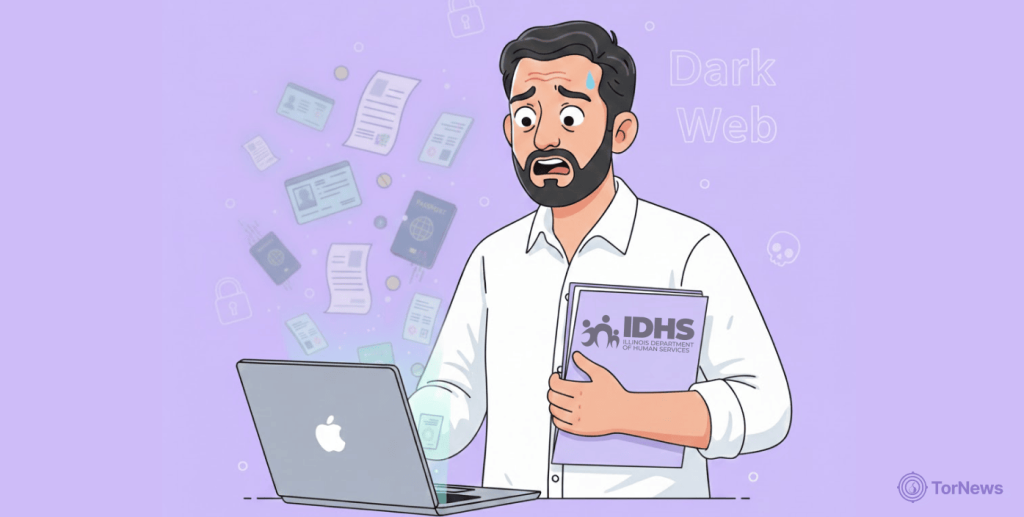
The Illinois Department of Human Services has announced that sensitive information about nearly 700,000 Illinois residents has been accidentally posted to the internet for several years.
The agency revealed that a misconfiguration allowed outsiders to access the department’s internal information. The error was not the result of hacking.
State authorities first discovered the issue in September 2025, when they found that internal planning maps used by the department were mistakenly viewable on a public website. The department intended the maps for internal staff use to distribute services and resources, but improper privacy settings left them accessible to anyone on the internet.
The Nature of Exposed Records
According to the department’s own statement, the exposed files included details tied to two major groups:
- Medicaid and medicare savings program members: Approximately 672,616 individuals had their mailing addresses, case numbers, demographic data, and names of their medical assistance plans displayed online.
- Customers of the Division of Rehabilitation Services (DRS): Approximately 32,401 individuals had their names, addresses, case statuses, and referral notes displayed online.
Officials are still investigating whether the exposed data included Social Security numbers or other sensitive personal information. The department has yet to confirm any incidents of misuse of the exposed information.
What Went Wrong and How Long Data Was Accessible
Cybersecurity experts said that the incident illustrates the potential impact of even non-malicious errors on major data leaks. As mentioned earlier, IDHS misconfigured the internal map’s privacy settings, allowing search engines to index it and anyone with the map’s URL to access it.
The situation went unnoticed for several years. Local reports indicated that the map tools were publicly accessible from April 2021 to September 2025, until a proper investigation led IDHS to disable access.
When a privacy breach occurs, federal laws, including HIPAA, require that organizations that have access to protected health information provide notifications to all affected individuals as soon as possible after a breach occurs.
In this incident, IDHS took over 100 days from discovery to publicly notify residents, raising questions about whether it complied with notification requirements.
In addition to IDHS’s data breach, there have been other data breaches related to state government agencies recently. For example, Minnesota DHS recently revealed that a separate data breach in late 2025 exposed information for more than 300,000 individuals.
These incidents highlight a pattern of systemic vulnerability in state systems that tracks with broader research into which regions are most susceptible to identity fraud and cybercrime.
Concerns for Residents and the Subsequent Risks from Breach
This breach has produced significant alarm within the community of state lawmakers and privacy advocates. Some Illinois legislators have criticized the department’s handling of sensitive records and questioned why it took so long to detect and disclose the issue. One lawmaker described the situation as showing “incompetent” data protection at the state level.
Cybersecurity experts warn that leaks involving government data can be particularly dangerous. Once criminals access your Social Security number, you cannot change or erase it like a password or credit card number.
If criminals have access to your Social Security number, they can use it to steal your identity and make false claims against public benefits or otherwise perpetrate fraud for many years.
Leaked personal information often becomes a key ingredient in sophisticated financial schemes, including the types of international cryptocurrency fraud operations that are increasingly targeted by global law enforcement.
Officials urge residents whose Social Security numbers were exposed to take immediate precautions. Residents should review their credit reports regularly, place a fraud alert or credit freeze if needed, and enroll in any identity monitoring services the state provides.
Other suggestions from industry participants include creating strong passwords, enabling two-factor authentication and taking other preventative measures for online accounts to protect themselves from follow-up attacks.
While this was a significant event, the Illinois Department of Human Services has corrected the privacy issue and instituted new procedures for safeguarding customer data against accidental releases in the future. They have also informed federal regulators and are sending breach notification letters directly to the affected customers.
As the investigation proceeds, many people in the local area and privacy advocates are urging for increased oversight and more regular audits on government-maintained databases in order to prevent future occurrences similar to this one.
