-
A security firm found serious vulnerabilities in popular Android therapy apps that could expose tens of millions of extremely sensitive user data, including private mental health conversations.
-
The potential leak involves extremely personal details about anxiety, depression, and trauma from apps with tens of millions of downloads.
-
The impacted apps include prestigious, well-funded platforms used by governments and healthcare institutions, not just small independent tools.
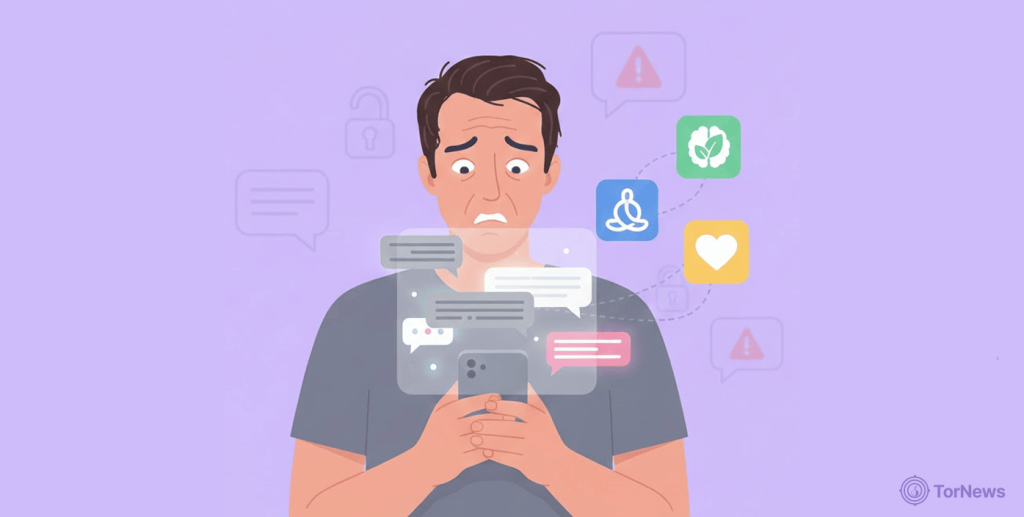
A firm called Oversecured discovered major security holes in several popular Android therapy apps. These apps promise confidentiality but have a dangerous flaw. The gap allows access to users’ most sensitive data, including private health-related conversations.
This security breach is a nightmare: you share your deepest fears and struggles with a therapy app, trusting it to stay private, only to discover strangers can access and sell your data online.
The Security Flaw
A technical weakness in the Android system, known as an ‘intent vulnerability,’ caused the problem. This flaw is in how apps communicate with each other. Oversecured scanned therapy apps on the Google Play Store. They found more than a quarter of them had this same type of security hole.
The researchers are not naming the specific apps yet. For now, the app developers are playing it safe and have told the developers about the issue, and they’re patching things up. They’re keeping quiet for now so crooks don’t cause trouble.
How Much Data was Compromised
The scope of this potential leak is enormous. The affected apps aren’t small, unknown tools. They are major platforms with tens of millions of combined downloads. More alarmingly, these apps have facilitated hundreds of millions of sensitive conversations. This means a vast trove of private mental health data is potentially at risk.
Oversecured gave some clues about the affected apps. One is a highly engaging AI therapy solution with millions of active users. Another has a prestigious “FDA Breakthrough Device” status for treating depression. Some apps are even used in state-run health programs across Europe. These are not obscure tools—they have undergone clinical trials and are backed by major firms, insurance companies, and government agencies.
Why This Data Leak is Concerning
You can cancel a leaked credit card number, but you cannot undo a leaked mental health conversation. This information is uniquely sensitive. Data collected through these apps could fall into the wrong hands, leading to serious consequences such as blackmail, extortion, or identity theft. Victims could face discrimination or profound personal violation.
These are not hypothetical risks, as demonstrated by massive data breaches where the personal information of millions, including Social Security numbers and contact details, has been dumped on the dark web, leaving victims vulnerable for years to come.
The discovery casts a harsh light on the booming digital mental health industry. Apps promise a safe, confidential space. This report shows how bad actors could exploit a technical flaw in the application, putting user data at risk. Protecting user data must be the highest priority for these applications, other than to have them promoted as good for the users.
What Should Users Do Now?
For now, Oversecured is waiting for the app developers to patch the vulnerabilities. They will share more information once they close the security holes. In the meantime, they offer clear advice for users. Be very careful about what personal information you share through any digital therapy app. Make sure to update your apps regularly. Security fixes are only useful if you install them.
This case is a crucial reminder. As we embrace technology for mental wellness, we must demand the highest security standards. Our most private thoughts deserve the strongest possible protection. The industry must demonstrate that it deserves the public’s trust, a trust repeatedly broken by incidents that expose how fragile our digital health infrastructure remains, from individual apps to the global software they often depend upon.
