-
An anonymous internet seller is advertising a massive combined database containing nearly seven billion unique phone identity records.
-
The hacker is asking for five thousand dollars for the full collection, which includes large data sets from India, China, and the United States.
-
Security experts state that the file is likely an aggregation of old data breaches rather than a fresh system compromise.
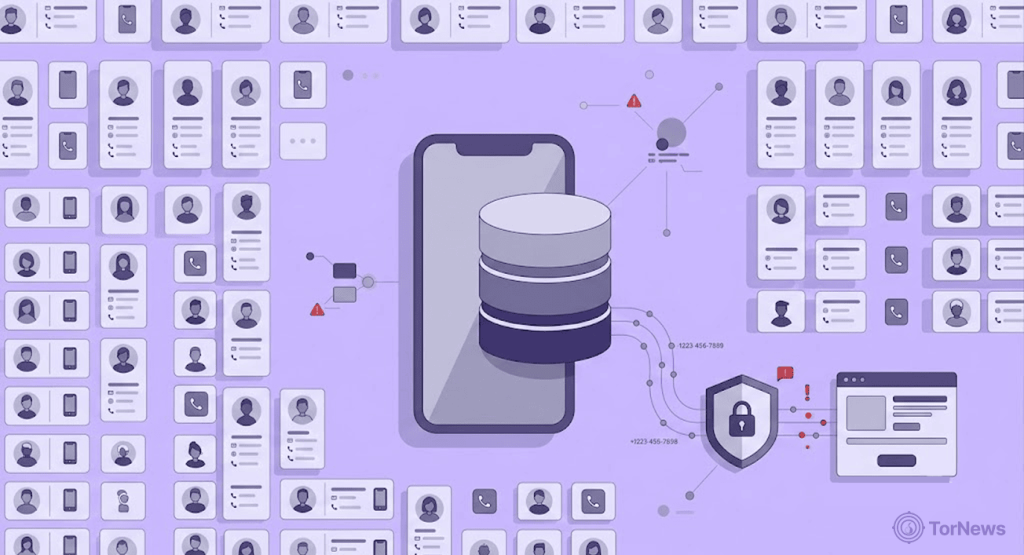
A mysterious internet seller claims to offer a massive collection of personal phone numbers for sale online. Consequently, this alarming advertisement has triggered widespread security worries among mobile phone users around the whole world.
The digital rogue is currently marketing this gigantic file dump on a notorious underground messaging network forum. Furthermore, the massive dataset reportedly contains personal identity details belonging to nearly seven billion unique global accounts.
However, independent software analysts have not yet confirmed the true origin of these compiled phone directories. Therefore, international security groups are urging citizens to handle incoming phone calls with extra caution today.
Explaining How the Massive Mobile Identity Collection Affects Everyday Telephone Users
The anonymous hacker states that the stolen files belong to a specific automated digital utility program. To explain this simply, the seller claims to own the complete backend records of a popular Telegram bot tool.
This software functions by gathering caller identification details from various popular lookup services across the web.
The compilation of phone records mirrors other mobile data breaches, a hacker has claimed 387,000 customer records from a Czech mobile provider.
The system combines information from common utility apps like CallApp, along with other widely used global phone directories.
For instance, the main directory platform, known as Truecaller, provides instant identification labels for incoming calls. By bundling these digital directories together, the criminal actor created a massive target list for malicious groups.
The seller wants to receive a flat payment of five thousand dollars to release the entire global collection. Alternatively, the hacker offers to sell smaller, individual country file bundles to criminals who have less spending cash.
The seller organized the vast electronic records using a specialized digital filing layout known to programmers as JSONL. According to the marketing post, the database contains around 1.36 billion entries from residents living inside India.
The document also contains 848 million Chinese records and 297 million from the USA. In addition, there are 245 million from Indonesia and 221 million from Nigeria in the file.
The rest of the documents also comprised hundreds of millions of citizens from Pakistan (220 million), Brazil (182 million), Bangladesh (151 million), Ethiopia (118 million), Mexico (113 million), and Russia (112 million). Due to this massive scale, almost any regular mobile user could have their details trapped inside this package.
Why Internet Scammers Gather Old Information Bundles to Create Large Security Targets
Safety researchers point out that this massive collection probably does not come from a new network hack. Instead, modern digital thieves usually build these giant files by combining multiple old pieces of stolen information together.
They scrape public records, extract details from historical company leaks, and abuse contact synchronization features on mobile applications. Consequently, the app copies every friend’s name and number onto an external server without their direct permission. Over several years, these tiny address book pieces grow into giant mountains of electronic identity files.
Therefore, these combined databases allow bad actors to create highly detailed profiles for millions of unsuspecting citizens. Scammers use these specialized profiles to launch highly effective trick campaigns using text messages and voice calls.
Experts call this specific electronic attack strategy social engineering, which involves manipulating human feelings to steal money. For example, a thief can use your real name and location to pretend they work for your local bank – subsequently, the confused target might willingly hand over their secret banking codes during the stressful phone conversation.
The threat monitoring teams at Searchlight Cyber track how underground actors actively buy and sell these identity logs. Their regular threat logs show that access to phone numbers helps thieves bypass basic security questions during bank robberies. Furthermore, criminals use these text messaging lists to send out malicious download links disguised as package delivery updates.
Smart Steps to Defend Personal Smart Devices Against Strange Network Callers
To protect against these widespread telephone tricks, regular mobile users must modify their daily device habits immediately. Firstly, individuals should avoid answering incoming phone calls from completely unknown or heavily masked telephone numbers. If an unexpected caller claims to represent an official business, you should hang up the phone right away. Secondly, users must never share one-time security codes or password phrases with anyone who calls them unexpectedly.
Moreover, you can download specialized call blocking software to automatically screen out known robotic spammers every day. Many modern smartphone operating systems now include built-in filters that label suspicious incoming calls as potential fraud.
The consumer protection teams at the Identity Theft Resource Center provide excellent educational guides on modern identity defense. Additionally, citizens must practice extreme caution when clicking on web links sent through short text messages.
Finally, you should regularly review the privacy settings on your active social media and mobile application profiles. You must disable any options that allow random internet applications to read your personal smartphone contact books.
By shutting down these channels of communication, you guarantee that hackers will not compromise your friends’ phones in the future. Ensuring high awareness and keeping a healthy amount of doubt remains the best shield against digital theft.
