-
Delta, a major Russian security systems provider, witnessed a big cyberattack that caused widespread outages with customers unable to use car alarms, unlock vehicles, or deactivate building alarms.
-
The company confirmed in a statement that it didn’t have a strong enough security infrastructure to withstand the attack and recovery is slow as they try to avoid follow-up strikes, forcing updates via social media.
-
Delta says customer data wasn’t compromised, but people are scared and customer trust wears thin following an unverified leak claim on Telegram and the system’s access to payment data via its app.
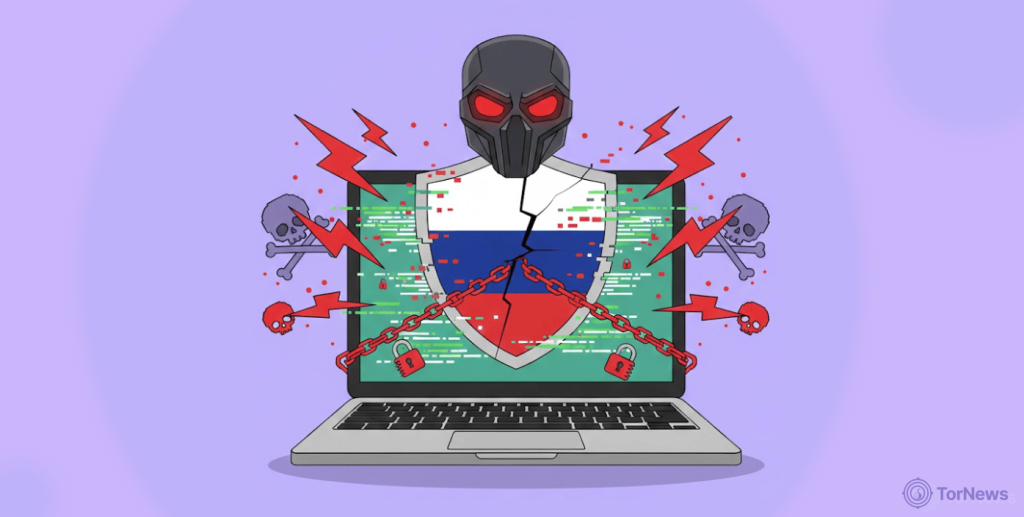
A severe cyberattack brought Delta, a leading provider of alarm and vehicle security systems, to its knees this week.
The attack reports started surfacing on Monday, January 26, triggering massive service failures, and due to this, the company couldn’t communicate with customers via their normal channels.
This incident shows that our increasingly connected and automated safety nets also come with their own vulnerabilities, which are oftentimes hidden.
Service Outages Create Serious Real-World Havoc
The disruption spread like wildfire, extending from Delta’s IT infrastructure to affecting the daily lives of customers who rely on Delta’s security systems. User complaints compiled by Baza, a local news outlet in Russian, and the newspaper Kommersant looked like the whole thing was fullblown system dysfunction. The remote unlock feature in cars failed, leaving people unable to enter their cars.
In more dangerous situations, some reported their vehicle engines shutting down unexpectedly while the car was in motion. In addition, alarm systems in homes and businesses switched into persistent emergency mode with nonstop sirens that the owners couldn’t silence or deactivate.
Despite the company trying to calm everyone down by suggesting that most of their services were getting backto normal, reports of people’s panic still surfaced. This indicated that there’s a disparity between what users experienced and official statements.
In a video statement, Valery Ushkov, the marketing director at Delta, addressed the public, admitting how big the problem was. He noted in his statement that “Our architecture was unable to withstand a well-coordinated attack coming from outside the country.”
While Delta did not name a specific actor, attacks originating from or linked to Russian soil have drawn increased international scrutiny, leading to sanctions against firms accused of facilitating ransomware operations.
The recovery slowed as hackers threatened further attacks while technicians worked to restore system backups. As of Tuesday, Delta’s main website and official support phone lines were still offline, so the company has no choice but to pass updates across via their VKontakte social media page.
Concerns of Customer Data Safety and the Next Steps
Aside from the immediate service failures, people are uncertain about how safe their data is after the incident. Delta says its investigation found no evidence that customer data was compromised, but many people remain unconvinced.
Archives of data supposedly taken from Delta’s system popped up on what looks like the attacker’s Telegram channel. However, no one knows for sure whether the claim is true or whether said files are really from Delta. Also, security experts have yet to confirm the identity of the hackers or their motive, which could range from data theft for sale on dark web markets to a ransom demand — both activities funded by the vast, shadowy crypto economy that facilitates modern cybercrime.
What makes the claim frightening to customers is the fact that Delta’s mobile app, which has been in use to manage alarms and track vehicles since 2020, is compatible with the majority of car brands and stores user payment data.
The cyberattack on Delta coincided curiously with another major IT failure in Russia. The same day the attack on Delta happened, booking and check-in systems used by Russian airlines and airports witnessed a major outage that disrupted travel. While the authorities haven’t found any link between the two events, the fact that they both occurred on the same day kinda shows how bad actors are now going after critical digital infrastructure.
For now, everyone is waiting for what comes next and how Delta will handle the aftermath. None of the known hacker groups has owned up to the attack, and no one knows exactly how it happened — is it just a DDoS flood or a more invasive malware infection? We’ll never know until the results of the investigations come out.
