-
The cybersecurity experts discovered a form of pre-installed malware dubbed Midnight Mimosa, on certain, affordable Android devices.
-
The implemented threat at system-level installs other non-visible apps which allow for ad fraud and turn personal devices to proxy communication devices.
-
Standard reset procedures of the devices are not capable of removing the hidden software.
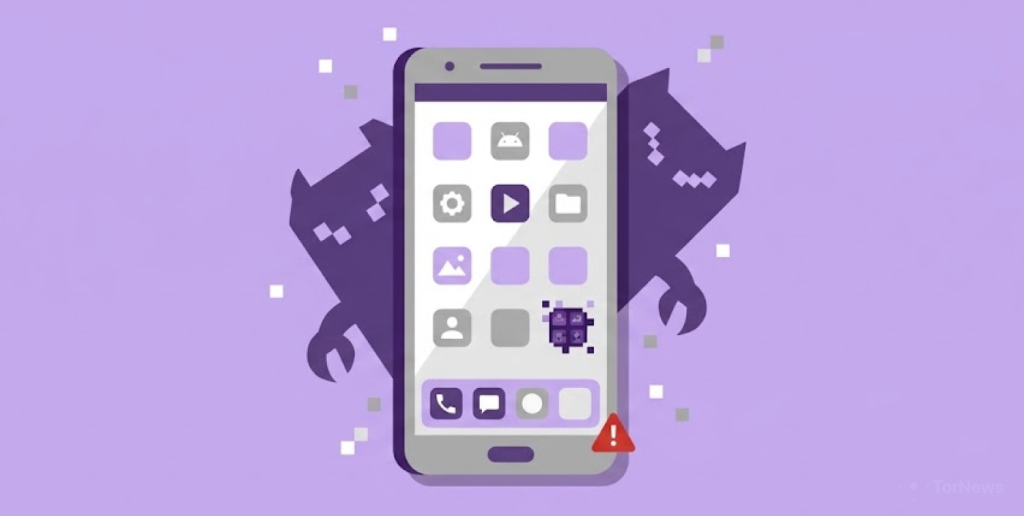
Cheap Android smartphones are leaving factories with dangerous malicious software built directly into their core system code. The preinstalled threat targets low-cost mobile devices built on MediaTek chips across several budget brands. Cybersecurity analysts track this malicious operation under the name Midnight Mimosa.
The concealed software functions with privileged account access, granting remote users the power to discreetly control infected devices. Malicious operators exploit this hidden access to deploy applications, execute ad fraud activities, and convert the devices of users into proxies. However, scientists caution that average customers are unable to tackle the problem via normal functions of their devices.
How System Privilege Access Enables Secret Control
The preinstalled malicious file hides inside the main Android system partition as a basic software service. Operating at this deep system level gives the file complete authority over device settings without asking the user. As a result, the software gains access to personal text messages, phone notifications, and accessibility controls.
The background program regularly contacts remote command servers to download fresh instruction files. After reading these instructions, the program installs or removes a rotating list of secondary software packages.
In addition, the secret code disables the official app store temporarily during fresh software updates. Turning off store protection allows the program to bypass safety checks before running harmful scripts.
Generating Unlawful Revenue Through Ad Fraud and Proxies
The operators created this complex system mainly to earn illicit money through fraud activities. Secondary helper programs run hidden ad windows in the background to harvest fraudulent ad clicks automatically. Furthermore, these hidden programs bundle proxy software that routes foreign internet traffic through personal mobile connections.
Turning private phones into proxy relay nodes allows cybercriminals to hide their location during web attacks. The infected devices effectively join massive networks of compromised gadgets controlled by remote actors.
Therefore, innocent phone owners unknowingly share their local internet connections with unknown web users. The bad actors also gather detailed device specifications and lists of installed programs to sell online.
Store App Infections and Global Device Distribution
The malicious operation penetrated beyond the settings of devices into public marketplaces of apps. Researchers discovered thirteen types of software that linked to the same command server in the official download stores. The store apps offered some real features such as weather updates, document scanning, and recovery of messages. The malicious software worked silently in the background, generating ads as the customers used their phones normally.
Thousands of infected devices are now working all over the world in more than 150 countries. The largest number of detected infected phones are in Mexico, Italy, France, and the USA.
Moreover, most of the attacked devices were cheap, unbranded, or counterfeit models imitating famous brand products. The security teams said that some of the affected programs had legitimate certificates from electronic manufacturers.
Broader Supply Chain Risks and Ineffective Cleaning Methods
The very nature of this software as pre-installed indicates it was one of the major security lapses during factory production and subsequent shipping. Criminal actors could have easily inserted malicious software before third-party factories loaded the final code on physical devices. Such a supply chain breach puts the buyer in jeopardy prior to unveiling his or her new device.
Cybercriminals also use targeted phishing campaigns to steal credentials, including attacks linked to China that target US AI policy experts, as reported in China-Linked hackers target US AI policy experts in credential phishing campaign.
Moreover, an average, non-technical user will face virtually insuperable challenges when trying to clean an infected phone. This is because the code resides in deep system folders. In addition, simply pressing the factory reset function on the device does nothing to remove the virus, since the files are protected inside its central system partitions.
This means affected users must use custom software tools or flash entire system packages to erase the threat. Mobile phone producers and web marketplaces should take part in securing supply chains to protect buyers from pre-installed risks.
