-
Europol has warned that criminal networks increasingly use social media, gaming platforms, and dark web portals to manipulate and recruit minors into illegal activities.
-
Young people are being drawn into cyberattacks, drug distribution, online fraud, and money laundering, with some also exposed to extremist ideologies and online pressure campaigns.
-
Europol says digital tools have made this type of criminal recruitment easier to scale and significantly harder for law enforcement to detect.
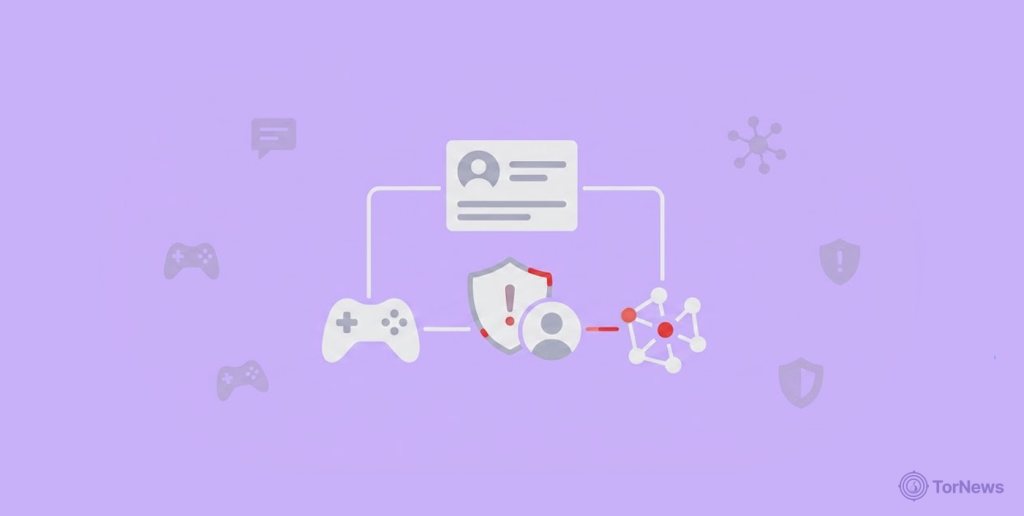
Europol has issued a formal warning that criminal organizations are escalating their use of digital platforms to target, manipulate, and recruit minors into criminal activity.
The agency identified dark web portals, social media networks, online gaming environments, and e-commerce platforms as the primary channels criminals exploit to reach young people.
Europol and EU member states have both observed a sharp increase in the use of these tools to recruit minors. The agency notes that the anonymity, broad reach, and operational efficiency these platforms offer make them particularly attractive to organized criminal networks.
Criminal Networks Target Minors Across Social Media, Gaming, and Dark Web
According to Europol, criminal groups are pulling young people into a wide range of serious offenses. These include cyberattacks, drug distribution, online fraud, and money laundering. In a growing number of cases, minors are also exposed to extremist ideologies and face sustained pressure from online communities pushing them toward radicalization.
The financial side of these operations often relies on cryptocurrency mixers. Europol’s Operation Olympia recently dismantled a major mixer, seizing 12TB of data and $29 million, disrupting a key tool for laundering criminal proceeds.
Europol reports that digital tools have fundamentally changed how criminal recruitment operates. Organized networks can now reach minors at scale, across borders, and with a level of anonymity that makes detection considerably more difficult for law enforcement.
The agency also notes that the platforms most familiar to young people, including social media apps, gaming environments, and online marketplaces, are now the same spaces where criminal recruitment frequently begins. The everyday nature of these platforms makes it harder for parents and educators to recognize when a minor has come into contact with a criminal actor.
Victims Turned Offenders as Manipulation Deepens
One of the most concerning patterns Europol has flagged is the escalation from victimization to active participation. Criminal networks often approach minors as victims first, using manipulation, grooming, or financial incentives to establish contact and build trust.
Over time, those same networks apply pressure to push minors into carrying out criminal tasks themselves. Europol warns that this progression deepens the harm to the child while simultaneously expanding the reach and operational capacity of the criminal group.
This pattern creates a dual threat. Young people suffer direct harm, and criminal organizations gain operatives who are less likely to attract immediate law enforcement scrutiny.
It also notes that exposure to extremist content online can accelerate radicalization among vulnerable minors, adding a layer of risk that extends beyond conventional organized crime into ideologically motivated activity.
Europol Calls for Coordinated Response from Parents, Schools, and Platforms
Europol says it is actively working with EU member states and international partners to strengthen intelligence sharing, increase operational support, and disrupt the criminal groups responsible. The agency’s response combines enforcement action with prevention efforts aimed directly at the communities closest to young people.
On the prevention side, Europol is supporting awareness-raising campaigns and producing guidance specifically designed for parents, educators, and community organizations. The goal is to help adults identify early warning signs and provide better support to minors who may already be in contact with criminal networks.
The agency’s warning highlights a governance challenge that extends well beyond law enforcement. Schools, families, technology platforms, and policymakers all share responsibility for creating safer digital environments for young people.
Cross-border digital services and the anonymity available on many platforms make early intervention especially difficult, but experts argue that early detection remains the most effective tool against this type of exploitation.
For parents and educators, Europol’s guidance is clear: stay informed about the platforms young people use, maintain open conversations about online risks, and report any suspicious contact or behavior to the relevant authorities without delay. Criminal networks increasingly operate where children feel most comfortable online, and awareness remains the first line of defense.
