-
An official United States government agency handed over a one-million-dollar ransom payment to a digital extortion syndicate operating under the name Kairos.
-
The threat actors utilized a pure data theft operational model that completely skipped traditional file encryption techniques.
-
Cybersecurity specialists at Ransom-ISAC successfully reconstructed the entire sequence of events by thoroughly analyzing leaked negotiation chat logs and executing advanced blockchain tracing.
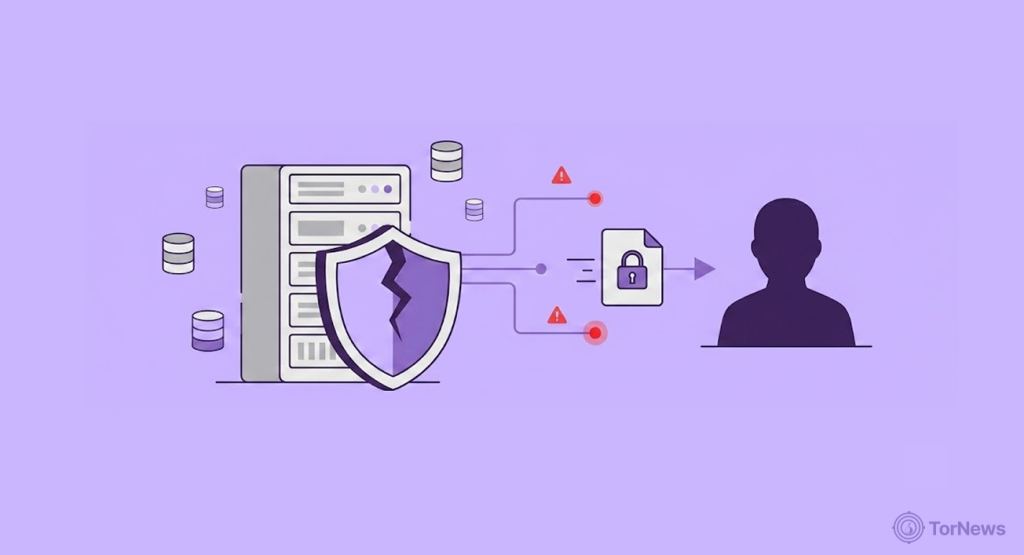
Cyber-tracking has confirmed that a United States government agency ended up paying a staggering one million dollars to a sophisticated cyber extortion outfit known as Kairos.
The malicious network intruders initially forced their way into the unnamed agency’s protected computer systems back in May last year. Within a few days after the attack, the ransomware group posted compromised sample data files and the organization’s identity on its public leak site.
The criminal group confidently asserted that they had successfully exfiltrated more than 1.6 million individual files from the government servers. This massive haul amounted to approximately two full terabytes of highly sensitive, confidential corporate information.
The hackers gave an initial payment request of three million. The agency countered it by proposing $100,000 as the payment amount. Finally, they reached a million-dollar agreement involving Bitcoin.
Security researchers at Ransom-ISAC eventually managed to piece together the entire timeline of this high-profile digital incident. The investigative team relied heavily on a combination of leaked criminal chat records and detailed cryptocurrency ledger tracking to fully understand what happened. But the forensic investigators discovered absolutely no evidence that Kairos deployed any ransomware code or file-locking tools during the breach.
The entire network operation involved the unauthorized copying and stealing of data rather than a lock-up with encryption. The criminals applied immense psychological pressure to the organization with compliance deadlines and threats of exposure in open internet forums.
How the Extortion Unfolded
The attackers broke into the government agency’s computer systems in May 2025, and they managed to steal 1.6 million files without using ransomware. Following this, they listed the agency as their victim in their public leak site.
The attackers initially demanded $3 million from the government agency. This amount was reduced to $100,000 in the counteroffer made by the agency. The final settlement reached $1 million.
The victim paid in Bitcoin. The transaction went to wallet address bc1q0zkms9vuhp767q6yp3t4tj8fkellxz5h3dxgvl. This wallet likely belongs to Kairos. Blockchain tracing confirmed the payment flow.
This case reflects that some ransomware attack groups are starting to change the way they operate. Some criminals are now skipping encryption and simply using the approach of stealing data as well as threatening to reveal it.
In that way, it is hard to detect such attacks since no ransomware is involved. The same tactics are being used in India, where massive data leaks have fueled a surge in fake ID extortion scams targeting individuals.
Traditional security gear is not able to recognize such cases. Organizations must monitor for data exfiltration signs. Early detection can prevent successful extortion.
The Role of Ransom-ISAC in the Investigation
Ransom-ISAC aims at tracking ransomware and extortion groups through investigation and scrutiny of leaked data, negotiation logs, and blockchain transactions. Thus, it provides organizations with updated information about the threats emerging.
The Ransom-ISAC organization reconstructed this case on the basis of different types of data sources. Through leaked negotiation chats, the researchers defined the nature of discussions. Also, through blockchain tracing, they verified the amounts and timing of payments. As a result of the investigation, many details were revealed regarding the activities of the Kairos extortion group.
As per the information gathered, Kairos is more active in stealing data rather than in encrypting such data. This tactic has lower legal consequences. Furthermore, the attack did not hinder the operational activities of the victims that much. However, such methods bring Kairos a lot of money.
The analysis gives evidence of the fact that extortion is constantly evolving nowadays. Criminal groups like Kairos improve their ways of extortion continuously. They study victim behavior and adjust their demands accordingly. This makes them harder to predict and counter.
Organizations must adapt their defenses accordingly. They need to prepare for data theft, not just ransomware. Incident response plans should cover both scenarios; also, regular security audits can identify vulnerabilities.
Implications for Government Agencies
This case highlights vulnerabilities in government networks. Agencies hold massive amounts of sensitive data. They also face budget constraints for security. This makes them attractive targets for extortion groups.
The payment raises difficult questions. Paying ransoms encourages further attacks. It also funds criminal operations. However, agencies face pressure to protect sensitive data. Leaks can damage national security and public trust.
The agency chose to pay $1 million rather than risk exposure. This decision likely involved multiple stakeholders. Legal, security, and communications teams all weighed in. The final outcome remains controversial.
Government agencies must improve their security posture. This includes better monitoring and faster detection. Employee training reduces the risk of initial breaches. Strong access controls limit the damage when breaches occur.
The Kairos incident serves as a warning. Other government agencies should review their defenses. They should also prepare for potential extortion attempts. Proactive measures are always cheaper than ransom payments.
