-
Britain’s cyber agency says an AI-powered ransomware attack on key national services is highly likely before 2028.
-
The agency names China as the country best able to use AI against UK strategic targets.
-
Cyber chief Richard Horne says years of low spending on technology have left organisations open to attack.
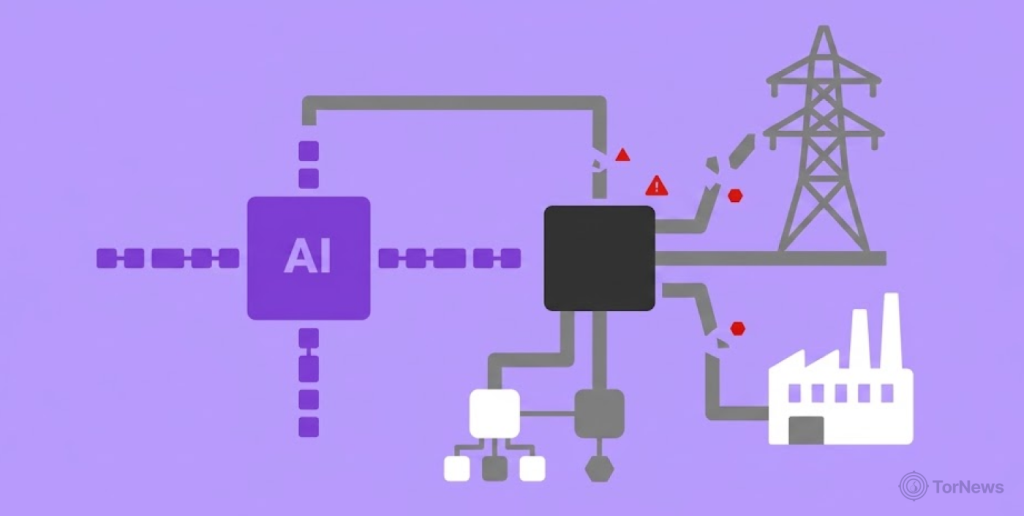
Britain’s National Cyber Security Centre (NCSC) has told the country to prepare for an AI-powered cyberattack. The target would be its critical national infrastructure, and the agency expects it within the next two years. This infrastructure covers services such as energy, transport, healthcare and food supply.
The NCSC shared the warning in its yearly State of the Cyber Nation report. It came out on November 3, 2026. The agency judged that AI-powered malware will highly likely hit UK critical infrastructure in a ransomware attack by 2028. The report also says hostile governments and cybercriminals will use AI more often. They want to make their attacks faster, bigger and more effective.
The NCSC works under the Government Communications Headquarters (GCHQ), and Richard Horne is its chief executive. It said the growing threat does not always mean attackers have built brand-new methods. Instead, AI helps them find and use weak spots that organisations have left unfixed for years.
AI Could Make Old Cyberattacks More Dangerous
According to the NCSC, AI should improve many steps of a cyberattack. These steps include finding weak systems, picking targets, building harmful software and tricking people into giving up access. A case in South Korea shows how quickly AI-assisted attacks can spread. Police say a hacker used AI to breach 60 companies in just 40 days.
This could make ransomware attacks cheaper to run. Attackers could then hit more organisations with fewer resources. Ransomware is the main attack type the report highlights. Ransomware attacks usually follow a clear pattern. Criminals break into computer systems, lock files or stop daily work, and demand payment to give access back.
The agency warned that many organisations remain exposed. They still depend on old technology and systems with known security flaws. The NCSC also pointed to the risks of outdated technology inside critical national infrastructure.
The agency’s news release repeats the same message. The assessment sets out three possible paths for AI-linked threats by 2028. The paths range from more global cyber operations to AI spreading faster than Britain can defend itself. The agency explained that these paths are real possibilities. They are not exact predictions of what will happen.
China, Russia and Iran Named in the Warning
The report names China as the country most able to use AI against Britain’s critical infrastructure. It also covers other strategic targets. Horne is expected to call Chinese cyber activity the UK’s most sophisticated and lasting challenge.
The assessment focuses on China’s work to build advanced AI tools. It suggests those tools could help China in three ways. China could spot security gaps more easily. It could also select targets and gain access to sensitive systems.
Russia and Iran also appear in the warning. Horne said Russia continues to make efforts to break into British military networks. He said Iran carries out harmful cyber operations around the world. These include actions against the UK and against people Iran sees as threats to its government. Horne’s list therefore covers three countries, not only China.
British intelligence authorities made these claims as assessments. China, Russia and Iran have repeatedly denied any role in harmful cyber operations.
The warning follows cyberattacks on supermarkets across Europe. Hackers exposed weak spots in the stores’ information technology systems. Recent incidents in France hit supermarket refrigeration systems. They showed how a cyber break-in can affect equipment that runs everyday tasks.
Cyber Chief Tells Organisations to Fix Weak Spots
Horne urged British organisations to take cybersecurity more seriously. He said years of too little investment have raised their risk of attack. He also criticised organisations for choosing cheaper technology again and again. In his view, they gave too little attention to security and resilience.
According to Horne, AI could now expose these weak spots faster than normal security habits may handle. He warned that organisations could one day have to explain what went wrong. Essential services might fail, food might vanish from shelves, and businesses might collapse. Earlier warnings had already described these risks.
The NCSC asks organisations to upgrade their technology and reduce needless internet exposure. It also wants them to install security updates and strengthen the protection they already have. The agency recommends Cyber Essentials as a starting point for wider security improvements. Cyber Essentials is the guidance the agency names for this work.
The warning makes clear that the threat reaches beyond government networks and large technology firms. Energy, transport, healthcare, food supply and other essential services could face serious harm. Each of these services relies on computer systems to run. Harm could follow if attackers gain access to the systems behind their daily work. Readers can find the full assessment and its three possible paths in the NCSC report.
For Britain, the next task is to fix its current security weaknesses. AI could soon make those gaps easier for hostile actors to use.
