-
Four men who ran a fake call centre from an apartment in Vadodara, India have been arrested.
-
The gang targeted US citizens with bogus loan approvals to steal $150–$200 each.
-
According to police testimony, these men learned their scam techniques from watching a web series.
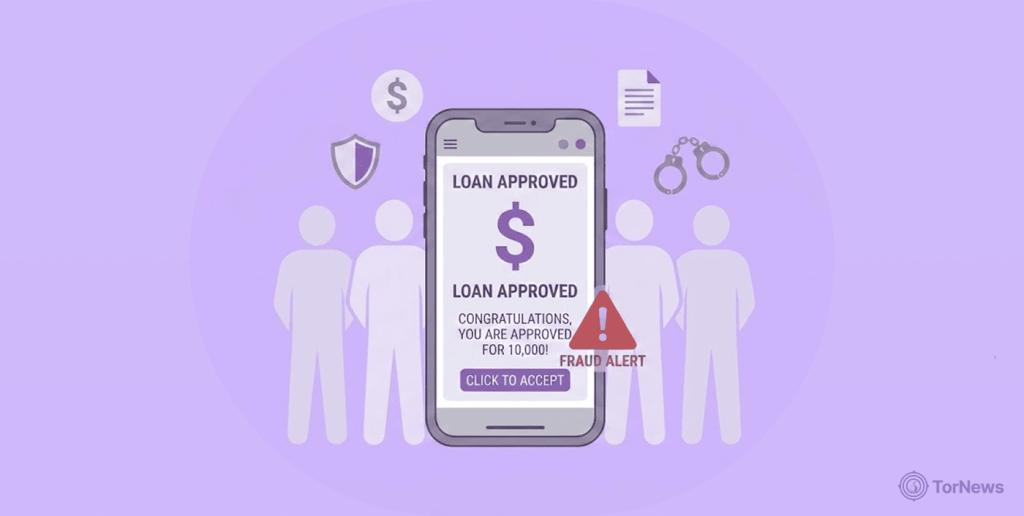
Officers from the Local Crime Branch (LCB) raided an apartment in the Race Course area on Sunday and arrested four men who ran an illegal operation using laptops and mobile phones.
The gang would call people in other countries and lie about loan approvals. The victims believed they had qualified for a loan through a company called “City Credits.”
The suspects would then charge between $150 and $200 as a processing fee. They tricked the victims into sharing details of their debit card details as well as CVV numbers. The gang used that information to collect money.
They converted part of those funds into cryptocurrency. Then routed the crypto back into regular Indian bank accounts.
A Modern Scam with Old-Fashioned Greed
Those four people arrested all live in Vadodara. Their names are Karan Lokwani (aged 32), Pankaj Jethwani (40 years), Jonathon Das (aged 32), and Alerasul Saiyad (34). According to investigators, the group appeared well educated. They spoke fluent English, which helped them sound convincing to foreign victims.
One of the accused had expertise in the stock market. Another had previous experience working in a legitimate call centre. The remaining two persons were very skilled callers with fluent English speaking abilities. Police believe the group worked together to divide these tasks. They obtained contact details of potential victims from the dark web. This gave them a steady list of foreign citizens to target.
The gang had been operating the fake call centre for just two months. Their objective? To make money very quickly. During the search, police recovered seven mobile phones, eight laptops, one fibre Wi-Fi router, and some money. The estimated value of goods recovered was approximately Rs 35 lakhs.
What Inspired the Fraud
When the police asked the guys questions about their scheme, they revealed something really surprising. The men said they got the inspiration to start the bogus call centre after watching a web series. The show depicted a similar fraud racket involving phone scams. The accused claimed they learned the entire modus operandi from the series.
That included how to talk to victims over the phone. It also showed them the process of converting illegal money into cryptocurrency. The men reportedly told investigators they just followed what they saw on screen. They refined their techniques based on the show’s plotlines.
Deputy Commissioner of Police (Zone-2) Manjita Vanjara shared more details about the group. She said Jonathan Das and Karan Lokwani were the alleged masterminds. The duo reportedly brought in and trained the other two associates. They taught them how to interact with foreign victims and carry out the scam.
What’s Next for the Accused?
Officers at the Akota police station have filed a case of cheating and are now conducting some investigations. They’re following the money trails, checking bank statements and crypto transactions. Also, the officers are checking the devices seized during the operation to know exactly how much money the criminals had earned through their fake loan scheme.
As of now, they don’t know if there are other people running the show or whether it was just the four people they arrested. This investigation is still just starting and nobody really knows how many people fell victims for this scam yet.
But one thing is clear: the gang specifically loved to target folks in the U.S. They might have also gone after people in other countries, nothing is certain for now.
The scale of US-targeted cybercrime is staggering. The Conduent data breach exposed 25 million Americans’ personal information, including 15.4 million in Texas, showing how criminals obtain the data used in scams like this.
These suspects are still in police custody and have confessed that they only wanted quick money and didn’t know they’d be caught so soon. This case shows that sometimes real-life crimes start from mimicking fictional stories.
But it’s also a pretty good sign that law enforcement isn’t sleeping on these high-tech frauds anymore. Somebody tipped off the LCB, they jumped on it quickly and squashed a two-month old scam before it got a chance to blow up.
